

What is a Pepper Powder Pneumatic Conveying Equipment? An Introduction to the Structure and Principl
Understanding the structure and operational principles of powder handling systems is crucial for industries dealing with fine powders like pepper powder. This article provides a detailed overview of pneumatic conveying equipment designed specifically for transporting such materials, highlighting its components, working mechanisms, and practical applications.
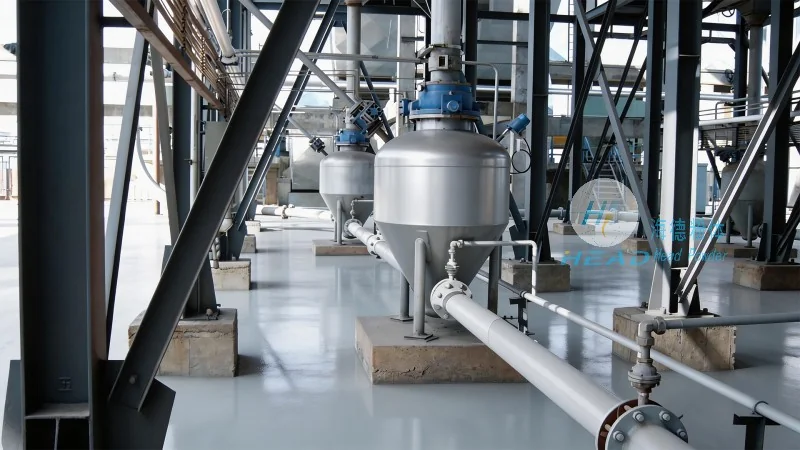
HeadPowder: A Leading Manufacturer of Powder Handling Solutions
Shandong HeadPowder Engineering Co., Ltd., based in China, specializes in the design, manufacturing, and supply of advanced powder conveying equipment. With years of experience in the industry, HeadPowder has established itself as a trusted provider of reliable and efficient solutions for various powder handling challenges. The company’s commitment to quality and innovation ensures that their products meet the highest standards of performance and durability.
Key Components of Pneumatic Conveying Systems
A typical pneumatic conveying system for pepper powder consists of several essential components that work in tandem to ensure smooth and efficient material transport. These components include the hopper, which serves as the storage and feeding unit; the conveyor itself, which can be either positive or negative pressure based on the application; the pipeline network that transports the powder; and the control system that regulates the flow and pressure. Each component plays a critical role in maintaining the integrity of the powder and preventing issues such as clogging or degradation.
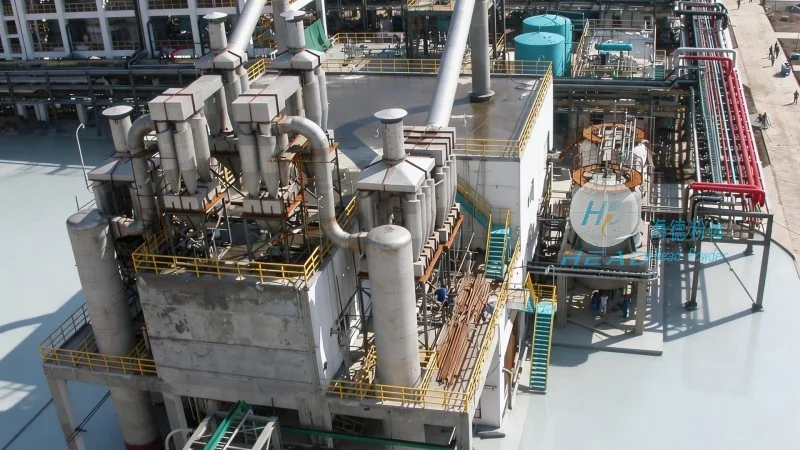
Working Principle of Pneumatic Conveying
The core principle behind pneumatic conveying is the use of air or gas to move powder particles through a pipeline. In a positive pressure system, air is forced into the conveyor, creating a pressure higher than the ambient air, which propels the powder forward. Conversely, a negative pressure system draws air and powder into the pipeline using a vacuum. For pepper powder, which is a fine and potentially abrasive material, the choice of system depends on factors such as the distance to be covered, the volume of material, and the need to maintain product quality. The system’s design must also consider the potential for static electricity buildup, as fine powders can be prone to electrostatic discharge, which may affect the powder’s flow characteristics and the equipment’s performance.
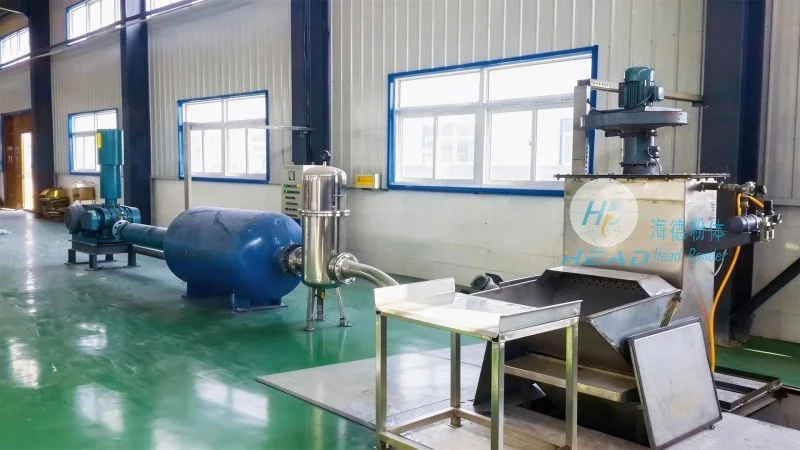
Advantages of Using Pneumatic Conveying for Pepper Powder
Compared to traditional mechanical conveying methods, pneumatic conveying offers several advantages when handling pepper powder. These include the ability to transport materials over long distances without the need for multiple transfer points, reduced risk of product contamination due to enclosed systems, and improved safety by eliminating the need for manual handling of powders. Additionally, pneumatic systems can handle a wide range of powder characteristics, from fine to coarse, and can be easily integrated with other processing equipment, such as grinding or mixing units. The flexibility of these systems also allows for adjustments in flow rates and pressure to accommodate varying production demands.
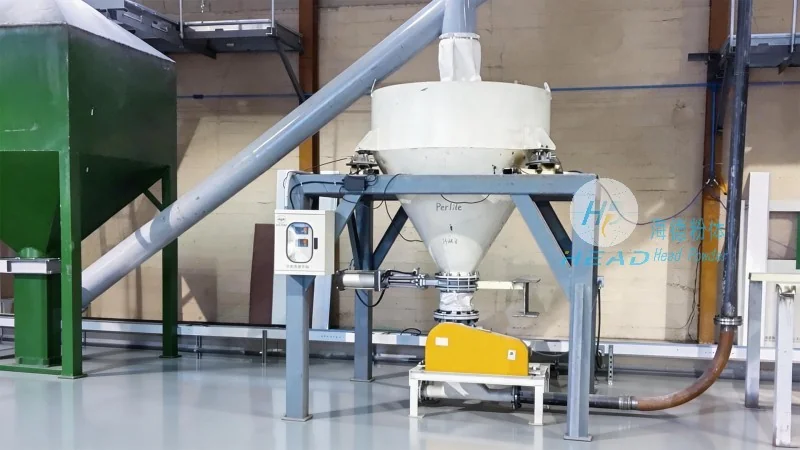
Applications in the Pepper Processing Industry
Pneumatic conveying equipment is widely used in the pepper processing industry for various stages of production. From the initial collection and storage of raw pepper to the final packaging of ground pepper, these systems play a vital role in maintaining product quality and efficiency. For example, in a pepper grinding facility, the pneumatic conveyor can transport freshly ground pepper from the grinder to the packaging line, ensuring that the product remains fresh and free from contamination. Similarly, in a spice blending operation, the system can mix different pepper varieties with other spices, achieving uniform distribution and consistent flavor profiles. The ability to handle fine powders without clogging or degradation makes pneumatic conveying an ideal choice for maintaining the quality of pepper products.
Maintenance and Operational Considerations
Proper maintenance of pneumatic conveying equipment is essential to ensure its long-term performance and reliability. Regular cleaning of the hopper, pipeline, and control system is necessary to prevent the buildup of powder residue, which can affect the system’s efficiency and cause blockages. Additionally, checking for signs of wear and tear on components such as valves, seals, and bearings is crucial to prevent equipment failure. The control system should also be monitored regularly to ensure that it is functioning correctly and that the pressure and flow rates are within the optimal range. Proper training of operators on the safe and efficient operation of the system is also important to minimize downtime and maximize productivity.