

What is Wheat Bran Pneumatic Conveying Equipment? An Introduction to the Structure and Principle of
Wheat bran, a byproduct of wheat milling, is widely used in animal feed, food supplements, and other industrial applications. Efficient and hygienic handling of wheat bran is crucial for maintaining product quality and operational efficiency. Pneumatic conveying equipment has emerged as a preferred solution for transporting wheat bran and other fine powders due to its effectiveness in minimizing dust, ensuring product integrity, and enabling automated material transfer. This article provides an in-depth look at wheat bran pneumatic conveying equipment, exploring its structure, working principles, and key advantages.
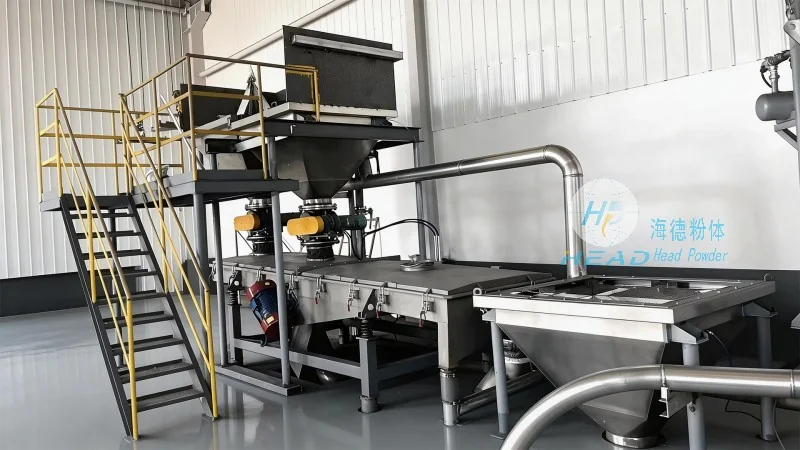
HeadPowder, a leading manufacturer based in Shandong, China, specializes in designing and producing advanced pneumatic conveying systems tailored to the unique needs of wheat bran and other powder materials. With a strong commitment to quality and innovation, HeadPowder Engineering Co., Ltd. has established itself as a trusted partner in the powder handling industry, delivering reliable and efficient solutions for various applications.
Introduction to Wheat Bran Pneumatic Conveying Equipment
Pneumatic conveying, also known as air conveying, is a method of transporting bulk materials using a stream of air. In the context of wheat bran, this technology involves using compressed air to move the fine powder from a source to a destination. The equipment is designed to handle the specific characteristics of wheat bran, such as its particle size, moisture content, and flowability, ensuring optimal performance and minimal product degradation.
Key Components of the Pneumatic Conveying System
The pneumatic conveying system for wheat bran typically consists of several critical components, each playing a vital role in the overall operation. These components include:
1. Feed Hopper or Inlet: The feed hopper is the initial point where wheat bran is loaded into the system. It is designed to hold a sufficient quantity of material and provide a controlled flow into the conveying line. The hopper may include a gate or valve to regulate the discharge of the material, ensuring a steady supply to the rest of the system.
2. Air Supply System: This component generates the necessary compressed air to create the conveying stream. It includes an air compressor, filters, and regulators to ensure the air is clean and at the appropriate pressure and volume. The air supply system is crucial for maintaining the velocity of the air stream, which directly impacts the conveying efficiency.
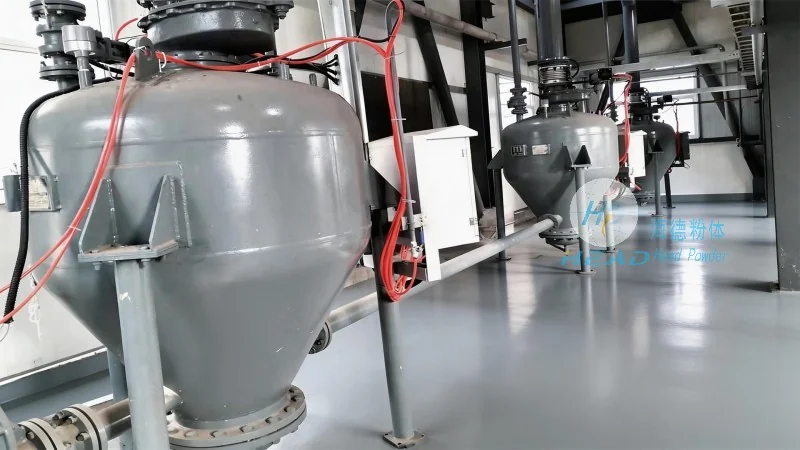
3. Conveying Pipeline: The pipeline is the main channel through which the wheat bran is transported. It is usually made of stainless steel or other corrosion-resistant materials to prevent contamination and ensure durability. The pipeline may include bends, elbows, and other fittings to direct the material along the desired path. The design of the pipeline, including its diameter and length, is optimized to minimize pressure drop and energy consumption.
4. Separation and Collection System: At the receiving end of the conveying line, the separation system is used to separate the wheat bran from the air stream. This typically involves a cyclone separator or a bag filter, which captures the powder and allows the air to be discharged back into the system or released to the atmosphere. The collected wheat bran is then transferred to a storage bin or processing unit.
Working Principle of the Equipment
The operation of wheat bran pneumatic conveying equipment follows a systematic process. Initially, wheat bran is fed into the hopper from a storage silo or a processing line. The material then flows into the conveying pipeline under the influence of the air stream generated by the compressor. As the air and wheat bran move through the pipeline, the air velocity is maintained at a level sufficient to keep the powder suspended and transported to the destination.
Upon reaching the receiving end, the air stream enters the separation system. The cyclone separator uses centrifugal force to separate the wheat bran from the air, causing the powder to fall to the bottom of the separator and be collected in a hopper. The air, now relatively clean, is either recirculated back to the compressor or released through a filter. This cycle continues as long as material is being fed into the system.
Advantages of Using Pneumatic Conveying for Wheat Bran
Employing pneumatic conveying for wheat bran offers several significant advantages over traditional methods such as belt conveyors or manual handling. These benefits include:
1. Hygienic and Dust-Free Operation: Pneumatic conveying systems are enclosed, preventing dust from escaping into the environment and minimizing the risk of contamination. This is particularly important for wheat bran, which is used in food and animal feed applications where product purity is paramount.
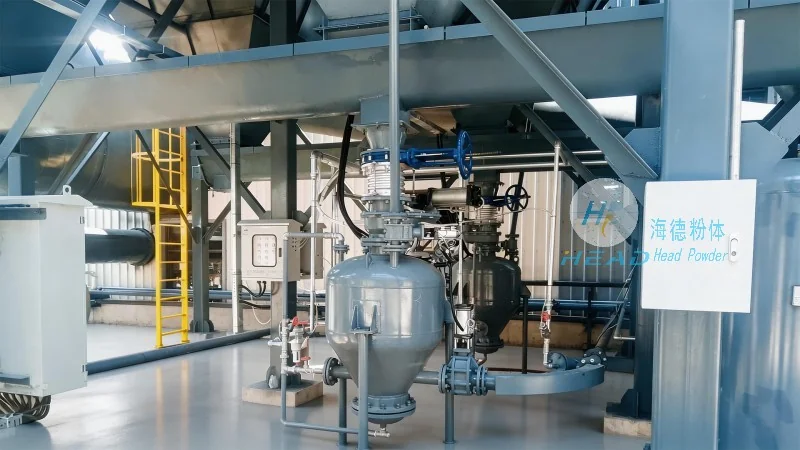
2. High Efficiency and Capacity: The system can handle large volumes of wheat bran at high speeds, reducing the time and labor required for material transfer. This leads to increased productivity and lower operational costs.
3. Minimal Product Degradation: The enclosed design and controlled air flow prevent the wheat bran from being exposed to external elements, such as moisture or contaminants, which can affect its quality and nutritional value.
4. Versatility and Flexibility: Pneumatic conveying systems can be easily adapted to different layouts and production requirements. They can transport materials over long distances and through complex routes, making them suitable for various industrial settings.
Application in the Industry
Wheat bran pneumatic conveying equipment is widely used in the agricultural and food processing industries. In animal feed production, it is used to transport wheat bran from storage silos to feed mills or mixing plants. In the food industry, it is employed to move wheat bran for use in baked goods, nutritional supplements, and other food products. The equipment's ability to handle fine powders efficiently makes it an ideal choice for these applications, ensuring consistent quality and reliable operation.
HeadPowder Engineering Co., Ltd., with its headquarters in Shandong, China, offers customized pneumatic conveying solutions tailored to the specific requirements of wheat bran handling. The company's expertise in material handling and engineering allows it to design systems that optimize performance, reduce energy consumption, and enhance overall operational efficiency. By leveraging advanced technology and rigorous quality control, HeadPowder provides reliable and durable equipment that meets the highest industry standards.