

What is Desulfurization Gypsum Pneumatic Conveying Equipment? Introduction to the Structure and Work
Desulfurization gypsum, a byproduct of flue gas desulfurization in power plants and industrial boilers, is widely used in construction materials, agricultural applications, and other industries. The efficient and reliable transportation of this fine powder is crucial for industrial processes. This article introduces the desulfurization gypsum pneumatic conveying equipment, detailing its structure and working principle to help readers understand this essential powder handling technology.
Understanding Desulfurization Gypsum and Its Transportation Needs
Desulfurization gypsum, also known as FGD gypsum, is produced when flue gas from coal-fired or other fossil fuel power plants is treated with limestone or lime to remove sulfur dioxide. This process results in a fine, dry powder that is often used as a raw material in the production of gypsum boards, cement, and other building materials. Due to its fine particle size and potential for dust generation, the transportation of desulfurization gypsum requires specialized equipment to ensure safety, efficiency, and compliance with environmental regulations.
The Structure and Components of Desulfurization Gypsum Pneumatic Conveying Systems
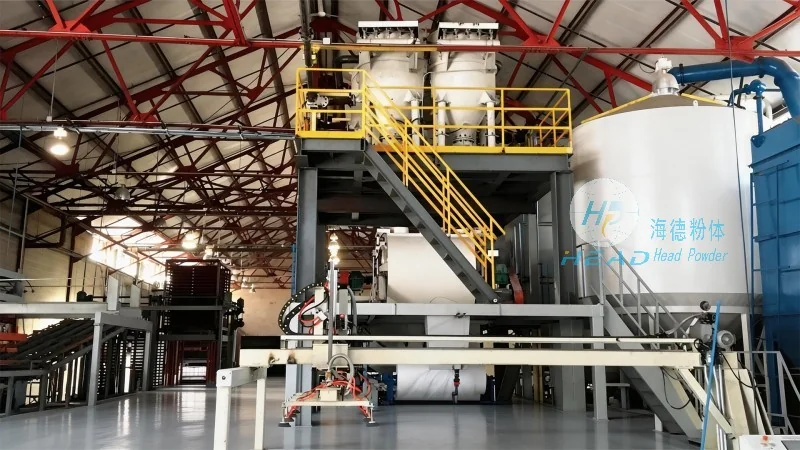
Desulfurization gypsum pneumatic conveying systems are designed to transport fine powders like desulfurization gypsum through a pipeline using air or gas as the conveying medium. The core components of such a system typically include a material feeder, a blower or compressor, a pipeline network, a dust collector or filter system, and a discharge device. Each component plays a critical role in the overall operation of the system.
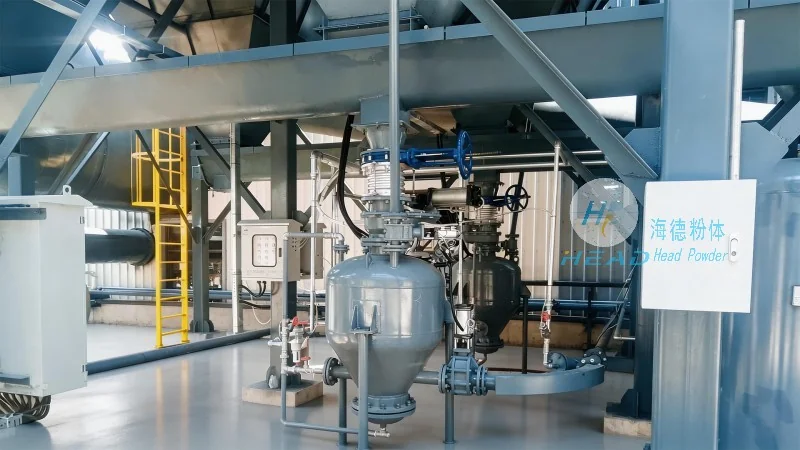
The material feeder is responsible for feeding the desulfurization gypsum into the conveying pipeline at a controlled rate. This component ensures a consistent flow of material, preventing blockages or uneven delivery. The blower or compressor provides the necessary air pressure to move the powder through the pipeline. The pipeline network, usually made of stainless steel or other corrosion-resistant materials, transports the gypsum from the source to the destination. A dust collector or filter system is integrated to capture any fine particles that may escape the pipeline, ensuring compliance with air quality standards and protecting the environment. Finally, the discharge device, such as a rotary valve or a silo, controls the release of the gypsum at the end of the pipeline.
Working Principle of Pneumatic Conveying for Desulfurization Gypsum
The working principle of a desulfurization gypsum pneumatic conveying system involves creating a pressure differential between the inlet and outlet of the pipeline. The blower or compressor generates high-pressure air, which is introduced into the pipeline at the material feeder end. As the air flows through the pipeline, it entrains the desulfurization gypsum particles, forming a slurry-like mixture. This mixture is then transported through the pipeline to the discharge point. At the discharge end, the air and powder separate, with the powder being collected and the air being filtered or released. The system operates continuously, with the air flow maintaining the movement of the powder and preventing clogging.
Advantages of Using Pneumatic Conveying for Desulfurization Gypsum
Compared to traditional methods like belt conveyors or bucket elevators, pneumatic conveying offers several advantages for transporting desulfurization gypsum. First, it is highly efficient in moving fine powders over long distances without the need for multiple transfer points. Second, it minimizes dust generation and contamination, as the material is contained within the pipeline. Third, the system is flexible and can be easily adjusted to handle varying material flow rates. Fourth, it reduces labor costs and maintenance requirements, as there are fewer moving parts compared to mechanical conveyors. Finally, pneumatic conveying systems are more hygienic and suitable for applications where product purity is critical.
Applications of Desulfurization Gypsum Pneumatic Conveying Equipment
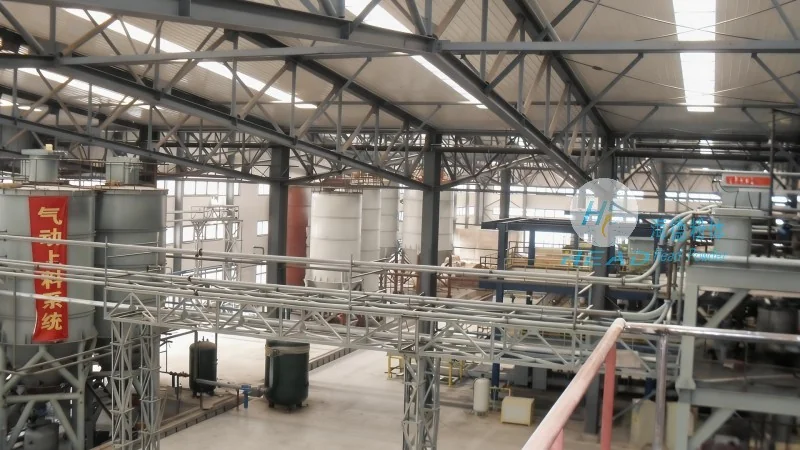
Desulfurization gypsum pneumatic conveying equipment is widely used in various industries. In the construction industry, it is used to transport gypsum to manufacturing plants for the production of gypsum boards and other building materials. In the agricultural sector, it can be used as a soil amendment or fertilizer, requiring efficient transportation to farms and processing facilities. Additionally, in the chemical and industrial sectors, it may be used as a raw material for other products, necessitating reliable and consistent delivery. The versatility of pneumatic conveying systems makes them suitable for a wide range of applications where fine powder transportation is required.
Conclusion and Company Information
Desulfurization gypsum pneumatic conveying equipment is a critical component in the efficient handling of fine powders in industrial applications. By understanding its structure and working principle, industries can optimize their processes, reduce costs, and ensure compliance with environmental regulations. Shandong HeadPowder Engineering Co., Ltd., a leading manufacturer of powder handling equipment, specializes in designing and manufacturing high-quality pneumatic conveying systems tailored to the needs of desulfurization gypsum and other fine powders. With a focus on innovation and customer satisfaction, the company provides reliable solutions for industries seeking efficient and sustainable powder transportation. Located in Shandong, China, HeadPowder Engineering Co., Ltd. serves clients globally, delivering advanced technology and expert support to meet the evolving demands of the powder handling industry.