

Working Principle and Characteristics of Pneumatic Conveying for Slurry and Sand Materials
Shandong HeadPowder Engineering Co., Ltd., a leading enterprise based in Shandong, China, specializes in the design, manufacturing, and application of pneumatic conveying systems tailored for slurry and sand materials. This article delves into the fundamental working principles and key characteristics of such systems, providing a comprehensive overview for industry professionals and potential clients.
The Working Principle of Pneumatic Conveying for Slurry and Sand Materials
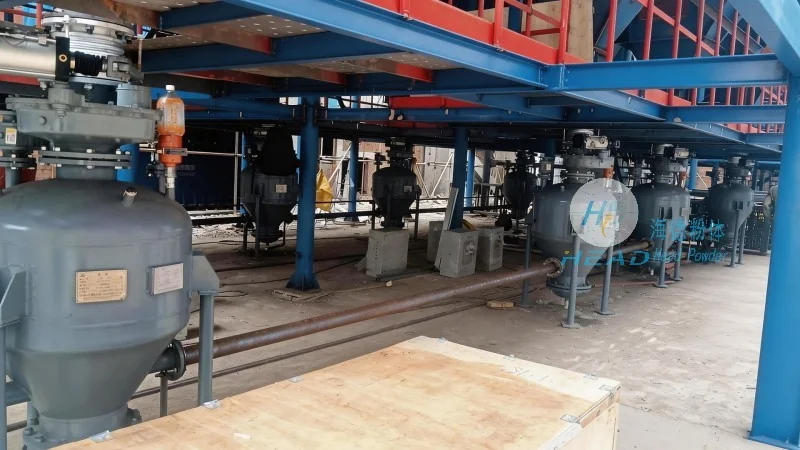
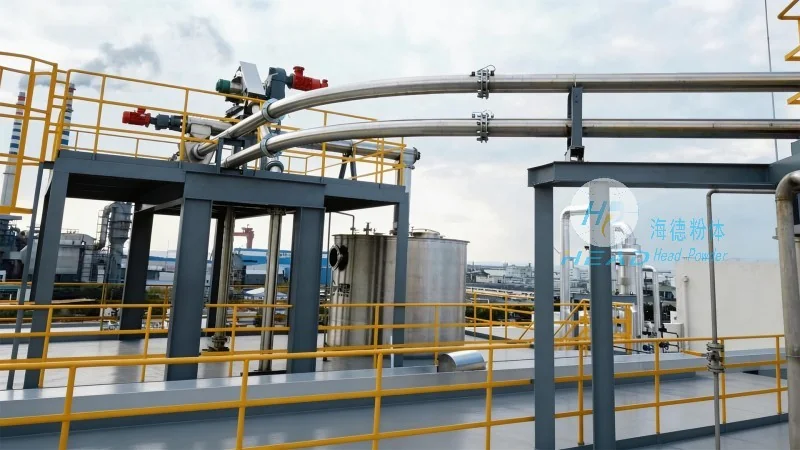
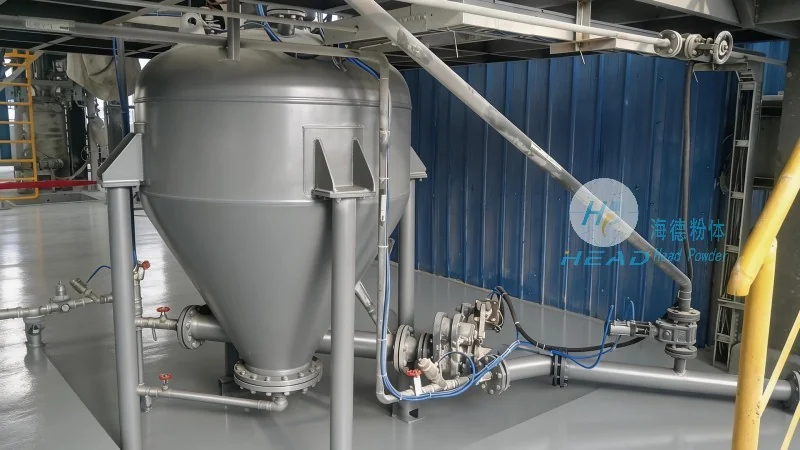
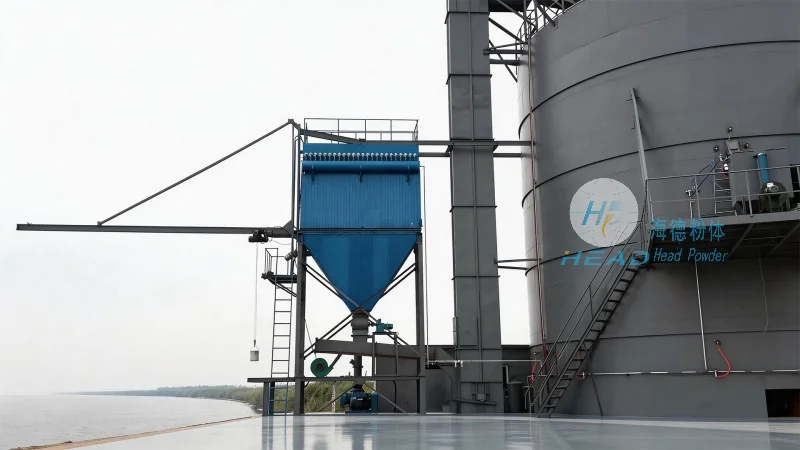
Pneumatic conveying operates by utilizing a gas stream, typically air, to transport solid particles through a pipeline. The process can be categorized into two main types: pressure and vacuum systems. In pressure systems, compressed air is introduced at the inlet, creating a high-pressure environment that propels the material forward. For slurry and sand materials, specialized equipment such as rotary feeders or screw conveyors is used to introduce the material into the pipeline, ensuring a consistent feed rate. The gas flow then carries the particles through the pipeline, with the velocity of the air being critical to maintain particle suspension and prevent deposition or blockages. At the discharge end, a separator or cyclone separates the material from the air, allowing the product to be collected while the air is either recirculated or discharged. Vacuum systems, on the other hand, use a vacuum pump to create a low-pressure environment, drawing the material from the source and pulling it through the pipeline. This method is often preferred for long-distance or horizontal/vertical combinations, as it can handle more complex layouts without the need for high-pressure air.
Key Characteristics of Pneumatic Conveying Systems for Slurry and Sand Materials
When applied to slurry and sand materials, pneumatic conveying systems exhibit several distinct advantages that make them ideal for various industrial applications. Firstly, they offer a high degree of efficiency and flexibility, enabling continuous, unattended operation over long distances. The absence of mechanical components in direct contact with the material reduces wear and tear, extending the service life of the equipment. This is particularly beneficial for abrasive materials like sand, which can quickly damage traditional belt or screw conveyors. Secondly, pneumatic conveying provides excellent control over the material flow, allowing for precise regulation of feed rates and discharge points. This level of control is crucial in processes where material consistency and uniformity are critical, such as in cement production or mineral processing. Additionally, the system is inherently clean and hygienic, as it minimizes dust generation and contamination, which is essential in food processing or pharmaceutical industries where product purity is paramount. Another notable characteristic is the ability to handle a wide range of particle sizes and moisture contents, making it versatile for diverse slurry and sand applications. The system can accommodate both dry and wet materials, with the design of the feeders and separators adjusted to suit the specific properties of the material. Furthermore, pneumatic conveying systems are relatively compact and can be integrated into existing facilities with minimal modifications, reducing installation costs and time. This adaptability is a significant advantage for companies looking to upgrade or expand their material handling capabilities without major infrastructure changes.