Working Principle and Features of Pneumatic Conveying for Powder Tank Truck Material Transport
Release time:2026-09-18 06:01:25
name of the company:Shandong Headpowder Engineering Co., Ltd.
telephone:156-6277-7102
contacts:Zhang manager
Pneumatic conveying technology plays a pivotal role in the efficient and reliable transport of bulk materials, particularly within the context of powder tank trucks. This method leverages the power of air to move materials from source to destination, offering a versatile solution that addresses the challenges of handling fine powders and other bulk solids. Understanding the working principle and distinctive features of such systems is essential for industries that rely on consistent and hygienic material transport, as it directly impacts operational efficiency and product quality.
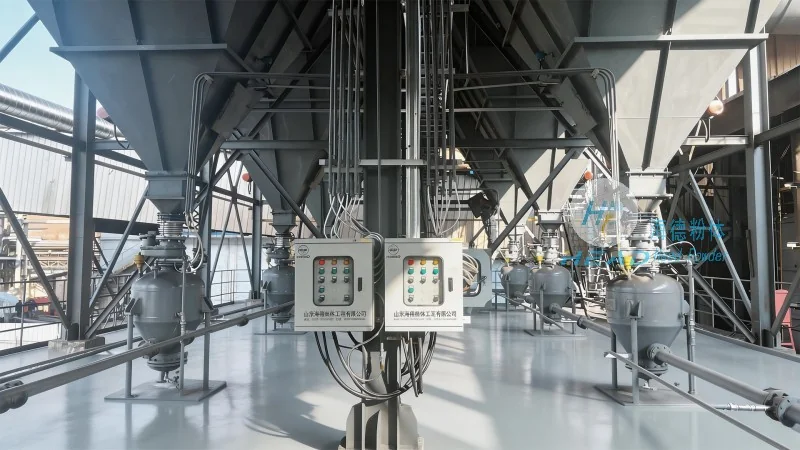
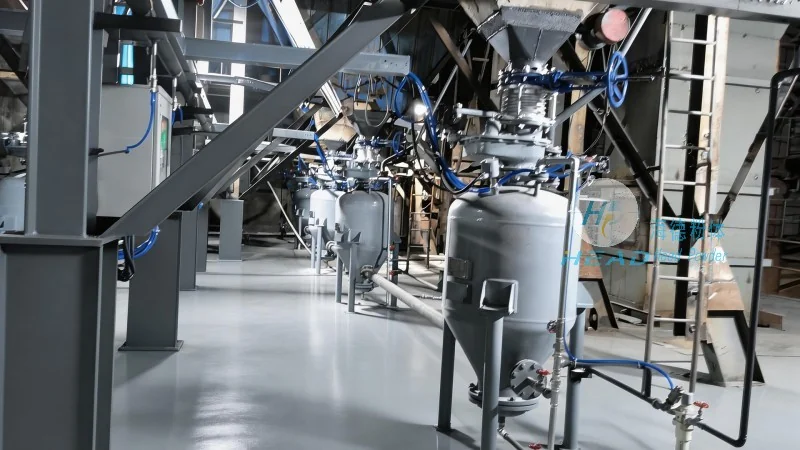
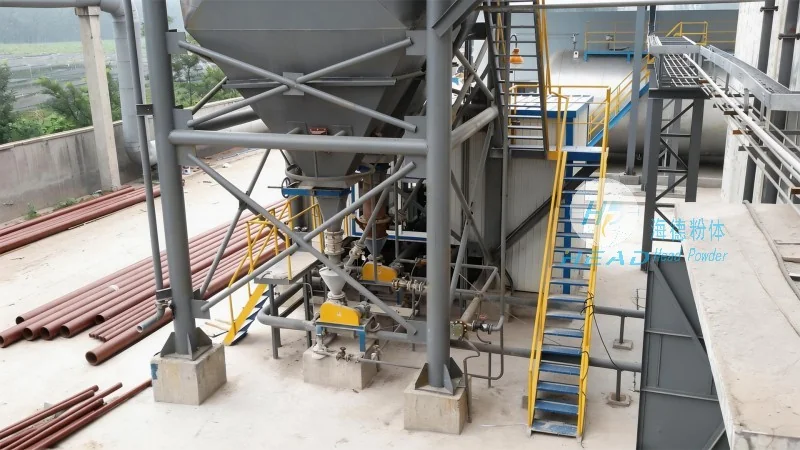
Working Principle of Pneumatic Conveying in Powder Tank Trucks
The fundamental working principle of pneumatic conveying in powder tank trucks revolves around the creation of a pressure differential to facilitate material movement. Typically, the system operates by utilizing a fan or blower to generate airflow within a pipeline. The material is then drawn or pushed through the pipeline by this air stream, depending on the system design. In positive pressure systems, the fan pushes air into the tank truck, creating a higher pressure inside the truck compared to the ambient environment, which forces the material to move. Conversely, in negative pressure systems, the fan draws air out of the truck, creating a vacuum that pulls the material in. The choice between these modes is influenced by factors such as material properties, particle size, and the distance to be covered. For powder tank trucks, positive pressure systems are often preferred due to their ability to handle a wider range of materials and maintain stable flow rates, even with varying material characteristics.
Key Features and Advantages of Pneumatic Conveying Systems
Pneumatic conveying systems used in powder tank trucks are characterized by several key features that enhance their performance and applicability. Firstly, the system provides high efficiency in material transport, capable of moving large volumes of material over significant distances with minimal energy consumption. This efficiency is achieved through the direct transfer of material via air, eliminating the need for intermediate storage or manual handling. Secondly, the method offers a clean and hygienic approach to material handling, which is critical in industries like food processing, pharmaceuticals, and chemicals where contamination control is non-negotiable. The enclosed pipeline system prevents dust and particles from escaping into the environment, maintaining a safe and compliant operational environment. Thirdly, the system is highly adaptable, allowing for the conveyance of diverse materials, including fine powders, granules, and even bulk solids with varying flow characteristics. This adaptability makes the system suitable for a wide array of industrial applications, from cement and mining to agricultural products. Fourthly, pneumatic conveying reduces the risk of material degradation compared to traditional methods like belt conveyors or manual handling. The absence of excessive friction or impact during transport minimizes the breakdown of particles, preserving the integrity and quality of the material being transported.




