

Operating Process and Working Principle of Fine Powder Pneumatic Conveying Equipment
HeadPowder, a leading manufacturer based in Shandong, China, specializes in the design, production, and supply of advanced pneumatic conveying systems for fine powders. The company's products are engineered to handle delicate and high-value materials with precision and efficiency. This article provides a detailed overview of the operating process and working principles of fine powder pneumatic conveying equipment, highlighting key components, operational steps, and the technology behind effective material transport.
Key Components of Pneumatic Conveying Systems
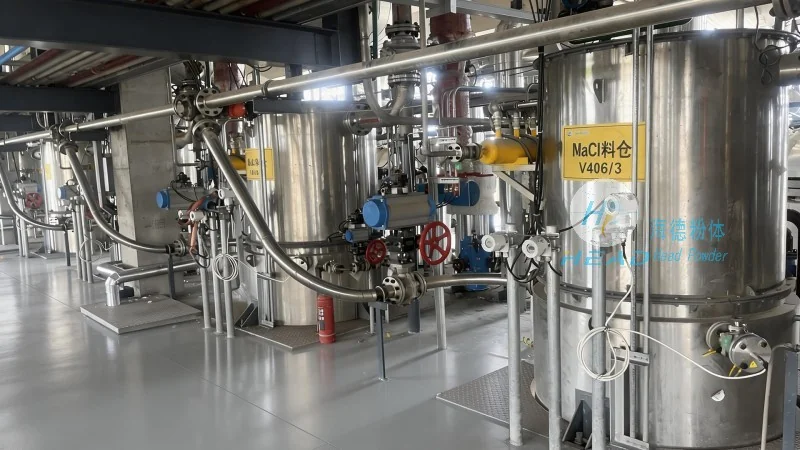
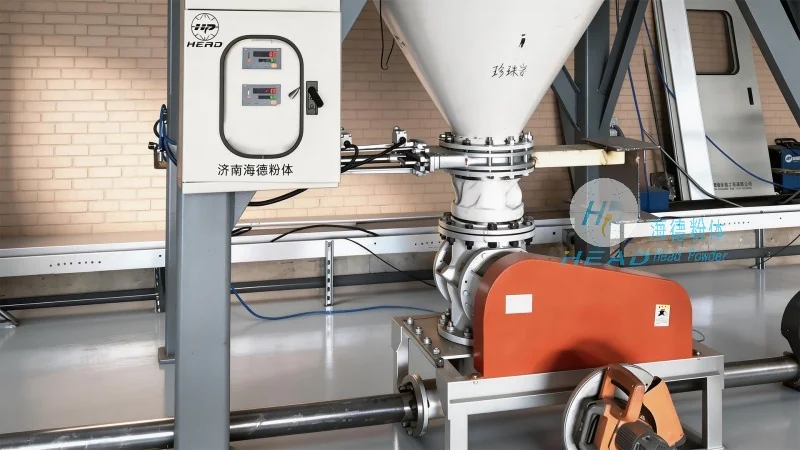
The core components of a fine powder pneumatic conveying system include the material hopper, feeder, air compressor, conveying line, and receiver. Each component plays a critical role in ensuring smooth and reliable material transport. The material hopper stores the fine powder, while the feeder regulates the flow rate to maintain consistent pressure and flow within the system. The air compressor generates the necessary air pressure to move the powder through the conveying line. The conveying line, typically made of stainless steel or other corrosion-resistant materials, ensures minimal material loss and contamination. The receiver collects the conveyed powder and can be equipped with dust collection systems to maintain air quality and comply with environmental regulations.
Working Principle of Pneumatic Conveying
The working principle of fine powder pneumatic conveying involves the use of compressed air to transport dry powders in a sealed system. When the feeder releases the fine powder into the conveying line, the compressed air from the air compressor creates a pressure differential that propels the powder particles forward. The air velocity within the line must be sufficient to overcome the gravitational forces and frictional resistance of the powder, ensuring stable and continuous transport. The system operates under negative pressure or positive pressure, depending on the application requirements. Negative pressure systems draw the powder from the hopper into the line, while positive pressure systems push the powder from the hopper to the receiver. This dual approach allows for flexibility in handling different types of fine powders and system configurations.
Operating Process: Step-by-Step Guide
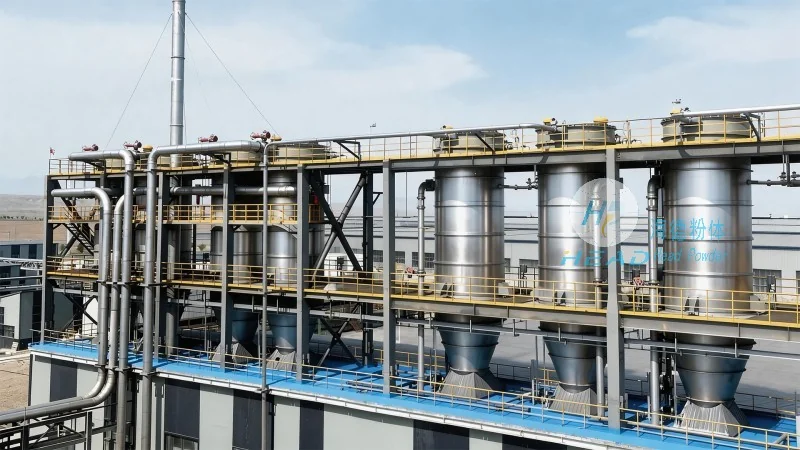
The operation of fine powder pneumatic conveying equipment follows a systematic process to ensure optimal performance and material handling. The first step involves preparing the system by checking the air compressor, ensuring the correct pressure settings, and verifying the integrity of the conveying line and components. Next, the material hopper is filled with the fine powder, and the feeder is adjusted to the desired flow rate. The air compressor is then activated, and the system is started. The fine powder is released from the hopper into the conveying line, where it is transported to the receiver under the pressure of the compressed air. During operation, the system monitors parameters such as pressure, flow rate, and temperature to maintain consistent performance. If any issues arise, such as blockages or pressure drops, the system can automatically detect and alert operators, allowing for quick troubleshooting and maintenance. The process concludes when the material is fully transferred to the receiver, and the system is shut down and cleaned as needed.
Advantages of Fine Powder Pneumatic Conveying
Fine powder pneumatic conveying offers several advantages over traditional mechanical conveying methods. It provides a dust-free and hygienic environment, which is crucial for handling food, pharmaceutical, and other sensitive materials. The sealed system minimizes material contamination and loss, ensuring high product quality and purity. Additionally, the technology allows for flexible system configurations, enabling the transport of powders over long distances and between different locations without the need for intermediate storage or handling. The system also reduces labor costs and operational downtime by automating the material transport process. Furthermore, fine powder pneumatic conveying is energy-efficient, as the compressed air can be recycled and reused within the system, reducing overall energy consumption.
Applications and Industries
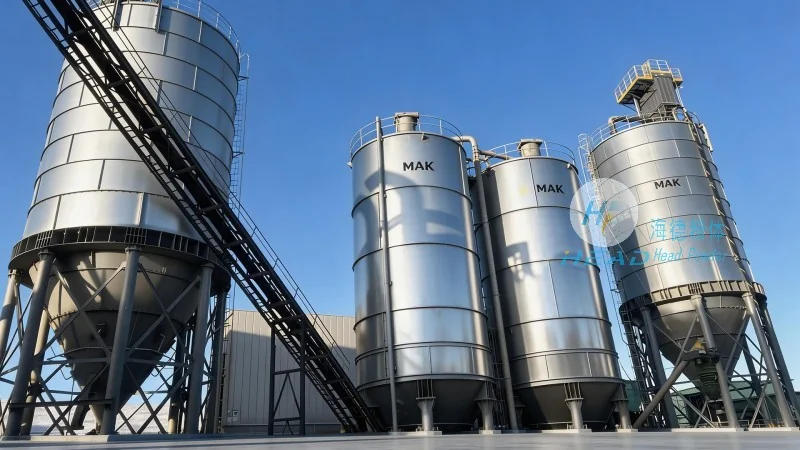
Fine powder pneumatic conveying equipment is widely used in various industries, including chemical, pharmaceutical, food, and mining. In the chemical industry, it is used to transport powders such as pigments, catalysts, and additives. In the pharmaceutical industry, it is essential for handling active pharmaceutical ingredients (APIs) and excipients, ensuring compliance with stringent quality and safety standards. The food industry utilizes pneumatic conveying for transporting powders like flour, sugar, and spices, maintaining food safety and hygiene. In the mining industry, it is used to transport ore powders and other minerals from processing plants to storage facilities. The versatility of fine powder pneumatic conveying makes it a preferred choice for industries that require efficient, clean, and reliable material transport solutions.
Maintenance and Troubleshooting
Proper maintenance is essential to ensure the longevity and efficiency of fine powder pneumatic conveying equipment. Regular checks of the air compressor, including oil levels and filter changes, are necessary to maintain optimal performance. The conveying line and components should be inspected for signs of wear, corrosion, or blockages. The feeder and hopper should be cleaned regularly to prevent material buildup and ensure consistent flow. If the system experiences issues such as pressure drops or blockages, troubleshooting steps should be followed. These may include checking for clogs in the conveying line, verifying the air compressor pressure, and adjusting the feeder flow rate. In some cases, professional maintenance services may be required to address more complex issues. By following a regular maintenance schedule and addressing problems promptly, the system can operate efficiently and minimize downtime.
Conclusion
Fine powder pneumatic conveying equipment, as provided by Shandong HeadPowder Engineering Co., Ltd., offers a reliable and efficient solution for transporting delicate and high-value materials. The operating process involves a series of steps and components that work together to ensure consistent and clean material transport. The technology provides numerous advantages, including dust-free operation, minimal contamination, and flexibility in system design. With proper maintenance and operation, fine powder pneumatic conveying systems can meet the demands of various industries, ensuring high product quality and operational efficiency. HeadPowder's commitment to quality and innovation makes their equipment a trusted choice for businesses seeking advanced material handling solutions.