

[DTitle]Design Considerations for a Coke Powder Pneumatic Conveying System
Shandong HeadPowder Engineering Co., Ltd., a professional engineering firm based in Shandong, China, specializes in the design and implementation of advanced pneumatic conveying systems for industrial applications, with a particular focus on coke powder handling. The company's expertise lies in creating customized solutions that address the unique challenges associated with transporting fine coke powder efficiently and safely.
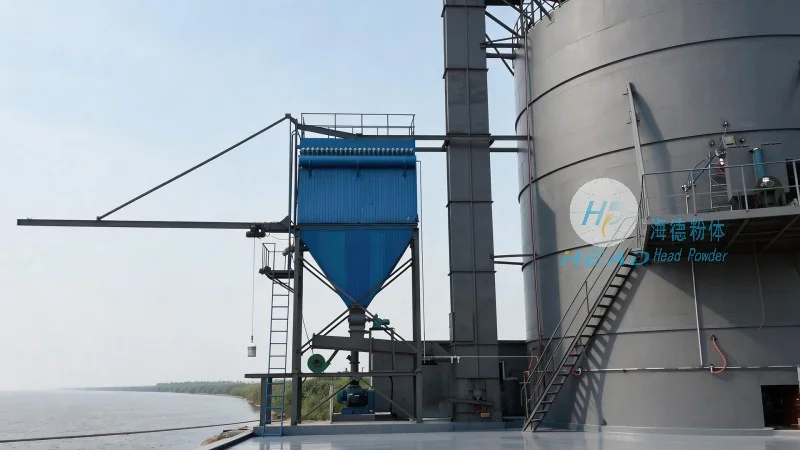
Key Design Considerations for Coke Powder Pneumatic Conveying Systems
When designing a coke powder pneumatic conveying system, several critical factors must be carefully evaluated to ensure optimal performance, reliability, and cost-effectiveness. These considerations span system selection, material selection, and operational parameters, all of which directly impact the system's efficiency and longevity.
System Selection and Configuration
The first step in designing a coke powder pneumatic conveying system involves selecting the appropriate system type—either a positive pressure or negative pressure system—based on the specific application requirements. Positive pressure systems, which use a blower to force air and material through the pipeline, are commonly preferred for long-distance or high-volume transport due to their ability to handle abrasive materials like coke powder without excessive wear. Negative pressure systems, on the other hand, are often used for short-distance or low-volume applications where dust containment is a priority. The choice of system type significantly influences the overall design, including pipeline layout, equipment sizing, and maintenance needs.
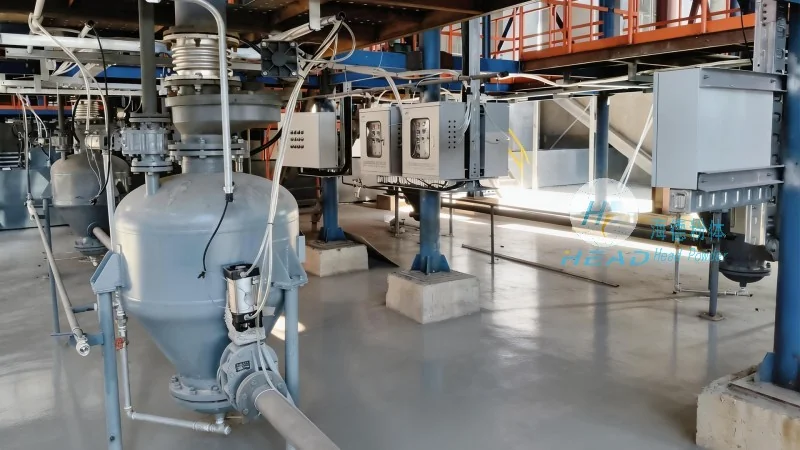
Pipeline Design and Material Selection
For coke powder pneumatic conveying systems, the pipeline design is crucial to prevent material buildup, corrosion, and wear. Stainless steel or high-grade alloy pipes are typically recommended due to their resistance to corrosion and abrasion from coke powder particles. The pipeline diameter is another critical factor, as it must be sized to accommodate the required flow rate while minimizing pressure drop. Properly sized and supported pipelines ensure smooth material flow and reduce energy consumption. Additionally, the use of bends, elbows, and other fittings must be minimized to avoid material accumulation and pressure losses. The design should also incorporate features such as cleaning ports and inspection points to facilitate maintenance and ensure system integrity.
Pressure Control and Airflow Management
Effective pressure control is essential for maintaining consistent material flow and preventing system overload. The blower or compressor used in the system must be sized to provide sufficient airflow and pressure to transport the coke powder at the desired velocity. The velocity of the air in the pipeline is a key parameter, as it must be high enough to prevent material settling but low enough to avoid excessive wear on the pipeline and equipment. Proper airflow management also includes the use of airlocks, filters, and cyclones to separate the material from the air stream and prevent dust emissions. These components are critical for maintaining system efficiency and ensuring compliance with environmental regulations.
Dust Control and Environmental Considerations
Handling coke powder presents challenges related to dust generation and environmental compliance. A well-designed system incorporates dust control measures such as sealed hoppers, airlocks, and cyclones to minimize dust emissions. The use of high-efficiency particulate air (HEPA) filters or other filtration systems may be required to meet local environmental standards. Additionally, the system should include provisions for material recovery and recycling, as coke powder is often a valuable byproduct that can be reused in industrial processes. Proper dust control not only enhances safety but also reduces operational costs by minimizing material loss and equipment downtime.
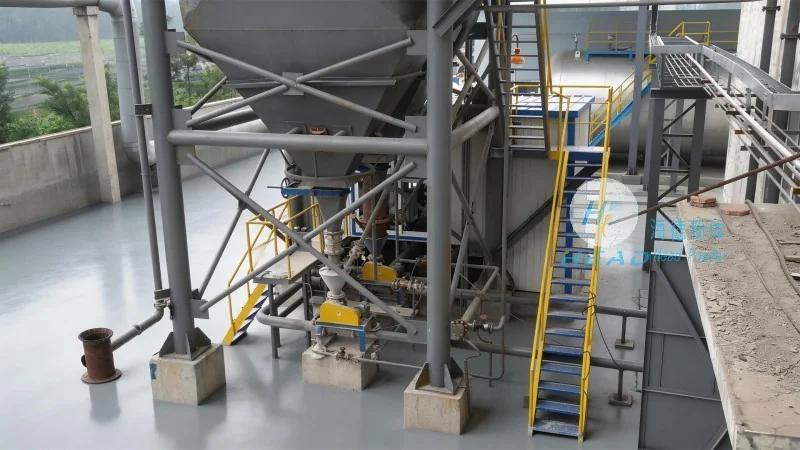
Maintenance and Operational Efficiency
Regular maintenance is essential to ensure the long-term performance and reliability of a coke powder pneumatic conveying system. The system should be designed with easy access to components such as filters, airlocks, and pipelines for routine cleaning and inspection. The use of wear-resistant materials and components, such as lined elbows and abrasion-resistant blower housings, can extend the system's lifespan and reduce maintenance frequency. Operational efficiency is also enhanced by implementing monitoring systems that track pressure, flow rate, and material levels in real-time. These systems allow for proactive maintenance and adjustments, preventing unexpected failures and ensuring consistent performance. By prioritizing maintenance and operational efficiency, the system can deliver reliable service over its entire lifecycle.
Customization and Application-Specific Solutions
Shandong HeadPowder Engineering Co., Ltd. specializes in providing customized solutions tailored to the specific needs of each client. The company's engineers work closely with clients to understand their operational requirements, material characteristics, and budget constraints, then design a system that meets all these criteria. Whether the application involves short-distance transport within a plant or long-distance delivery to a remote location, the system can be customized to optimize performance and minimize costs. The company's expertise in coke powder handling ensures that the final solution is not only efficient but also safe and compliant with industry standards. By focusing on customization and client collaboration, HeadPowder delivers systems that provide long-term value and contribute to the client's overall operational success.