

Types, Characteristics, and Application Ranges of Synthetic Fiber Pneumatic Conveying
Synthetic fiber pneumatic conveying systems represent a sophisticated method for transporting bulk materials through the use of air or gas as the conveying medium. These systems are widely utilized across various industries due to their efficiency, adaptability, and ability to handle a broad spectrum of materials. The technology involves the use of synthetic fibers, often in the form of flexible hoses or rigid pipes, to facilitate the movement of powders, granules, and other particulate materials. Understanding the types, key characteristics, and application ranges of synthetic fiber pneumatic conveying is essential for selecting the most suitable system for specific operational needs.
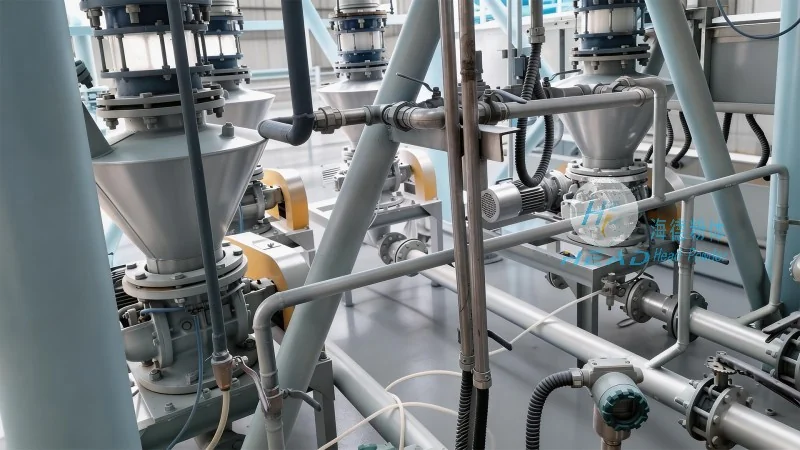
Types of Synthetic Fiber Pneumatic Conveying Systems
There are primarily two main categories of synthetic fiber pneumatic conveying systems: suction (or aspirating) systems and pressure (or blow) systems. Each type operates on different principles and is suited to distinct material handling scenarios.
Suction systems, also known as vacuum systems, utilize a vacuum pump to draw material from a source into a conveying line. This method is particularly effective for handling materials that are light or have a tendency to settle, as the vacuum helps to maintain material flow. The system typically includes a hopper, a vacuum pump, and a discharge point. The synthetic fiber hoses or pipes used in suction systems are often designed to withstand the low pressures and vacuum conditions, ensuring reliable performance. Suction systems are commonly employed in applications where the material source is at a lower elevation than the discharge point, or where the material is sensitive to pressure changes.
Pressure systems, on the other hand, operate by blowing air or gas into a conveying line to push material from a source to a discharge point. These systems are generally more powerful and are suitable for handling heavier or more abrasive materials. The pressure applied can range from low to high, depending on the material characteristics and the required conveying distance. Synthetic fiber components in pressure systems are engineered to withstand higher pressures and the dynamic forces associated with material movement. Pressure systems are often preferred when the material source is at a higher elevation than the discharge point, or when the material requires a higher velocity to maintain flow.
Key Characteristics of Synthetic Fiber Pneumatic Conveying
Synthetic fiber pneumatic conveying systems exhibit several notable characteristics that make them advantageous in material handling operations. One of the most significant advantages is their high efficiency in terms of material transport. By using air as the conveying medium, these systems can move materials quickly and with minimal energy consumption compared to traditional methods such as belt conveyors or bucket elevators. The flexibility of synthetic fiber hoses allows for easy installation and adaptation to complex layouts, reducing the need for extensive infrastructure modifications.
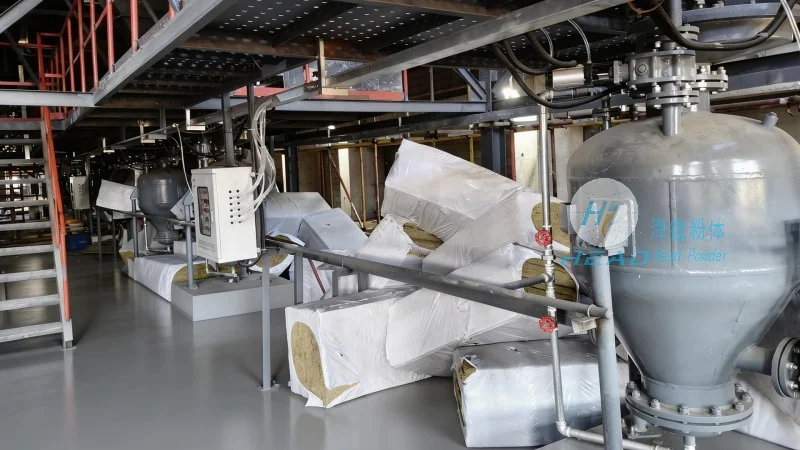
Another key characteristic is the environmental friendliness of synthetic fiber pneumatic conveying. Unlike mechanical systems that may generate dust or require lubrication, pneumatic systems operate with minimal particulate emissions, contributing to a cleaner working environment. The use of synthetic fibers also helps to prevent material contamination, which is critical in industries such as food processing, pharmaceuticals, and cosmetics where product purity is paramount. Additionally, these systems are relatively low maintenance, as they have fewer moving parts compared to traditional equipment, leading to reduced downtime and operational costs.
The adaptability of synthetic fiber pneumatic conveying is another important feature. These systems can be customized to handle a wide variety of materials, including fine powders, coarse granules, and even sticky or cohesive substances. The choice of synthetic fiber material, such as polyethylene or polypropylene, can be tailored to match the specific properties of the material being conveyed, ensuring optimal performance. Furthermore, the system's ability to handle materials with varying particle sizes and densities makes it a versatile solution for diverse industrial applications.
Application Ranges of Synthetic Fiber Pneumatic Conveying
Synthetic fiber pneumatic conveying systems find extensive application across multiple industries, each leveraging the technology's unique advantages to address specific material handling challenges. In the chemical industry, these systems are widely used for transporting powders and granules of chemicals, including those that are corrosive or reactive. The synthetic fiber components are selected to resist chemical exposure, ensuring durability and safety. The efficiency of the system helps in maintaining consistent production rates and minimizing material loss.
In the food and beverage sector, synthetic fiber pneumatic conveying is employed to handle ingredients such as flour, sugar, and spices. The system's ability to maintain product purity and prevent contamination is crucial in this industry. The gentle handling of materials by the air flow minimizes product degradation, preserving the quality and freshness of the ingredients. This makes synthetic fiber pneumatic conveying an ideal choice for food processing plants where hygiene and product integrity are top priorities.
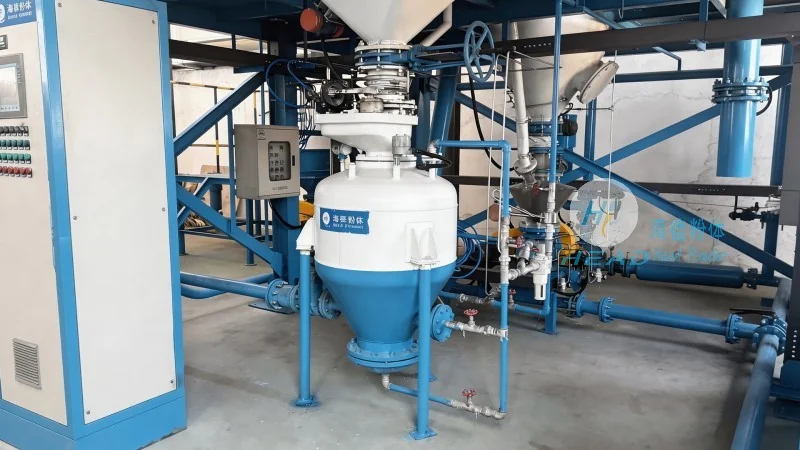
The pharmaceutical industry also utilizes synthetic fiber pneumatic conveying for the transport of active pharmaceutical ingredients (APIs) and other sensitive materials. The system's low contamination risk and ability to maintain sterile conditions are critical factors. The use of synthetic fibers that are non-porous and easy to clean ensures compliance with regulatory standards. Additionally, the system's compact design allows for integration into existing pharmaceutical manufacturing facilities without disrupting production.
In the agricultural sector, synthetic fiber pneumatic conveying is used for handling bulk agricultural products such as grains, seeds, and powders. The system's efficiency in moving large volumes of material quickly supports high-throughput processing in grain elevators and processing plants. The flexibility of synthetic fiber hoses enables easy routing around obstacles, optimizing the layout of agricultural processing facilities. This technology helps in reducing labor costs and improving overall operational efficiency in agricultural operations.
Other industries that benefit from synthetic fiber pneumatic conveying include mining, where it is used to transport ore and minerals, and construction, where it handles cement and other building materials. In mining applications, the system's ability to handle abrasive materials and its durability under harsh conditions are advantageous. In construction, the system's efficiency in moving large quantities of cement and other bulk materials contributes to faster project completion and reduced material handling costs.
Overall, synthetic fiber pneumatic conveying systems offer a reliable and efficient solution for a wide range of material handling needs across various industries. By understanding the different types, key characteristics, and application ranges, businesses can select the most appropriate system to enhance their operational performance and meet their specific material transport requirements. The technology continues to evolve, with ongoing advancements in synthetic fiber materials and system design, further expanding its capabilities and applications in the future.