For manufacturers in the foundry industry, selecting the appropriate pneumatic conveying system for mold sand is a critical decision that impacts production efficiency, material quality, and operational costs. The two primary types of pneumatic conveying systems are positive pressure and negative pressure. Understanding the differences between these two approaches is essential for making an informed choice that aligns with specific production requirements. This article will explore the characteristics, advantages, and applications of both positive and negative pressure pneumatic conveying for mold sand, helping you distinguish between the two and select the most suitable system for your operation.
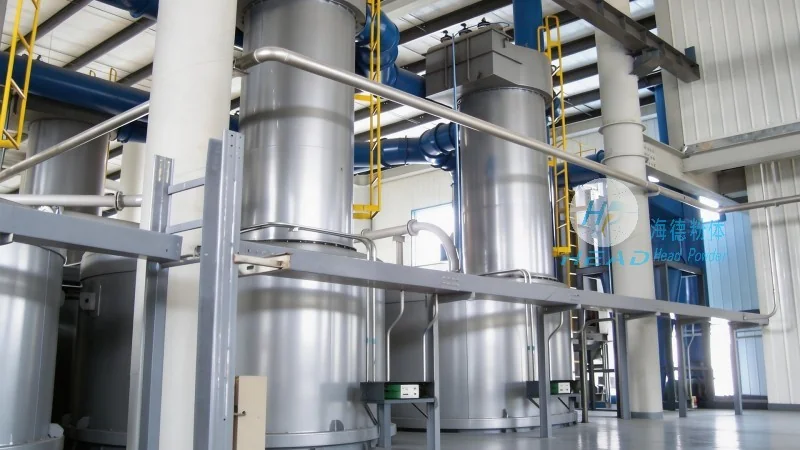
Understanding Pneumatic Conveying Systems for Mold Sand
Pneumatic conveying is a method of transporting bulk materials like mold sand through a pipeline using air or gas. It offers advantages such as dust-free operation, reduced material degradation, and the ability to transport materials over long distances. The choice between positive and negative pressure systems depends on factors like material properties, distance, and the need for containment or environmental control.
Positive Pressure Pneumatic Conveying
Positive pressure systems operate by blowing air or gas into the conveying line, creating a pressure higher than the ambient air pressure. The material is then drawn into the line by the pressure differential. This method is often preferred for applications requiring high material flow rates and the transport of abrasive or heavy materials. The positive pressure system is typically more suitable for short to medium distances and when the material is being transported from a central source to multiple destinations.
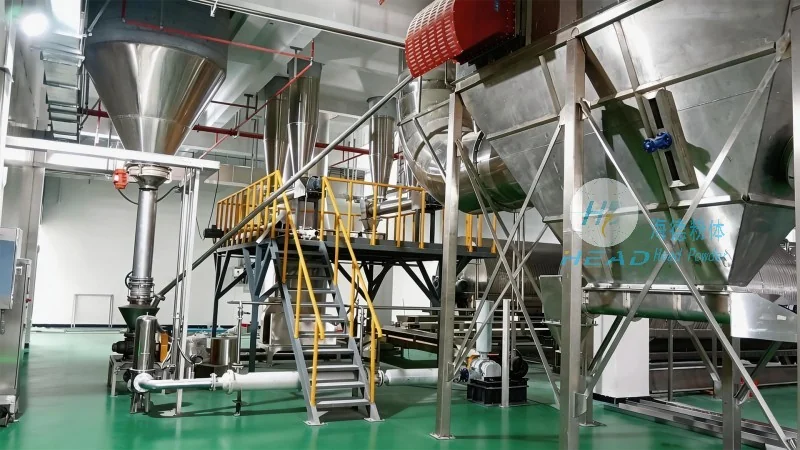
One of the key advantages of positive pressure conveying is its ability to handle a wide range of material characteristics, including high moisture content or sticky materials. The pressurized air helps to break up agglomerates and ensure consistent flow. Additionally, positive pressure systems are generally more efficient for transporting materials over longer distances, as the pressure can be maintained throughout the pipeline. However, they may require more robust equipment and higher energy consumption compared to negative pressure systems.
Negative Pressure Pneumatic Conveying
Negative pressure systems, also known as vacuum conveying, operate by creating a vacuum in the conveying line, which draws the material into the system. The material is then transported through the pipeline by the pressure difference between the inlet and the outlet. This method is commonly used for applications where the material needs to be collected from multiple points or where the material is sensitive to pressure changes. Negative pressure systems are particularly suitable for short to medium distances and when the material is being transported from multiple sources to a central collection point.
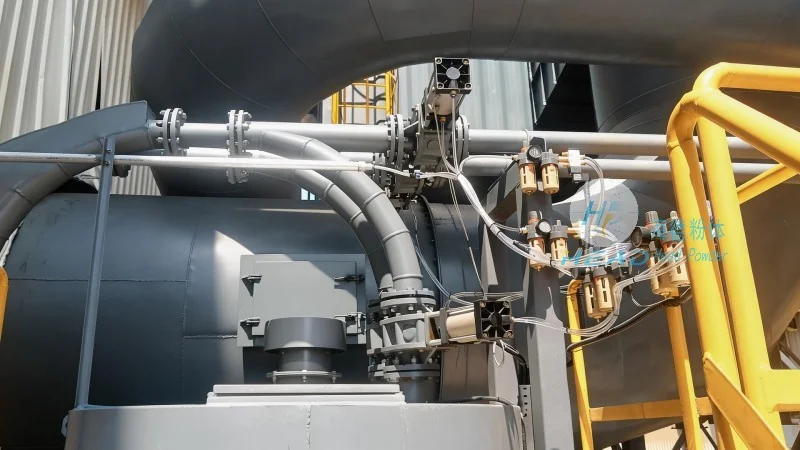
One of the main benefits of negative pressure conveying is its ability to handle fine or powdery materials without causing excessive dust or particle breakage. The vacuum helps to maintain the integrity of the material, making it ideal for applications where the material quality is critical. Additionally, negative pressure systems are generally more energy-efficient for short distances and can be more cost-effective for smaller-scale operations. However, they may have limitations in handling highly abrasive or sticky materials, as the vacuum can cause material buildup in the system.
Distinguishing Between Positive and Negative Pressure Systems
When deciding between positive and negative pressure pneumatic conveying systems for mold sand, several factors should be considered. First, the distance and layout of the conveying system are important. Positive pressure systems are better suited for longer distances and centralized material distribution, while negative pressure systems are more appropriate for shorter distances and material collection from multiple points. Second, the material properties, such as moisture content, particle size, and abrasiveness, play a significant role. Positive pressure systems are generally more effective for handling abrasive or heavy materials, while negative pressure systems are better for fine or sensitive materials. Third, the need for environmental control and dust containment should be evaluated. Positive pressure systems may require additional filtration and containment measures to prevent dust emissions, whereas negative pressure systems can be more effective in maintaining a clean environment at the source.
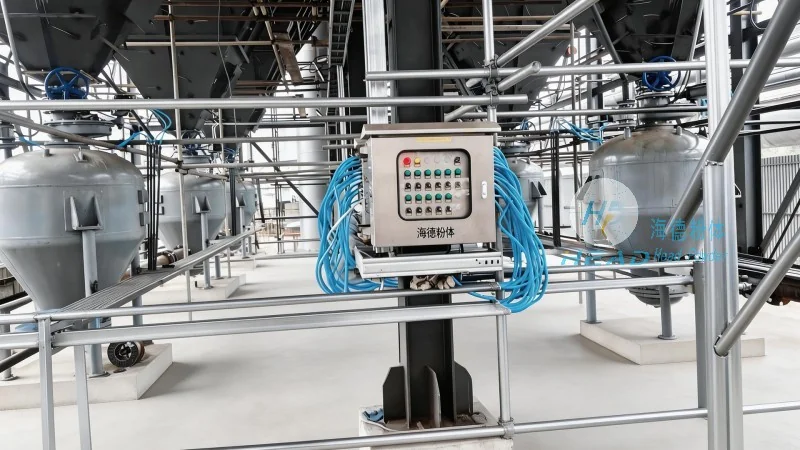
Choosing the Right System for Your Mold Sand Conveying Needs
After evaluating the characteristics of both positive and negative pressure pneumatic conveying systems, the next step is to select the most suitable option for your specific application. For foundries that require high material flow rates and the transport of abrasive mold sand over medium to long distances, a positive pressure system may be the better choice. This system offers robust performance and the ability to handle challenging material conditions. On the other hand, if your operation involves collecting fine mold sand from multiple locations and maintaining material integrity, a negative pressure system may be more appropriate. This system provides gentle handling and efficient collection, minimizing material degradation.
It is also important to consider the overall system design and integration with existing infrastructure. A well-designed pneumatic conveying system should be compatible with your production layout, equipment, and operational requirements. Consulting with a specialized engineering company, such as Shandong HeadPowder Engineering Co., Ltd. (headpowder), can provide valuable insights into the most suitable system for your foundry. With their expertise in pneumatic conveying technology, they can help you evaluate your specific needs and recommend the optimal solution for efficient mold sand handling.




