

Choosing Between Positive Pressure and Negative Pressure for Fine Sand Pneumatic Conveying: How to D
When it comes to pneumatic conveying of fine sand, selecting the right system type is crucial for efficiency, cost-effectiveness, and operational reliability. Two primary approaches dominate the industry: positive pressure and negative pressure systems. Understanding the differences between these two methods is essential for making an informed decision that aligns with specific project requirements. This article explores the key factors to consider when choosing between positive pressure and negative pressure for fine sand pneumatic conveying, helping you distinguish the most suitable option for your application.
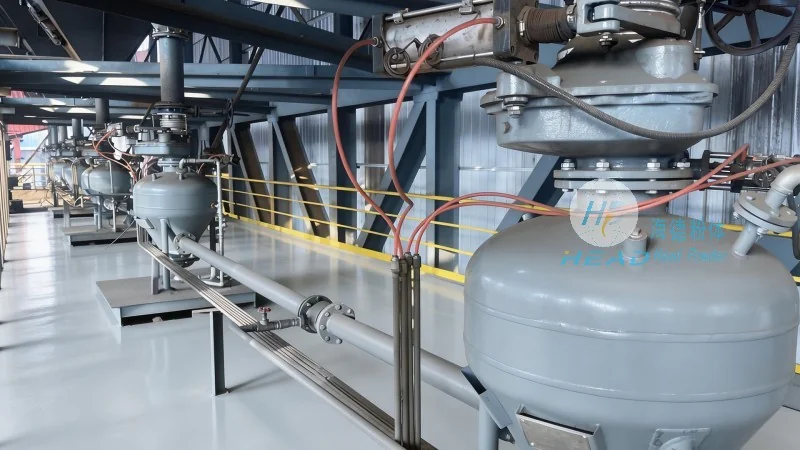
Positive Pressure Pneumatic Conveying Systems
Positive pressure systems operate by blowing air or gas into the conveying line, creating a pressure higher than the ambient atmosphere. This method is particularly effective for transporting fine sand over longer distances or through complex piping networks. The primary advantage of positive pressure systems is their ability to handle high volumes of material with minimal pressure drop, making them ideal for applications where the conveying distance is significant or the system needs to maintain a consistent flow rate. Additionally, positive pressure systems are generally more robust and less susceptible to blockages compared to negative pressure systems, as the air flow is directed towards the material, ensuring it is continuously moved through the pipeline.
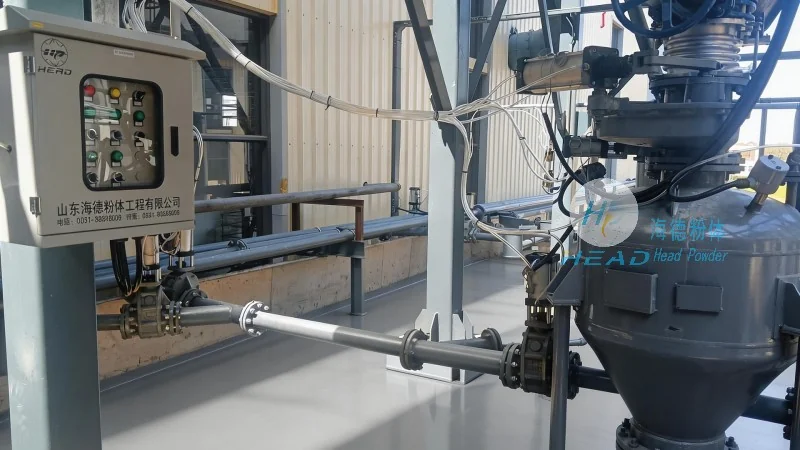
Negative Pressure Pneumatic Conveying Systems
Negative pressure systems, also known as vacuum systems, work by creating a vacuum in the conveying line, drawing material into the system from the source. This approach is commonly used for shorter conveying distances or when the material needs to be transported from a single point to a central collection point. The key benefits of negative pressure systems include lower energy consumption for shorter distances and the ability to handle materials that are sensitive to pressure changes or may be prone to dust generation. However, negative pressure systems are more prone to blockages and require more maintenance due to the higher risk of material buildup in the pipeline. They are also less suitable for long-distance or high-volume applications, as the vacuum can lead to increased pressure drop and reduced conveying efficiency over time.
Distinguishing Factors for Fine Sand Pneumatic Conveying
When distinguishing between positive and negative pressure systems for fine sand, several critical factors must be evaluated. First, the conveying distance and layout of the system are primary considerations. Positive pressure systems are preferred for longer distances or complex layouts, as they maintain consistent pressure and flow. Negative pressure systems are better suited for shorter distances or when the material is sourced from a single point and needs to be collected at a central location. Second, the material characteristics of fine sand play a significant role. Fine sand particles are small and can be prone to dust formation, which affects system performance. Positive pressure systems are often more effective at handling fine sand due to their ability to maintain a consistent air-to-material ratio, reducing the risk of clogging. Third, operational costs and energy consumption are important factors. Positive pressure systems typically require more energy to maintain higher pressure, while negative pressure systems may have lower energy costs for shorter distances but higher maintenance costs due to potential blockages. Finally, the overall system complexity and maintenance requirements should be considered. Positive pressure systems are generally more straightforward to maintain, as they involve less risk of material buildup, whereas negative pressure systems may require more frequent cleaning and maintenance to prevent blockages.
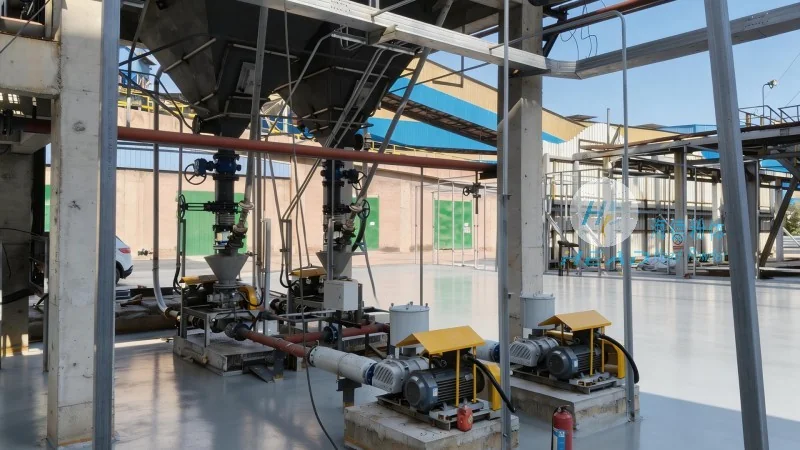
About Shandong HeadPowder Engineering Co., Ltd.
Shandong HeadPowder Engineering Co., Ltd., commonly known as HeadPowder, is a leading provider of pneumatic conveying solutions tailored to the needs of various industries. With a focus on innovation and customer satisfaction, HeadPowder specializes in designing and manufacturing systems that optimize material handling efficiency, particularly for fine sand and other fine powders. The company's headquarters is located in Shandong, China, where it leverages advanced technology and expertise to deliver high-quality solutions that meet the specific requirements of each project. HeadPowder's commitment to quality and reliability has made it a trusted partner for businesses seeking efficient and effective pneumatic conveying systems for their operations.