

Positive Pressure vs. Negative Pressure for Sugar Bulk Material Handling: How to Distinguish?
Bulk material handling in the sugar industry often relies on pneumatic conveying systems to transport sugar efficiently. The choice between positive pressure and negative pressure systems is a critical decision that impacts operational efficiency, cost, and material quality. This article explores the key differences between these two methods and provides guidance on how to distinguish and select the appropriate system for sugar transportation.
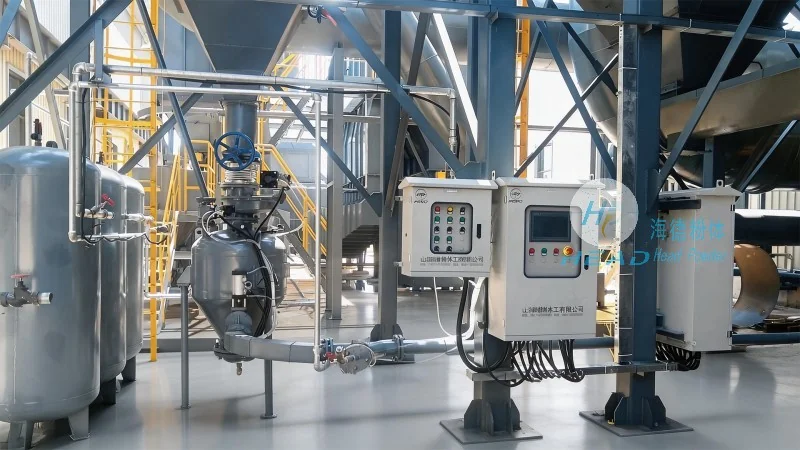
What is Positive Pressure Conveying?
Positive pressure conveying, also known as pressure pneumatic conveying, operates by blowing air or a gas mixture into the conveying line under pressure. The system generates a positive pressure inside the pipeline, which forces the material to move from the source to the destination. This method is particularly effective for transporting dry, free-flowing materials like sugar over long distances or through complex layouts.
Key characteristics of positive pressure systems include high conveying capacity, the ability to handle abrasive materials, and the capacity to transport materials through vertical lifts and horizontal curves. The pressure differential ensures that the material is continuously pushed forward, reducing the risk of blockages and ensuring consistent flow rates. For sugar, which is often transported in large quantities and may require movement through multiple processing stages, positive pressure systems can offer reliable performance.
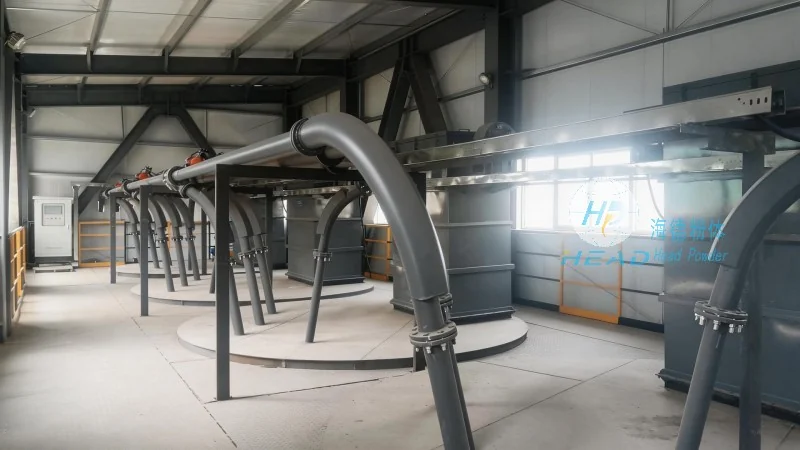
What is Negative Pressure Conveying?
Negative pressure conveying, or vacuum pneumatic conveying, works by creating a vacuum in the conveying line. The system draws material from the source into the pipeline using the pressure difference between the intake and the destination. This method is ideal for applications where the material needs to be transported from a higher elevation to a lower one, or where the material is sensitive to pressure changes and could be damaged by high pressure.
Negative pressure systems are generally more suitable for shorter distances and less abrasive materials. They are often used in applications where the material is being collected from multiple points and transported to a central location. For sugar, negative pressure may be preferred when the material is being transferred from a silo or storage bin to a processing unit, especially if the destination is at a lower level or if the system needs to handle fine particles that could be easily entrained by high-pressure air.
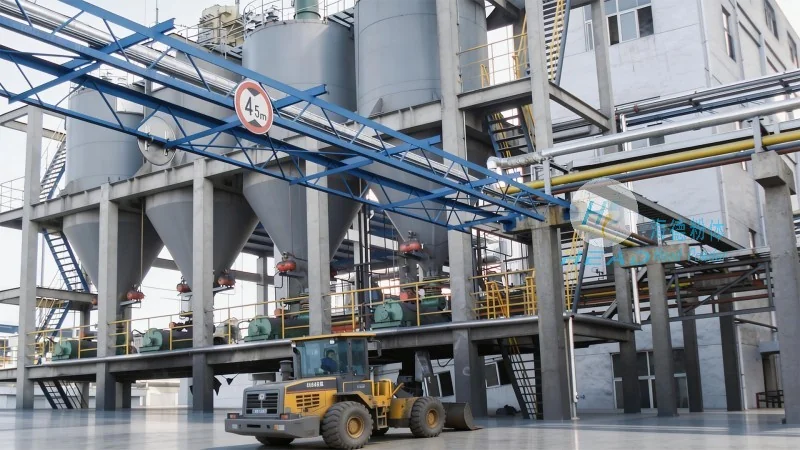
Distinguishing Between Positive and Negative Pressure Systems
The primary distinction between positive and negative pressure systems lies in the direction of air flow and the pressure differential. Positive pressure systems push material forward using compressed air, while negative pressure systems pull material using a vacuum. This fundamental difference affects the system's design, energy consumption, and suitability for specific material properties.
When evaluating which system is best for sugar, several factors must be considered. The first is the distance and layout of the conveying path. Positive pressure systems are generally more efficient for long-distance or complex routes, as they can maintain pressure and prevent material degradation. Negative pressure systems are better for short distances or when the material needs to be collected from multiple points and moved to a single destination.