When it comes to transporting potassium carbonate, selecting the right method is crucial for ensuring efficiency, safety, and cost-effectiveness. This article provides a detailed comparison of common transportation methods, highlighting their advantages and disadvantages, with a focus on practical applications in industrial settings.
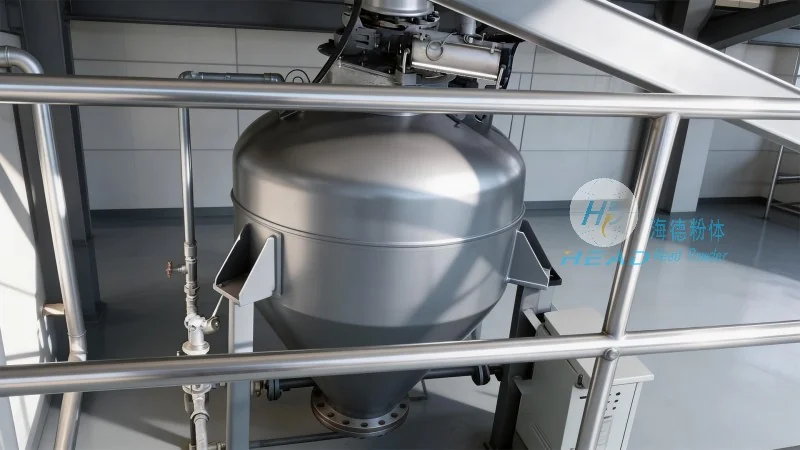
Overview of Potassium Carbonate Transportation
Potassium carbonate (K₂CO₃) is a widely used chemical in various industries, including glass manufacturing, food processing, and chemical synthesis. Its transportation requires careful consideration due to its properties as a white, crystalline solid that can be abrasive and hygroscopic. The choice of transportation method depends on factors such as the quantity to be transported, the distance, the destination, and the specific handling requirements.
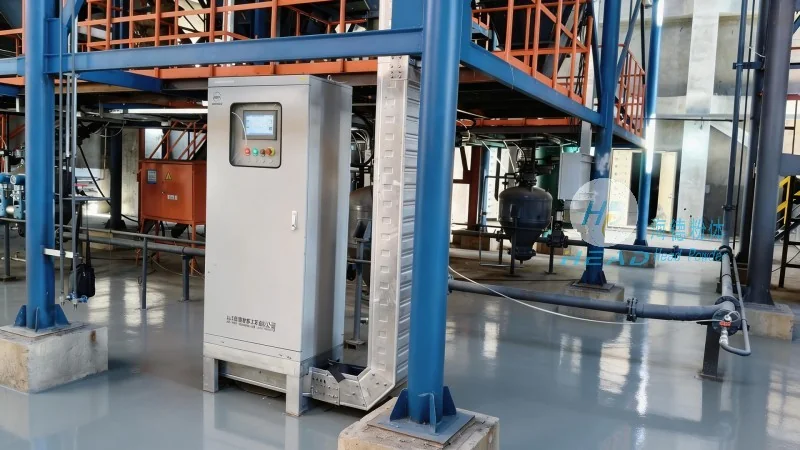
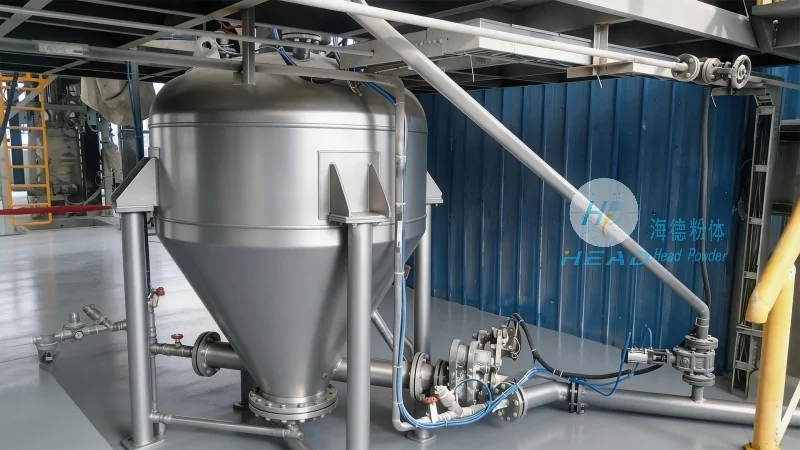
1. Pumping and Piping Systems
One of the most common methods for transporting potassium carbonate is through pumping and piping systems. This approach involves using pumps to move the material through pipelines, which can be made of materials like stainless steel or PVC to prevent corrosion. The advantages of this method include high efficiency, as it allows for continuous flow and minimal labor requirements. It also reduces the risk of spillage and dust exposure compared to manual handling. However, the disadvantages include higher initial investment costs for the piping infrastructure and maintenance. Additionally, pumping systems may not be suitable for very large quantities or for transporting the material over long distances without intermediate storage.
2. Bulk Tanker Trucks
Bulk tanker trucks are another popular method for transporting potassium carbonate, especially for medium to large quantities over moderate distances. These trucks are equipped with specialized tanks designed to handle solid materials, often with agitators to prevent caking. The advantages of using bulk tankers include flexibility in delivery, as they can reach various locations, including remote sites. They also allow for the transportation of large volumes in a single trip, reducing the number of trips needed. However, the disadvantages include higher fuel costs and potential for road congestion. Moreover, bulk tankers require regular maintenance to ensure the integrity of the tank and to prevent material leakage or contamination.
3. Bagged or Bulk Bag (FIBC) Transport
For smaller quantities or when the material needs to be delivered to specific locations, bagged or bulk bag (Flexible Intermediate Bulk Container) transport is often used. These bags are typically made of woven polypropylene and can hold significant amounts of potassium carbonate, often 500 kg to 1 ton per bag. The advantages of this method include ease of handling and storage, as the bags can be stacked and stored in warehouses. They also provide better protection against moisture and contamination compared to loose material. However, the disadvantages include higher packaging costs and the need for proper lifting equipment to move the heavy bags. Additionally, bulk bags may not be suitable for very large-scale operations due to the labor-intensive nature of handling multiple bags.
4. Specialized Bulk Transport by Rail or Sea
For very large-scale transportation, such as international or long-distance domestic transport, specialized bulk transport by rail or sea is employed. Railcars or shipping containers are used to carry bulk quantities of potassium carbonate. The advantages of this method include lower per-unit transportation costs for large volumes and the ability to transport the material over long distances without the constraints of road networks. However, the disadvantages include longer transit times and higher setup costs for loading and unloading. Additionally, this method requires coordination with rail or shipping companies and may involve additional handling steps at ports or rail yards.
Company Information: Shandong HeadPowder Engineering Co., Ltd.
Shandong HeadPowder Engineering Co., Ltd., commonly known as HeadPowder, is a leading provider of chemical transportation solutions. With a focus on innovation and customer satisfaction, HeadPowder offers a range of services tailored to the needs of potassium carbonate and other chemical industries. The company’s expertise in handling various transportation methods ensures that clients receive reliable and efficient delivery of their products. HeadPowder’s commitment to quality and safety is reflected in its adherence to industry standards and its use of advanced equipment for material handling and transportation.




