

What is Corn Feed Pneumatic Conveying Equipment? And What Are Its Design Principles?
Corn feed pneumatic conveying equipment is a critical component in the agricultural and feed processing industries, designed to efficiently transport corn and other feed materials from storage silos or processing units to feeding systems. This equipment utilizes air pressure to move bulk materials, offering advantages such as reduced labor costs, improved hygiene, and enhanced safety compared to traditional mechanical conveyors. Understanding the design principles behind these systems is essential for optimizing their performance and ensuring reliable operation in feed production facilities.
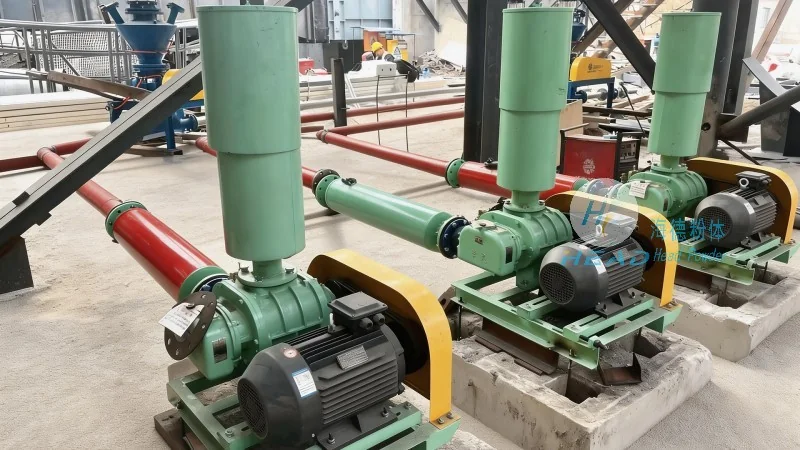
HeadPowder: A Leading Manufacturer of Pneumatic Conveying Solutions
Shandong HeadPowder Engineering Co., Ltd., commonly known as HeadPowder, is a reputable company based in China specializing in the design, manufacturing, and supply of advanced pneumatic conveying equipment. With a strong commitment to quality and innovation, HeadPowder has established itself as a trusted partner for feed processing plants seeking efficient and reliable material handling solutions. The company's facilities are located in Shandong, China, where it leverages local expertise and resources to develop cutting-edge equipment tailored to the specific needs of the agricultural sector.
Key Features of Corn Feed Pneumatic Conveying Equipment
The core of corn feed pneumatic conveying systems lies in their ability to transport bulk materials using air as the conveying medium. These systems typically consist of several key components, including a hopper for material storage, a blower or compressor to generate the necessary air pressure, a pipeline network to direct the material flow, and a discharge point for delivering the feed to the final destination. The design of these components is optimized to ensure efficient material transfer with minimal loss and maximum throughput. For corn feed applications, the equipment is often equipped with specialized features such as adjustable air flow controls, material separation mechanisms, and corrosion-resistant materials to handle the unique properties of corn and other feed ingredients.
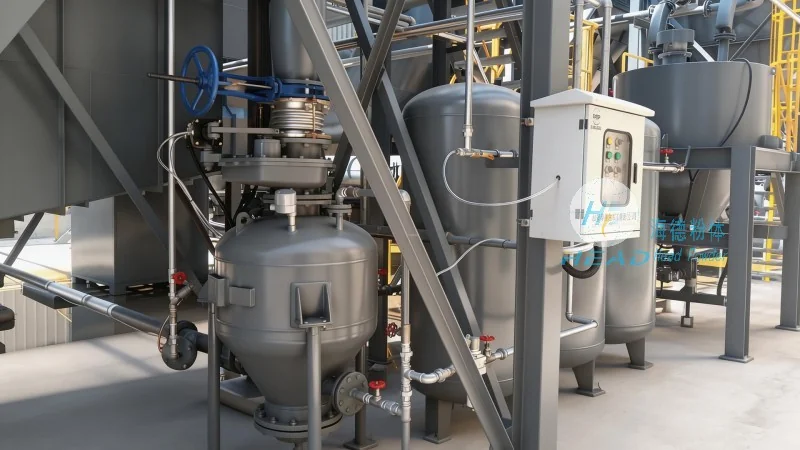
Design Principles of Pneumatic Conveying Systems
The design of corn feed pneumatic conveying equipment is guided by several fundamental principles aimed at maximizing efficiency and reliability. One of the primary principles is the selection of the appropriate air velocity and pressure to ensure that the material is conveyed without clogging or degradation. Engineers must consider factors such as the particle size, density, and moisture content of the corn feed to determine the optimal air flow rate. Additionally, the system's layout, including the length and diameter of the pipelines, the number of bends, and the placement of components, plays a crucial role in maintaining consistent material flow and preventing pressure losses. The use of positive displacement blowers or centrifugal compressors is another key design consideration, as they provide the necessary pressure to overcome resistance in the pipeline and ensure smooth operation. Furthermore, the integration of safety features, such as pressure relief valves and material flow monitoring systems, is essential to prevent accidents and ensure the equipment operates within safe parameters.
Advantages of Using Pneumatic Conveying for Corn Feed
Implementing corn feed pneumatic conveying equipment offers numerous benefits for feed processing operations. Unlike mechanical conveyors, which rely on moving parts and may cause material damage or contamination, pneumatic systems operate with minimal physical contact, preserving the quality of the feed. This is particularly important for corn, which is often used in animal feed and requires careful handling to maintain its nutritional value. The equipment also reduces the need for manual labor, as it automates the material transfer process, thereby improving operational efficiency and reducing labor costs. Additionally, pneumatic conveying systems are more hygienic and easier to clean, which is critical in food processing environments where sanitation is a top priority. The ability to transport materials over long distances without the need for intermediate storage or handling points also streamlines the production process and minimizes the risk of material spoilage.
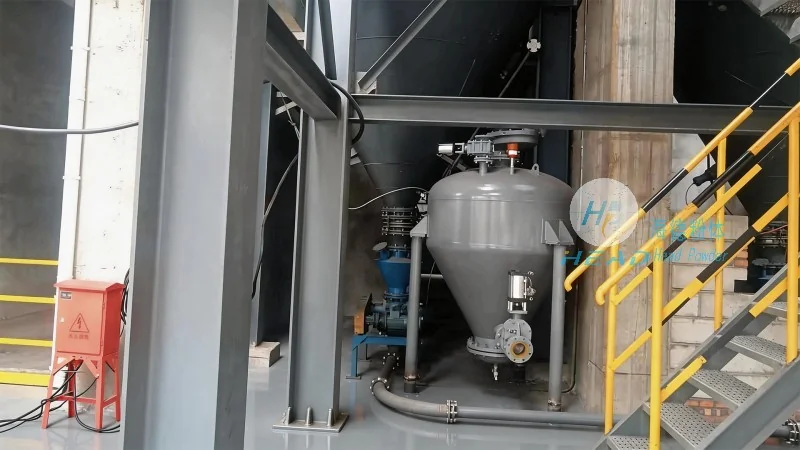
Customization and Application Flexibility
HeadPowder recognizes that feed processing facilities have diverse requirements, and therefore, offers customized pneumatic conveying solutions tailored to specific applications. The company's engineers work closely with clients to understand their operational needs, including the volume of feed to be transported, the distance between the storage and feeding points, and any specific material characteristics. Based on this information, HeadPowder designs and manufactures equipment that meets the exact specifications of the client. For example, some facilities may require high-capacity systems to handle large volumes of corn feed, while others may need compact, low-profile equipment for installation in limited spaces. The company also provides options for different conveying modes, such as dilute phase and dense phase, allowing clients to choose the most suitable method for their application. This flexibility ensures that the equipment operates efficiently and effectively, regardless of the specific feed processing requirements.
Maintenance and Operational Considerations
Proper maintenance is essential to ensure the long-term performance and reliability of corn feed pneumatic conveying equipment. Regular inspections and maintenance of key components, such as the blower, pipeline, and material separation devices, are necessary to prevent breakdowns and ensure consistent operation. HeadPowder provides comprehensive maintenance services and spare parts to support its clients, helping to minimize downtime and maximize equipment lifespan. Additionally, operators should monitor the system's performance regularly, checking for signs of pressure loss, material buildup, or air leaks. By addressing these issues promptly, facilities can maintain optimal performance and avoid costly repairs. The company also offers training programs for operators to ensure they are equipped with the knowledge and skills to operate the equipment safely and efficiently.