

Operation Process and Working Principle of Desulfurization Gypsum Material Handling System
Desulfurization gypsum, a byproduct of flue gas desulfurization in power plants and industrial facilities, requires efficient handling and transportation systems to ensure proper utilization and environmental compliance. The material handling system designed by Shandong HeadPowder Engineering Co., Ltd. (commonly known as HeadPowder), a leading engineering company based in Shandong, China, addresses these needs through a comprehensive and reliable solution tailored for the specific demands of gypsum processing. This article outlines the operation process and working principle of the desulfurization gypsum material handling system, highlighting key components, operational steps, and the technical advantages that make it a preferred choice in the industry.
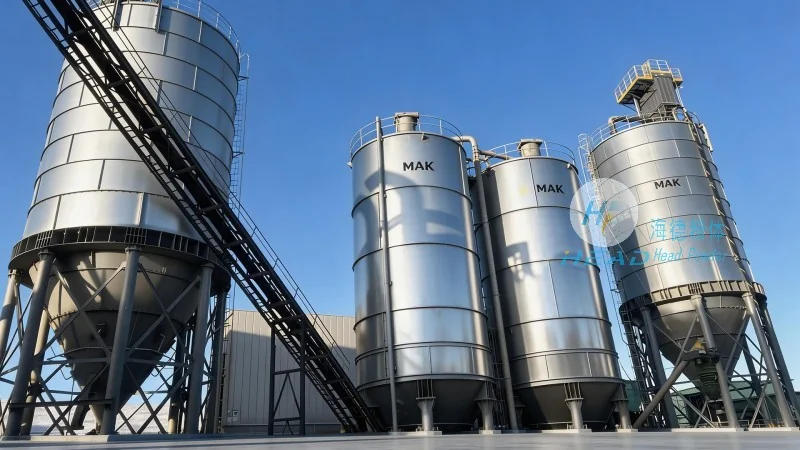
Overview of the Desulfurization Gypsum Material Handling System
The desulfurization gypsum material handling system developed by HeadPowder is engineered to handle the unique characteristics of gypsum, including its fine particle size, moisture content, and potential stickiness. The system integrates various equipment such as feeders, conveyors, storage silos, and control systems to form a seamless material flow from the desulfurization unit to the final application or storage site. By optimizing the material handling process, the system minimizes downtime, reduces material loss, and enhances overall operational efficiency.
Key Components and Their Functions
The system comprises several critical components, each playing a vital role in the efficient transport and management of desulfurization gypsum. The primary components include:
1. Feeding Equipment: Typically, a screw feeder or a rotary valve is used to control the flow rate of gypsum from the desulfurization reactor or storage silo. This equipment ensures a consistent and controlled feed into the subsequent conveying system, preventing overloading or underfeeding that could disrupt the process.
2. Conveying System: Depending on the distance and layout requirements, the system may utilize belt conveyors, bucket elevators, or pneumatic conveying lines. Belt conveyors are commonly employed for horizontal and slight incline transport due to their high capacity and low maintenance. Bucket elevators are ideal for vertical transport, while pneumatic conveying systems are suitable for long-distance or dust-sensitive applications.
3. Storage Silos: The system includes storage silos designed to hold the gypsum before it is transported to the final destination. These silos are equipped with internal agitators or air cannons to prevent material bridging and ensure uniform discharge. The silos are constructed from corrosion-resistant materials to withstand the chemical properties of gypsum and the environment.
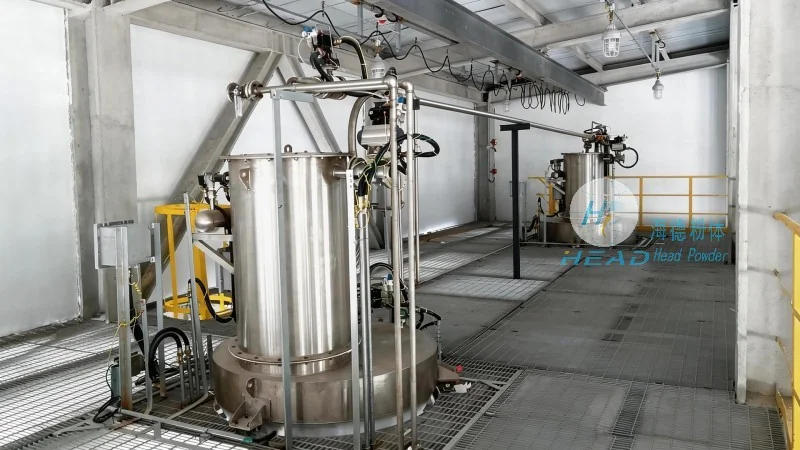
4. Control System: An automated control system monitors and regulates the entire process, including feed rate, conveyor speed, and silo level. This system uses sensors and programmable logic controllers (PLCs) to ensure smooth operation and detect any anomalies, such as blockages or overfilling, prompting immediate corrective actions.
Working Principle of the Material Handling System
The working principle of the desulfurization gypsum material handling system is based on a sequential flow of material through each component. The process begins with the gypsum being discharged from the desulfurization unit into a storage silo or directly into the feeding equipment. The feeding equipment then regulates the flow of gypsum into the conveyor system. The conveyor transports the gypsum to the next stage, which may be another silo, a processing unit, or a loading area. The control system continuously monitors the entire process, adjusting parameters as needed to maintain optimal performance.
Operation Process Step-by-Step
The operation process of the desulfurization gypsum material handling system can be broken down into the following steps:
1. Initial Feeding: Gypsum is collected from the desulfurization reactor and transferred to the primary storage silo. The screw feeder or rotary valve controls the initial feed rate, ensuring a steady supply to the conveying system.
2. Conveying to Intermediate Silo: The gypsum is conveyed from the primary silo to an intermediate storage silo or directly to the main conveyor line. The conveyor system transports the material horizontally or vertically, depending on the plant layout.
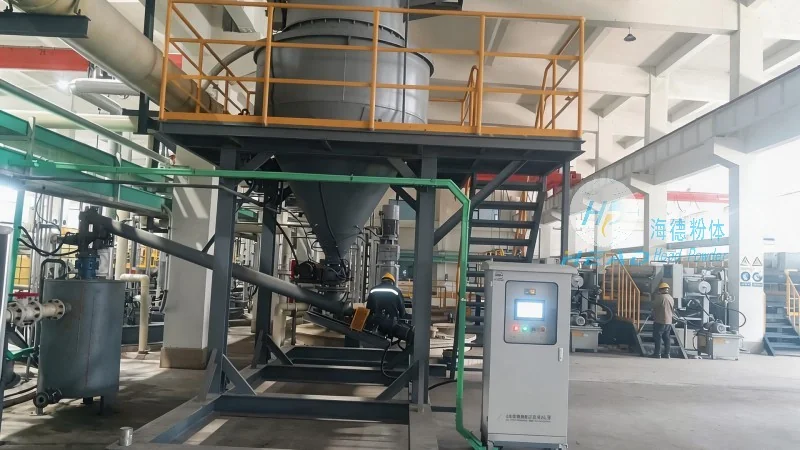
3. Storage and Conditioning: The intermediate silo stores the gypsum, allowing for moisture content adjustment and preventing caking. Internal agitators or air cannons are activated to maintain material flowability.
4. Final Conveying to Application: The conditioned gypsum is conveyed from the intermediate silo to the final destination, such as a gypsum board manufacturing plant, construction site, or storage area. The conveyor system ensures the material is delivered at the required rate and in the correct condition.
5. System Monitoring and Control: Throughout the process, the control system continuously monitors key parameters, including flow rate, pressure, and silo levels. Any deviations are detected and corrected in real-time, ensuring the system operates within optimal parameters and minimizing downtime.
Technical Advantages and Benefits
The desulfurization gypsum material handling system offered by HeadPowder provides several technical advantages that enhance operational efficiency and reliability. These benefits include:
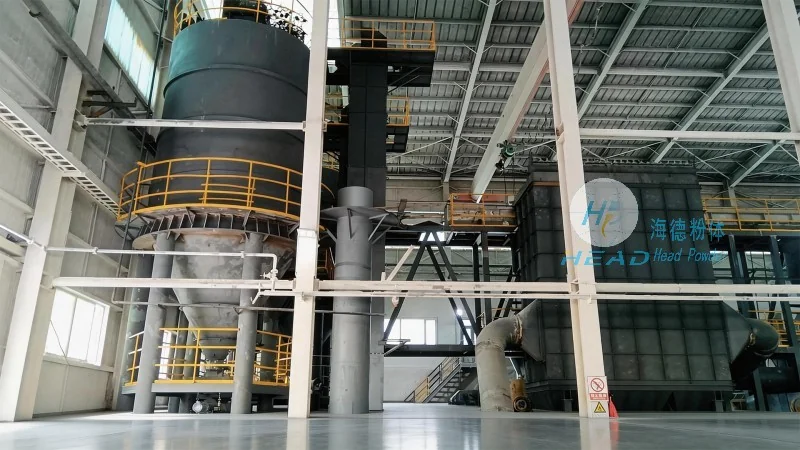
1. High Efficiency and Capacity: The system is designed to handle large volumes of gypsum with minimal downtime, ensuring continuous operation and meeting the demands of industrial applications.
2. Low Maintenance and Durability: Components such as conveyors and silos are constructed from corrosion-resistant materials and designed for long-term use, reducing maintenance costs and extending the system's lifespan.
3. Customization and Flexibility: The system can be customized to fit specific plant layouts and operational requirements, allowing for seamless integration with existing infrastructure.
4. Environmental Compliance: By efficiently handling desulfurization gypsum, the system helps facilities comply with environmental regulations and promotes the sustainable use of this byproduct.
Conclusion
The desulfurization gypsum material handling system developed by Shandong HeadPowder Engineering Co., Ltd. represents a reliable and efficient solution for the transportation and management of gypsum in power plants and industrial facilities. Through its integrated components, automated control system, and optimized operational process, the system ensures high performance, minimal downtime, and compliance with environmental standards. As a leading provider in the industry, HeadPowder continues to innovate and deliver tailored solutions that meet the evolving needs of its clients, contributing to the sustainable utilization of desulfurization gypsum and the advancement of industrial material handling technologies.