HeadPowder, a leading manufacturer in the field of material handling and processing, specializes in the design, development, and production of advanced automatic quantitative material feeding and conveying equipment. This equipment is engineered to meet the precise demands of various industrial applications, ensuring efficient and accurate material handling in production lines. The following article provides a detailed overview of the operation process and working principle of such equipment, highlighting its key components, functional mechanisms, and practical applications.
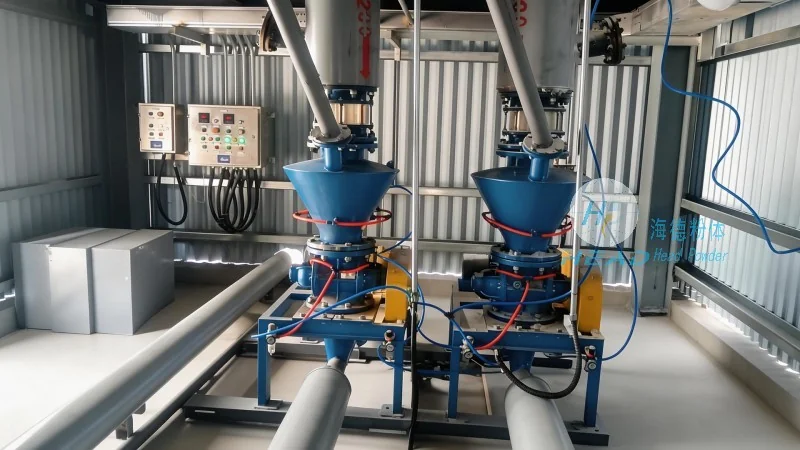
Overview of Automatic Quantitative Material Feeding Equipment
Automatic quantitative material feeding equipment is a critical component in modern manufacturing and processing industries. It is designed to measure, portion, and transport bulk materials with high accuracy and consistency. The system typically integrates multiple technologies, including weighing sensors, control systems, and conveyor mechanisms, to achieve precise material handling. For industries such as food processing, pharmaceuticals, chemicals, and mining, this equipment plays a vital role in maintaining product quality and operational efficiency.
Key Components and Functional Mechanisms
The operation of automatic quantitative material feeding equipment relies on several key components that work in harmony to deliver accurate results. The primary components include: 1. Material Hopper: A container that holds the bulk material to be processed. It is designed with a smooth interior to prevent material buildup and ensure uniform flow. 2. Weighing System: This is the core of the quantitative process, utilizing load cells or other precision sensors to measure the weight of material dispensed. The system can be configured for single or multi-component weighing, depending on the application requirements. 3. Control Unit: An electronic or programmable logic controller (PLC) that processes signals from the weighing system and controls the operation of the feeding mechanism. It ensures that the material is dispensed to the exact target weight. 4. Feeding Mechanism: This component can be a screw feeder, belt feeder, or vibrating feeder, depending on the material characteristics. It regulates the flow rate of material from the hopper to the weighing system. 5. Conveyor System: After the material is weighed and portioned, the conveyor transports the material to the next stage of the production process, such as packaging or further processing.
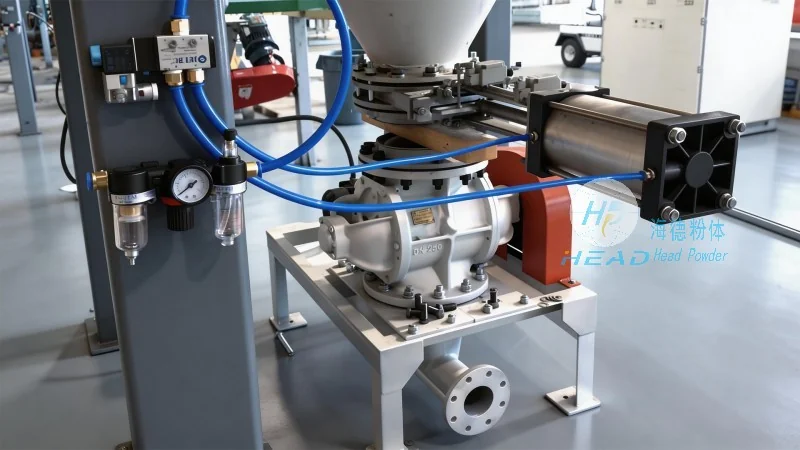
Operation Process of the Equipment
The operation of automatic quantitative material feeding equipment follows a systematic sequence to ensure accurate material handling. The process typically begins with the material being loaded into the hopper. The control unit then initiates the feeding cycle by activating the feeding mechanism. As material flows into the weighing chamber, the load cells continuously monitor the weight. Once the target weight is reached, the control unit signals the feeding mechanism to stop. The weighed material is then discharged into the conveyor system, which transports it to the subsequent processing stage. The system may also include a reset mechanism to prepare for the next batch, ensuring continuous and efficient operation.
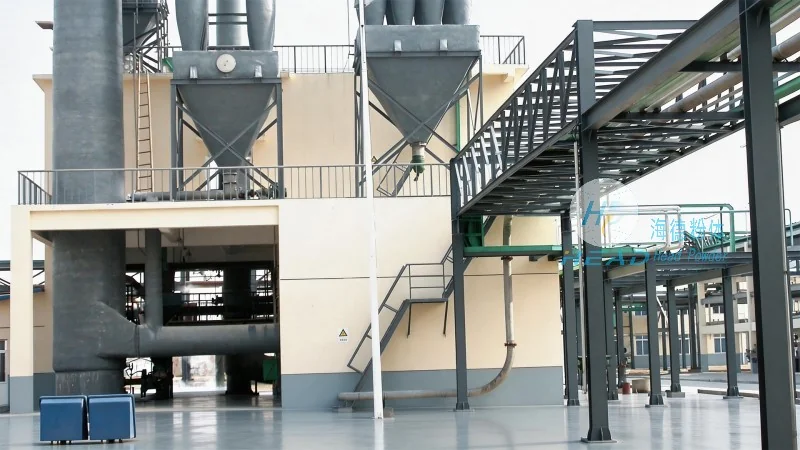
Working Principle and Precision Control
The working principle of automatic quantitative material feeding equipment is based on the principle of mass measurement and feedback control. The system operates by comparing the actual weight of the material being fed with the set target weight. Any deviation from the target is detected by the weighing sensors and corrected by adjusting the feeding rate. This closed-loop control system ensures high precision and repeatability, even under varying material conditions or environmental factors. The control unit may use algorithms such as PID (Proportional-Integral-Derivative) control to optimize the feeding process and minimize errors. Additionally, the equipment can be equipped with features like automatic calibration, which helps maintain accuracy over time and reduces the need for frequent manual adjustments.
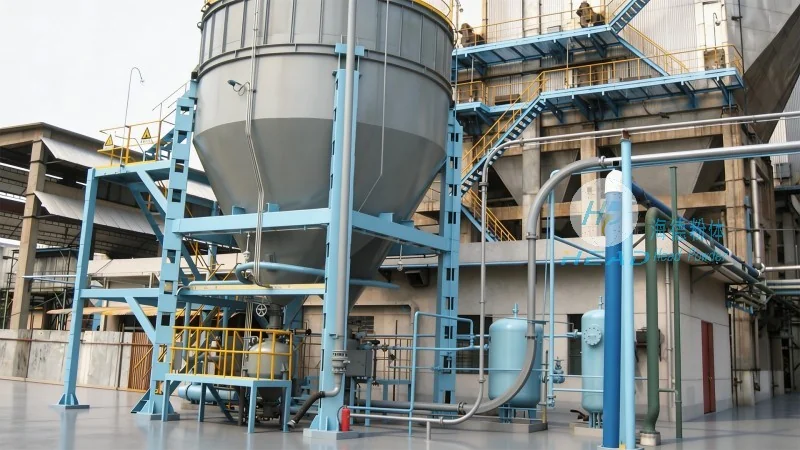
Applications and Benefits in Industrial Settings
Automatic quantitative material feeding equipment is widely used in various industrial sectors due to its ability to handle bulk materials with high precision. In the food industry, it is used for portioning ingredients like flour, sugar, and spices in food processing and packaging lines. In the pharmaceutical industry, it ensures accurate dosing of raw materials for drug production, adhering to strict regulatory standards. The chemical industry benefits from precise material handling for chemical reactions and formulation processes. The mining and minerals sector uses this equipment for processing raw ores and minerals, optimizing the extraction and processing of valuable resources. The primary benefits of using such equipment include improved product consistency, reduced material waste, enhanced operational efficiency, and compliance with industry standards and regulations.
Maintenance and Operational Considerations
To ensure the long-term performance and reliability of automatic quantitative material feeding equipment, proper maintenance and operational practices are essential. Regular maintenance tasks include cleaning the hopper and weighing chamber to prevent material buildup, checking the condition of load cells and sensors for any signs of wear or damage, and calibrating the system periodically to maintain accuracy. Operational considerations include proper material preparation, such as ensuring the material is free from clumps or foreign objects, which can affect the feeding process. Additionally, the equipment should be operated within the specified parameters, such as material flow rate and hopper capacity, to avoid overloading or underloading the system. Proper training of operators on the equipment's operation and maintenance is also crucial for optimal performance and safety.




