

How to Choose the Right Pneumatic Conveying System for Your PVC Handling Process?
When it comes to managing PVC materials in industrial processes, selecting the appropriate pneumatic conveying system is crucial for efficiency, safety, and cost-effectiveness. The right system can significantly enhance material handling capabilities while minimizing operational challenges. This guide will walk you through key considerations to help you make an informed decision for your specific PVC processing needs.
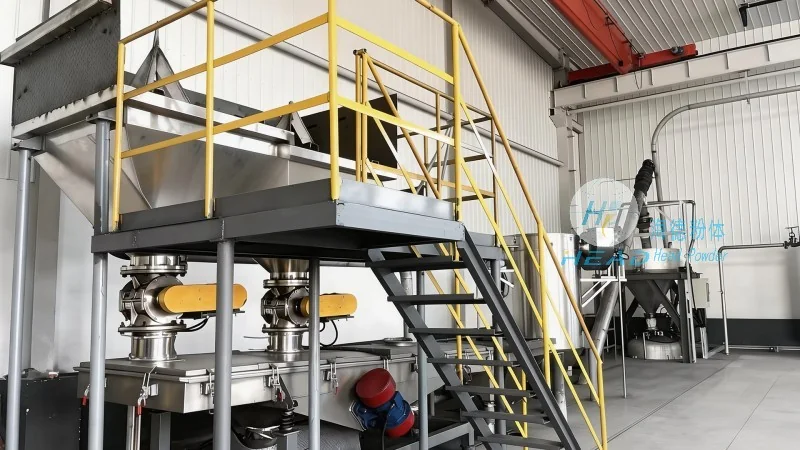
Understanding the Importance of Pneumatic Conveying for PVC Materials
PVC (Polyvinyl Chloride) is widely used in various industries due to its versatility and durability. However, its handling requires specialized equipment to maintain material integrity and prevent contamination. Pneumatic conveying systems offer a non-contact method of transporting PVC powders or granules, which is particularly beneficial for maintaining product quality and reducing wear on equipment. The choice of system depends on factors such as material characteristics, process requirements, and environmental considerations.
Key Factors to Consider When Choosing a Pneumatic Conveying System
Several critical factors must be evaluated when selecting a pneumatic conveying system for PVC applications. First, consider the physical properties of the PVC material, including particle size, density, and moisture content. These characteristics influence the system's design, such as the type of air flow (positive or negative pressure) and the required air velocity. Additionally, the distance and layout of the conveying line are important, as they affect the system's capacity and energy consumption. Another factor is the required conveying capacity, which determines the system's throughput and the number of components needed. Environmental regulations and space constraints also play a role in the selection process, as some systems may require more room or produce less dust than others.
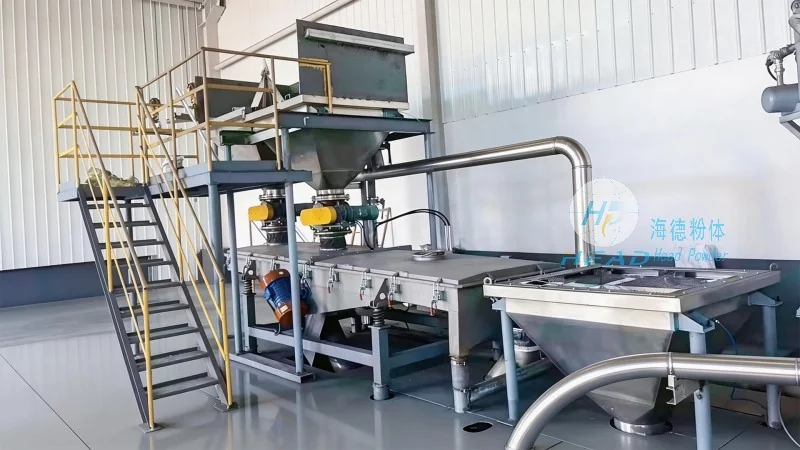
Types of Pneumatic Conveying Systems for PVC Handling
There are primarily two types of pneumatic conveying systems used in PVC processing: positive pressure and negative pressure systems. Positive pressure systems use compressed air to push material through the pipeline, making them suitable for long-distance or high-capacity applications. They are often preferred for handling PVC powders that are prone to bridging or caking. Negative pressure systems, on the other hand, use vacuum to draw material into the system, which is ideal for applications where dust control is a priority or where the material needs to be transported from multiple sources. Each system has its advantages and limitations, and the choice depends on the specific requirements of your PVC handling process.
Components and Design Considerations of Pneumatic Conveying Systems
A pneumatic conveying system typically consists of several key components, including a material feeder, a conveying line, a separator, and a receiver. The material feeder is responsible for introducing the PVC material into the system at a consistent rate, which is critical for maintaining system efficiency. The conveying line is designed to handle the material and air flow, with appropriate sizing to prevent pressure drops or material buildup. The separator is used to separate the material from the air stream, ensuring that the PVC is collected in the receiver without loss or contamination. The receiver is where the material is stored before being used in the next stage of the process. The design of these components must be tailored to the specific characteristics of the PVC material to ensure optimal performance.
Benefits of Using Pneumatic Conveying Systems for PVC Handling
Implementing a pneumatic conveying system for PVC handling offers several benefits. First, it provides a clean and efficient method of material transport, reducing the risk of contamination and product degradation. The non-contact nature of the system also minimizes wear and tear on equipment, leading to lower maintenance costs and longer equipment life. Additionally, pneumatic conveying systems can be integrated with other processing equipment, such as mixers or extruders, to create a seamless production line. This integration improves overall process efficiency and reduces downtime. Finally, the ability to handle PVC materials in a dust-free environment enhances workplace safety and compliance with environmental regulations.
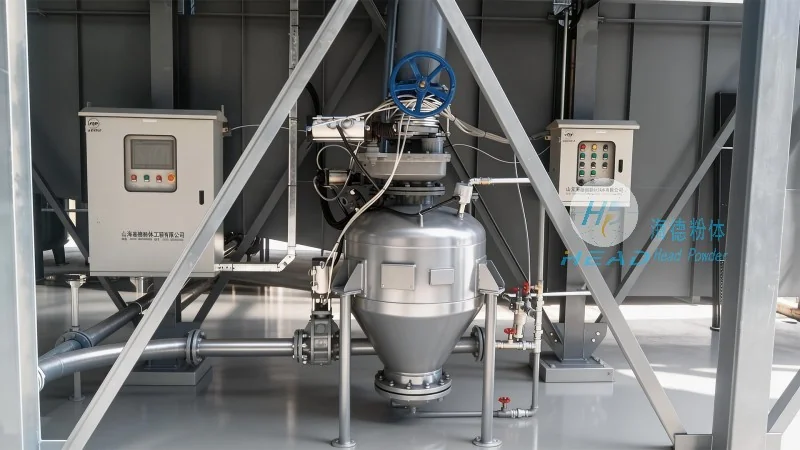
Choosing the Right System Provider: HeadPowder Engineering
When selecting a pneumatic conveying system for your PVC handling process, it is essential to work with a reputable provider who understands the unique challenges of PVC materials. Shandong HeadPowder Engineering Co., Ltd., a leading manufacturer based in China, specializes in designing and manufacturing customized pneumatic conveying systems tailored to specific industrial needs. With years of experience in the industry, HeadPowder Engineering has developed a range of solutions that address the diverse requirements of PVC processing applications. Their team of experts works closely with clients to assess their material characteristics, process requirements, and operational constraints, ensuring that the final system is optimized for performance and reliability.
Conclusion: Making an Informed Decision for Your PVC Handling Process
Choosing the right pneumatic conveying system for your PVC handling process is a critical decision that can impact the efficiency and success of your operations. By considering factors such as material properties, system type, and design components, you can select a system that meets your specific needs. Working with a trusted provider like Shandong HeadPowder Engineering Co., Ltd. ensures that you receive a customized solution that is tailored to your requirements, providing long-term benefits and improved performance. Whether you are processing PVC powders or granules, a well-designed pneumatic conveying system can enhance your production capabilities and contribute to the overall success of your business.