Gray calcium powder, a widely used industrial material, often requires efficient and reliable transportation solutions to maintain product quality and operational efficiency. Pneumatic conveying lines offer a superior method for handling such powders, providing a dust-free, automated system that minimizes contamination and enhances safety. This article provides a comprehensive overview of gray calcium powder pneumatic conveying lines, detailing their structural components, working principles, and the expertise of Shandong HeadPowder Engineering Co., Ltd. in implementing these systems.
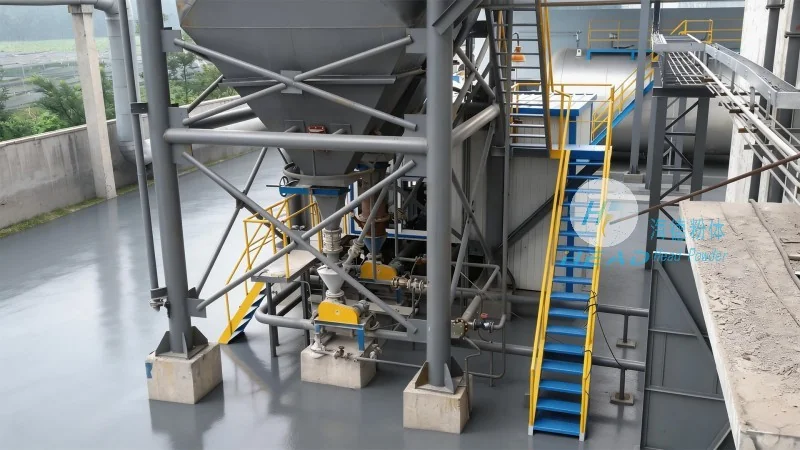
Overview of Gray Calcium Powder Pneumatic Conveying Systems
Pneumatic conveying systems are integral to industries handling bulk powders, including the chemical, food, and construction sectors. For gray calcium powder, which is typically fine and can be prone to dusting, a well-engineered pneumatic conveying line is essential to prevent environmental contamination and ensure consistent material flow. These systems utilize compressed air to transport the powder through a network of pipes, eliminating the need for mechanical components that may introduce wear or contamination.
Key Structural Components of the Pneumatic Conveying Line
The gray calcium powder pneumatic conveying line comprises several critical components that work in concert to achieve effective material transport. The primary components include the material feeder, which introduces the powder into the system; the conveying pipeline, which transports the powder-air mixture; the separation and collection unit, which separates the powder from the air; and the dust collection system, which captures residual dust to maintain air quality. Each component is tailored to handle the specific characteristics of gray calcium powder, such as its particle size, density, and flowability.
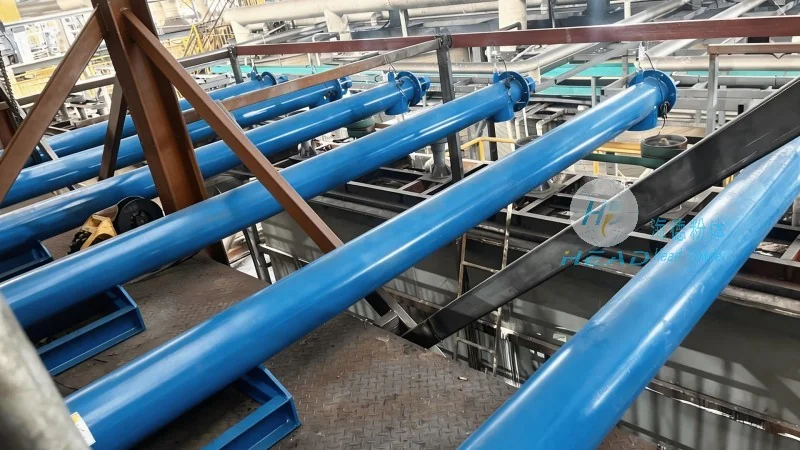
Working Principles of the Pneumatic Conveying Process
The operation of a gray calcium powder pneumatic conveying line is based on the principle of air flow. The material feeder discharges the gray calcium powder into the conveying pipeline, where it is mixed with compressed air. The air, moving at a high velocity, lifts and transports the powder particles through the pipeline. As the mixture reaches the separation unit, the air and powder are separated; the powder is collected in a storage bin, while the air is filtered and released. The separation process is critical to prevent powder escape and maintain product purity. The dust collection system further ensures compliance with environmental regulations by capturing fine particles.
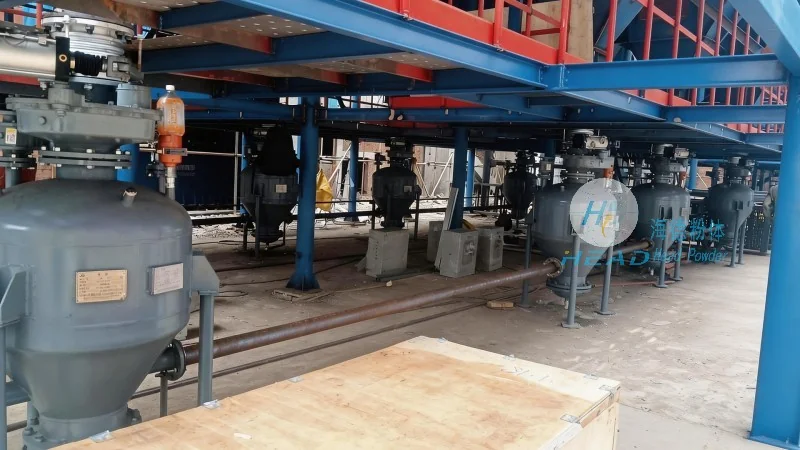
Design Considerations for Efficient Gray Calcium Powder Transport
Designing an effective pneumatic conveying system for gray calcium powder requires careful consideration of several factors. The particle size distribution of the powder is a key factor, as finer particles may necessitate higher air velocities to maintain flow. The density and flowability of the powder also influence system design, affecting pressure drop and energy consumption. Additionally, the system must be engineered to handle potential clogging or blockages, which can occur with cohesive or fine powders. Proper maintenance and cleaning protocols are essential to ensure long-term efficiency and reliability.
About Shandong HeadPowder Engineering Co., Ltd.
Shandong HeadPowder Engineering Co., Ltd., commonly referred to as HeadPowder, is a leading provider of industrial equipment and solutions for the powder handling industry. With extensive experience in designing and manufacturing pneumatic conveying systems, HeadPowder specializes in creating customized solutions tailored to client needs. The company’s expertise lies in understanding the unique challenges of handling materials like gray calcium powder and developing systems that ensure high efficiency, reliability, and safety. HeadPowder’s commitment to quality and innovation has established it as a trusted partner for businesses seeking to optimize their material transport processes. The company is headquartered in Shandong, China, and serves clients globally with its advanced engineering and technical support capabilities.




