

Operation Process and Working Principle of Glass Particle Material Conveying System
The glass particle material conveying system is a specialized industrial solution designed to efficiently transport glass particles from one location to another within manufacturing facilities. As a key component in glass production and processing lines, this system ensures smooth material flow, enhancing overall operational efficiency and product quality. The system is engineered to handle various types of glass particles, including fine powders, crushed glass, and other related materials, making it versatile for different industrial applications.
Key Components of the Conveying System
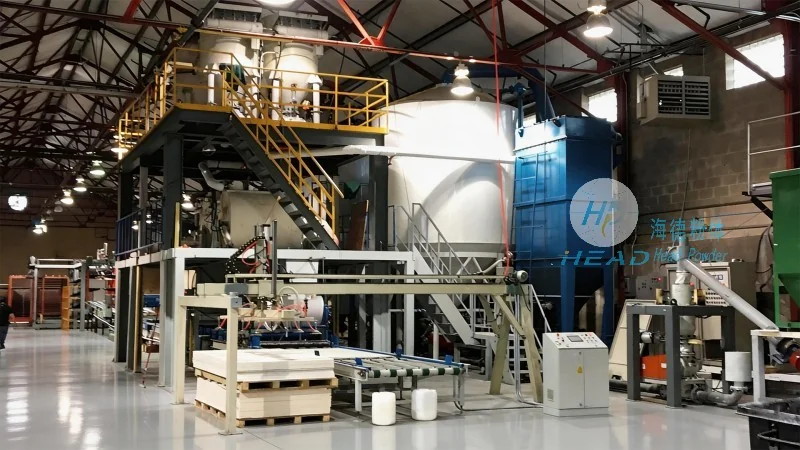
The glass particle conveying system typically consists of several critical components that work in tandem to achieve effective material transport. These components include a feeding mechanism, a conveying device (such as a screw conveyor, pneumatic conveyor, or belt conveyor), a control system, and a discharge unit. Each component plays a vital role in the system's operation, ensuring that glass particles are moved safely and efficiently. The feeding mechanism is responsible for introducing the glass particles into the system, while the conveying device transports them through the pipeline or conveyor path. The control system monitors and regulates the flow rate and pressure, maintaining optimal performance. Finally, the discharge unit delivers the glass particles to the next stage of the production process.
Operation Process of the Conveying System
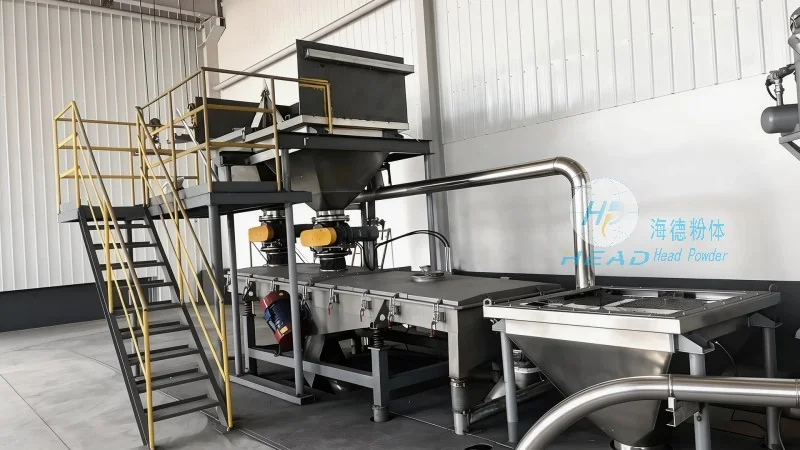
The operation of the glass particle conveying system follows a systematic process that begins with material intake and ends with delivery. The process starts when the glass particles are fed into the system via the feeding mechanism. The particles then enter the conveying device, which moves them along the designated path. Depending on the type of conveyor used, the movement may be driven by mechanical force (e.g., screw rotation) or air pressure (e.g., pneumatic conveying). The control system continuously monitors the system's performance, adjusting parameters as needed to maintain consistent flow. As the particles travel through the system, they may encounter filters or separators to remove any impurities, ensuring the purity of the material. Once the particles reach the discharge point, they are released into the next processing stage, completing the cycle.
Working Principle of the Conveying System
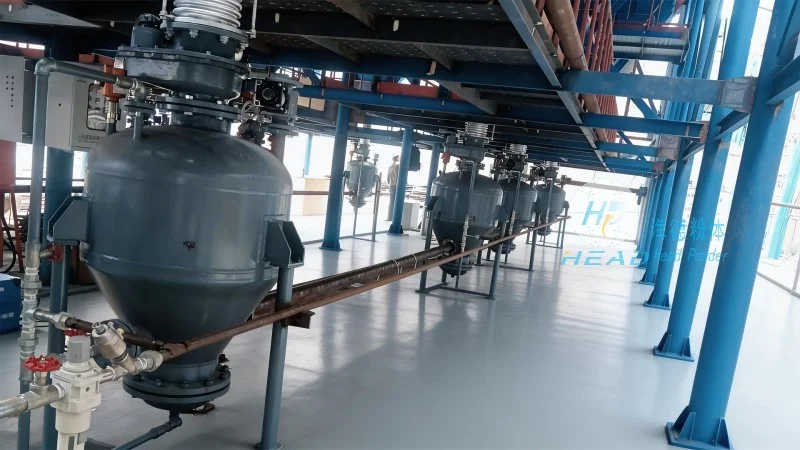
The working principle of the glass particle conveying system is based on the physical properties of the material and the mechanical or pneumatic forces applied to move it. For mechanical conveyors, the principle involves using rotating parts (like screws or belts) to push or pull the particles along the conveyor path. The screw conveyor, for example, uses a helical screw to transport particles through a tube, relying on the screw's rotation to create a forward motion. This method is effective for handling dry, free-flowing glass particles and can handle a wide range of particle sizes. Pneumatic conveyors, on the other hand, use compressed air to create a flow of particles through a pipeline. The air pressure propels the particles forward, and the system may include cyclones or filters to separate the particles from the air stream. The working principle of the control system is based on feedback mechanisms, where sensors detect the flow rate and pressure, and the system adjusts the air or mechanical force accordingly to maintain stable operation. This ensures that the conveying process is efficient and consistent, minimizing downtime and maximizing productivity.
Benefits and Applications of the Glass Particle Conveying System
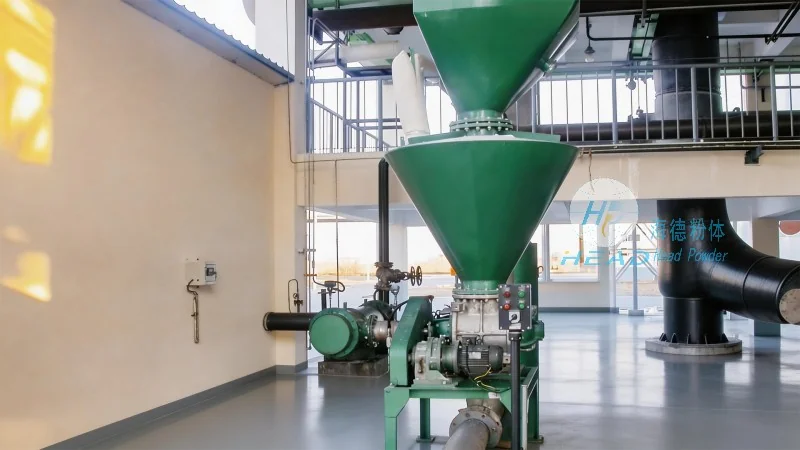
The glass particle conveying system offers numerous benefits for industrial operations, making it an essential tool in glass manufacturing and processing. One of the primary benefits is improved efficiency, as the system automates the material transport process, reducing manual labor and minimizing the risk of human error. This leads to higher throughput and better productivity. Another key benefit is enhanced safety, as the system minimizes the need for workers to handle glass particles manually, reducing the risk of injury from handling or inhalation of fine particles. The system also ensures consistent material quality by maintaining uniform flow and preventing contamination. In terms of applications, the glass particle conveying system is widely used in various stages of glass production, including raw material handling, batch preparation, and finished product packaging. It is also suitable for recycling facilities, where crushed glass is transported for reprocessing. The system's versatility allows it to be adapted to different production scales, from small-scale operations to large industrial plants.