

Operation Process and Working Principle of Phenolic Resin Material Handling Systems
HeadPowder, a leading enterprise based in Shandong, China, specializes in the design, manufacturing, and implementation of advanced material handling systems. With a strong commitment to quality and innovation, the company has established itself as a trusted partner for industries requiring efficient and reliable solutions for transporting phenolic resin materials. HeadPowder Engineering Co., Ltd. is dedicated to delivering tailored solutions that meet the unique demands of its clients, ensuring optimal performance and durability in demanding operational environments.
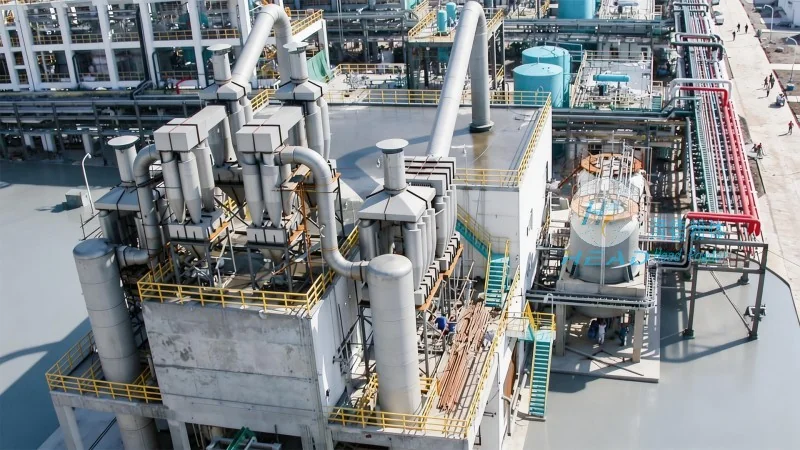
Phenolic Resin Material Handling Systems Overview
Phenolic resin material handling systems are sophisticated equipment designed to efficiently transport and manage phenolic resin, a versatile polymer widely used in various industrial applications. These systems are engineered to handle the specific characteristics of phenolic resin, such as its viscosity, flow properties, and potential for agglomeration, ensuring smooth and continuous operation. The core components of these systems typically include feed hoppers, conveyor mechanisms, control panels, and discharge units, all integrated to form a cohesive unit that optimizes material flow and minimizes downtime.
Key Components and Their Functions
The phenolic resin material handling system consists of several critical components, each playing a vital role in the overall operation. The feed hopper is responsible for receiving and storing the phenolic resin, providing a uniform feed to the conveyor system. This component is often equipped with level sensors to monitor the material inventory and prevent overfilling or underfilling. The conveyor mechanism, which may include screw conveyors, belt conveyors, or pneumatic transport systems, is designed to move the resin from the hopper to the processing or storage areas. The control panel, typically equipped with programmable logic controllers (PLCs) and user-friendly interfaces, allows operators to monitor system performance, adjust parameters, and initiate or stop operations as needed. Finally, the discharge unit ensures that the phenolic resin is released in a controlled manner, preventing spills and maintaining a clean operational environment.
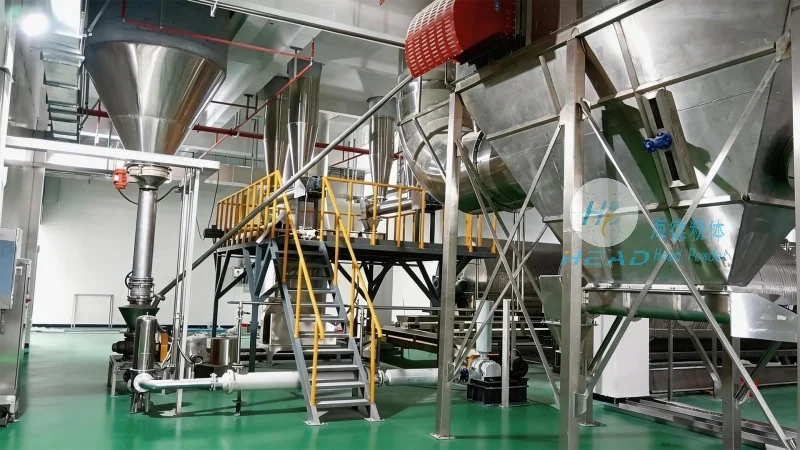
Operation Process: Step-by-Step
The operation of a phenolic resin material handling system follows a systematic process that ensures efficient material transport. The process begins with the loading of phenolic resin into the feed hopper. Once the hopper is filled to the appropriate level, the system's control panel activates the conveyor mechanism. The resin is then transported through the conveyor system, which may involve gradual acceleration to maintain a consistent flow rate. As the resin moves through the system, it may pass through additional components such as mixers or filters, depending on the specific application requirements. The discharge unit then releases the resin into the next stage of processing or storage. Throughout the operation, the system continuously monitors key parameters such as temperature, pressure, and flow rate, adjusting its performance to maintain optimal conditions. This closed-loop control system ensures that the phenolic resin is handled safely and efficiently, minimizing the risk of material degradation or equipment damage.
Working Principle: Mechanisms and Technologies
The working principle of phenolic resin material handling systems is based on the integration of mechanical, electrical, and control technologies to achieve precise material transport. The system operates by converting electrical energy into mechanical energy to drive the conveyor components. The screw conveyor, for example, uses rotating screws to push the resin forward, while the belt conveyor relies on the friction between the resin and the conveyor belt to move it. Pneumatic transport systems utilize compressed air to create a flow of resin through pipes, which is particularly effective for handling fine or powdery materials. The control system, often incorporating sensors and feedback loops, continuously adjusts the system's performance based on real-time data. This dynamic adjustment ensures that the system can adapt to changes in resin properties or operational conditions, maintaining consistent performance. Additionally, the system may incorporate features such as temperature control to prevent resin curing or degradation, and dust suppression mechanisms to maintain a safe working environment.
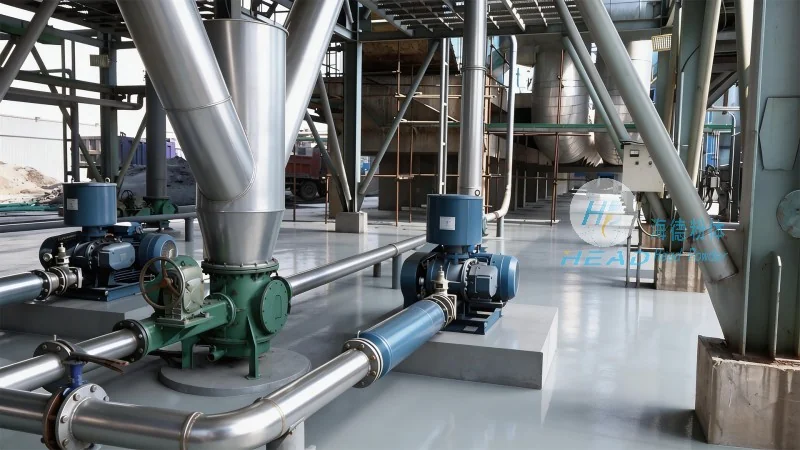
Benefits and Applications
Phenolic resin material handling systems offer numerous benefits to industries that rely on phenolic resin, including enhanced operational efficiency, reduced labor costs, and improved product quality. The systems are designed to handle large volumes of resin with minimal human intervention, allowing for continuous production and reduced downtime. The precise control over material flow ensures that the resin is transported without degradation, maintaining its quality for downstream processing. These systems are widely used in industries such as automotive, aerospace, and construction, where phenolic resin is used in applications like adhesives, composites, and coatings. The reliability and durability of the systems make them suitable for demanding environments, ensuring long-term performance and low maintenance costs.
Conclusion
Phenolic resin material handling systems, as provided by HeadPowder Engineering Co., Ltd., represent a sophisticated solution for the efficient and reliable transport of phenolic resin. By integrating advanced components and control technologies, these systems ensure optimal performance, safety, and efficiency in various industrial applications. With a strong commitment to quality and innovation, HeadPowder continues to deliver tailored solutions that meet the evolving needs of its clients, solidifying its position as a leader in the material handling industry.