

Preventing Dust Leakage in Pneumatic Conveying Systems When Handling Fine Powders
HeadPowder, a leading provider of pneumatic conveying solutions, specializes in addressing challenges related to dust leakage during the transport of fine powders. As a company based in Shandong, China, we understand the critical importance of maintaining a safe and efficient operation in industries where fine powders are handled. This article explores effective strategies to prevent dust leakage in pneumatic conveying systems, ensuring compliance with safety standards and operational efficiency.
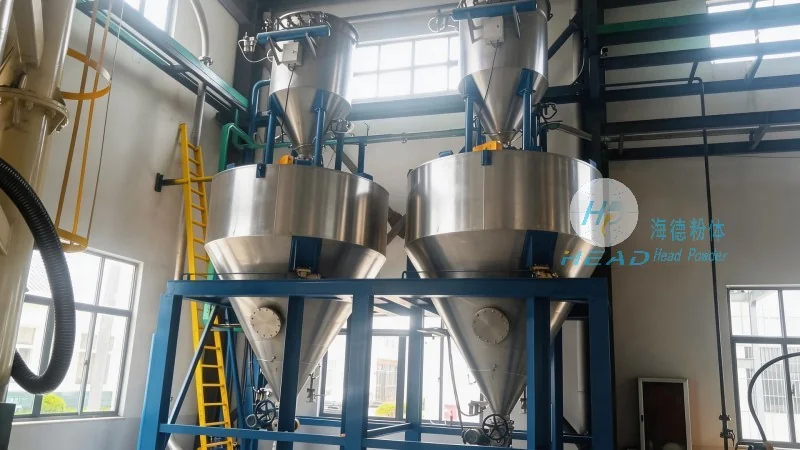
Understanding the Challenges of Dust Leakage in Pneumatic Conveying
Pneumatic conveying systems are widely used in various industries, including chemical, food, and pharmaceutical sectors, for transporting fine powders. However, these systems often face the challenge of dust leakage, which can lead to safety hazards, environmental contamination, and operational inefficiencies. Dust leakage occurs due to several factors, such as inadequate sealing, pressure differentials, and material properties that cause particles to escape from the system. In the context of fine powders, the risk of dust leakage is even higher because these particles are more prone to dispersion and can easily penetrate seals and other components of the conveying system.
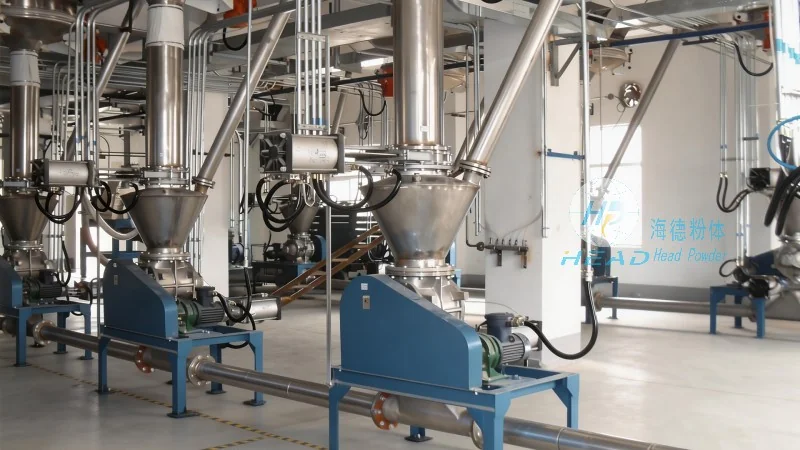
Key Factors Contributing to Dust Leakage in Pneumatic Conveying
Several key factors contribute to dust leakage in pneumatic conveying systems when handling fine powders. First, the nature of fine powders themselves—such as their small particle size, high surface area, and tendency to adhere to surfaces—makes them more likely to escape through gaps and seals. Second, pressure differentials within the system can create pathways for dust to leak out, especially at connection points, valves, and hoppers. Third, the design and maintenance of the conveying system play a crucial role; older systems or those with worn-out components are more susceptible to dust leakage. Additionally, the type of conveying method (e.g., positive pressure vs. negative pressure) can influence the likelihood of dust leakage, as positive pressure systems may exert more force on seals, increasing the risk of failure.
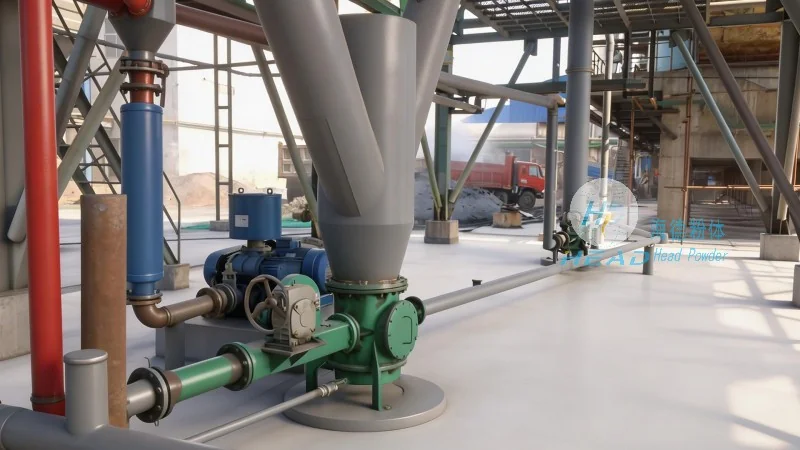
Effective Strategies to Prevent Dust Leakage in Pneumatic Conveying Systems
To mitigate dust leakage in pneumatic conveying systems when handling fine powders, several effective strategies can be implemented. First, proper system design is essential. This includes selecting appropriate sealing technologies, such as double-seal or multi-stage seals, which provide multiple layers of protection against dust escape. For example, using high-quality gaskets and O-rings in connection points can significantly reduce the risk of leakage. Second, regular maintenance and inspection are critical. Routine checks for worn-out components, such as seals, valves, and hoppers, can help identify and address issues before they lead to significant dust leakage. Third, the use of dust collection systems, such as cyclones or bag filters, can capture any escaped dust, preventing it from contaminating the environment and ensuring compliance with environmental regulations. Fourth, material handling practices, such as proper loading and unloading procedures, can minimize the impact of pressure differentials and reduce the risk of dust dispersion. By combining these strategies, companies can effectively prevent dust leakage and maintain a safe and efficient operation.
HeadPowder's Solutions for Dust Leakage Prevention
HeadPowder, with its headquarters in Shandong, China, offers comprehensive solutions to prevent dust leakage in pneumatic conveying systems. Our expertise lies in designing and manufacturing advanced pneumatic conveying equipment tailored to the specific needs of industries handling fine powders. We focus on providing systems with robust sealing mechanisms, such as positive pressure conveying systems equipped with high-performance seals that minimize the risk of dust escape. Our products are designed to handle the unique challenges posed by fine powders, including their tendency to adhere to surfaces and create pressure differentials. Additionally, we provide maintenance services and technical support to ensure that our systems operate at peak efficiency and remain free from dust leakage issues. By partnering with HeadPowder, companies can enhance their operational safety, reduce environmental impact, and improve overall productivity in the handling of fine powders.
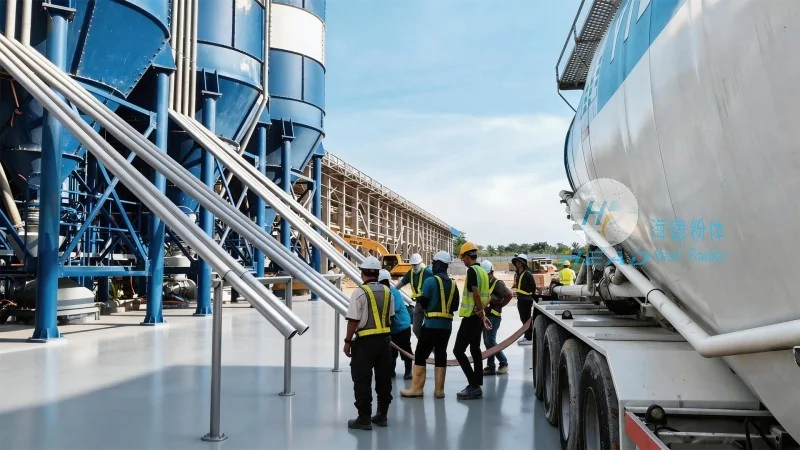
Conclusion
Preventing dust leakage in pneumatic conveying systems when handling fine powders is a critical aspect of maintaining safe and efficient operations. By understanding the key factors contributing to dust leakage and implementing effective strategies, such as proper system design, regular maintenance, and the use of advanced sealing technologies, companies can mitigate these risks. HeadPowder, as a leading provider of pneumatic conveying solutions based in Shandong, China, offers tailored solutions to address these challenges, ensuring that industries can handle fine powders safely and effectively. With our expertise and commitment to quality, we help our clients achieve optimal performance and compliance in their operations.