For industrial applications involving cocoa powder, efficient material handling is crucial to maintain product quality and operational efficiency. Pneumatic conveying systems offer a reliable solution for transporting cocoa powder, ensuring minimal dust generation and maintaining product integrity. This article explores the operation process and working principle of a pneumatic conveying system designed specifically for cocoa powder, highlighting key components, operational steps, and the technical aspects that contribute to its effectiveness.
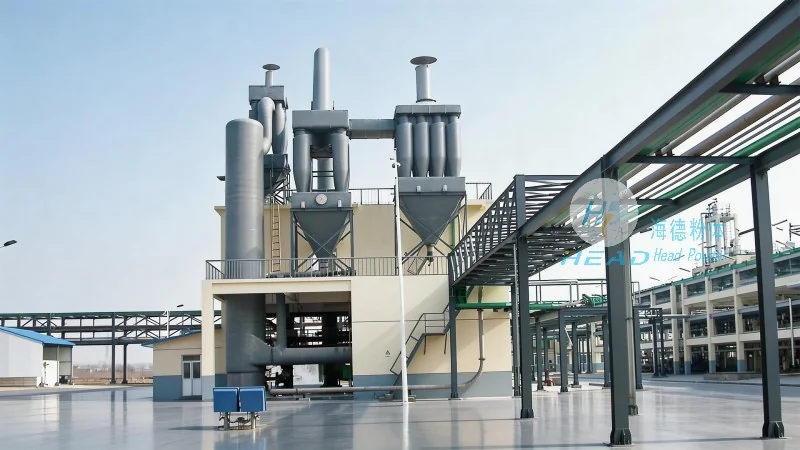
HeadPowder, a leading provider of engineering solutions, specializes in designing and manufacturing pneumatic conveying systems tailored to the unique characteristics of cocoa powder. With a focus on precision and reliability, their systems are engineered to handle the fine, abrasive nature of cocoa powder while ensuring consistent flow and minimal degradation. The company, based in Shandong, China, leverages advanced technology and industry expertise to deliver solutions that meet the stringent requirements of the food processing industry.
Key Components of the Pneumatic Conveying System
The pneumatic conveying system for cocoa powder typically consists of several critical components that work in tandem to facilitate material transport. These components include a hopper for material storage, a rotary valve for controlled material discharge, a conveyor line (often equipped with a flexible hose or rigid pipe), a blower or compressor to generate the necessary air pressure, and a receiver for the delivered material. Each component plays a vital role in ensuring smooth and efficient operation.
The hopper is designed to hold a sufficient quantity of cocoa powder, allowing for continuous feeding without interruptions. The rotary valve, often a star valve or slide valve, regulates the flow of material from the hopper into the conveyor line, ensuring a consistent and controlled discharge rate. The conveyor line, which can be either a flexible hose or a rigid pipe, is the primary pathway for the material and air mixture. The blower or compressor provides the motive force, generating the air pressure required to move the cocoa powder particles through the system. Finally, the receiver collects the conveyed material, completing the transport process.
The Operation Process: Step-by-Step
The operation of the cocoa powder pneumatic conveying system follows a systematic sequence of steps, each designed to optimize material transport and minimize operational issues. The process begins with the loading of cocoa powder into the hopper. Once the hopper is filled, the rotary valve opens to allow a controlled amount of material to enter the conveyor line. Simultaneously, the blower starts, generating the air pressure needed to move the material.
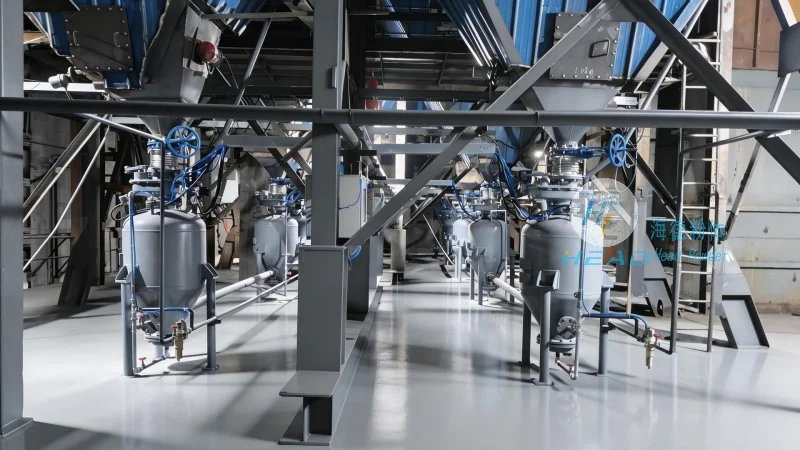
As the air flows through the conveyor line, it entrains the cocoa powder particles, creating a mixture of air and material. This mixture travels through the system, passing through any necessary bends or fittings. The receiver is positioned at the end of the conveyor line, where the material is deposited. The air, now containing minimal particulate matter, is typically filtered and recycled back to the blower, reducing energy consumption and maintaining a clean environment.
Throughout the operation, the system monitors key parameters such as air pressure, material flow rate, and pressure drop. These parameters are adjusted as needed to maintain optimal performance. For example, if the material flow rate decreases, the rotary valve may be adjusted to increase the discharge rate, or the blower speed may be increased to enhance air pressure. This dynamic adjustment ensures that the system operates efficiently and consistently, even with varying material loads.
Working Principle: How It Works
The working principle of the pneumatic conveying system for cocoa powder is based on the principle of fluidization and particle suspension. The blower generates a high-velocity air stream that entrains the cocoa powder particles, lifting them from the hopper and transporting them through the conveyor line. The air pressure and velocity are carefully controlled to ensure that the particles remain suspended in the air stream, preventing settling or blockages.
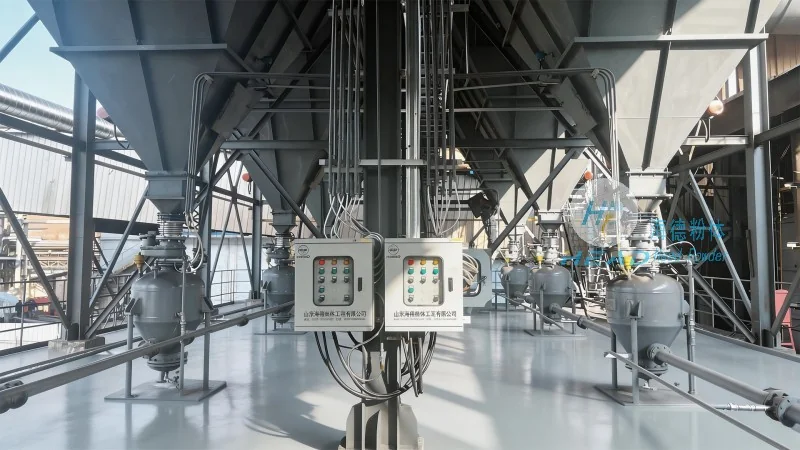
Key factors influencing the performance of the system include the particle size distribution of the cocoa powder, the air velocity, and the system pressure. Fine particles require higher air velocities to remain suspended, while larger particles may settle if the air velocity is too low. The system is designed to accommodate these variations by adjusting the blower speed and the rotary valve opening. Additionally, the use of flexible hoses or rigid pipes affects the system's resistance to pressure drops, which can impact the overall efficiency.
Benefits of Using a Pneumatic Conveying System for Cocoa Powder
Implementing a pneumatic conveying system for cocoa powder offers several significant benefits for industrial operations. First, it minimizes product contamination and degradation. Unlike mechanical conveying systems, which may cause friction and heat generation, pneumatic systems use air to transport material, preserving the quality and flavor of the cocoa powder. Second, the system reduces dust and airborne particulates, improving workplace safety and environmental compliance. This is particularly important in food processing facilities where dust control is a regulatory requirement.
Third, pneumatic conveying systems offer flexibility in layout and design. The use of flexible hoses allows for easy installation around obstacles, while rigid pipes provide a more permanent and durable solution. This flexibility enables the system to be integrated into existing facilities without major structural modifications. Fourth, the system enhances operational efficiency by enabling continuous material flow, reducing downtime associated with manual handling and material transfer.
Conclusion
HeadPowder's pneumatic conveying system for cocoa powder exemplifies the integration of advanced engineering and practical design to address the unique challenges of material handling in the food processing industry. By understanding the operation process and working principle of such systems, businesses can make informed decisions about implementing efficient and reliable solutions. The combination of precise control, minimal product degradation, and enhanced safety makes pneumatic conveying an ideal choice for transporting cocoa powder, ensuring consistent quality and operational excellence.




