

Operation Process and Working Principle of Pneumatic Conveying for Microsphere Powder Materials
HeadPowder, a leading engineering company based in Shandong, China, specializes in the design, manufacturing, and implementation of advanced pneumatic conveying systems for microsphere powder materials. This article provides a detailed overview of the operation process and working principles of such systems, highlighting the technical aspects and practical applications that define their efficiency and reliability.
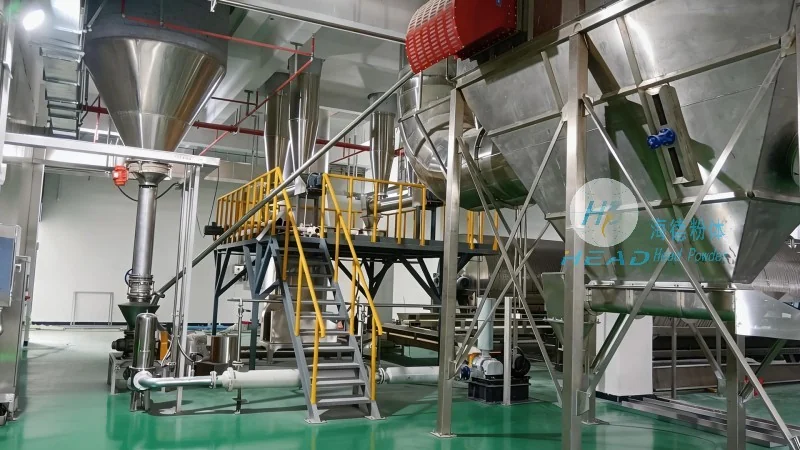
Introduction to Pneumatic Conveying for Microsphere Powders
Pneumatic conveying is a critical technology in material handling, particularly for fine and lightweight powders like microsphere powders. These materials, characterized by their small particle size and low density, require specialized systems to ensure safe, efficient, and cost-effective transportation. The systems developed by HeadPowder Engineering Co., Ltd. leverage advanced engineering principles to address the unique challenges posed by microsphere powders, such as particle agglomeration, air resistance, and material flow control.
Company Overview: HeadPowder Engineering Co., Ltd.
HeadPowder Engineering Co., Ltd. is a professional manufacturer and supplier of pneumatic conveying equipment based in Shandong, China. With years of experience in the industry, the company has established itself as a trusted partner for businesses seeking reliable solutions for powder handling. The company’s commitment to innovation, quality, and customer satisfaction has enabled it to deliver tailored systems that meet the specific needs of various industries, including pharmaceuticals, food processing, and chemical manufacturing.
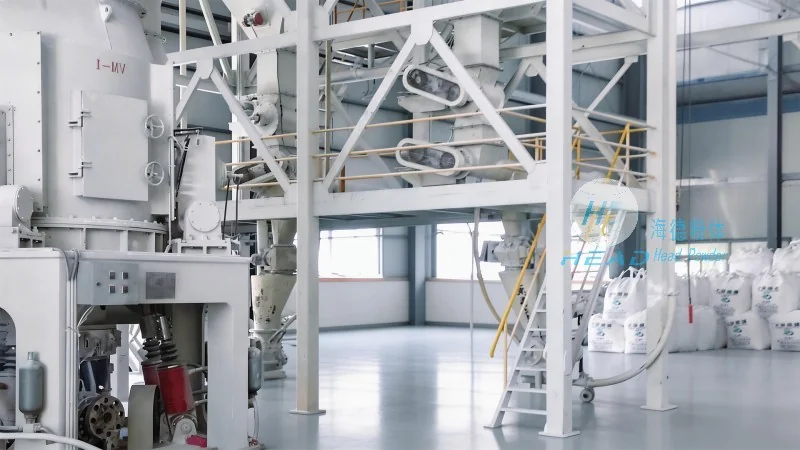
Key Components of a Pneumatic Conveying System for Microsphere Powders
The pneumatic conveying system for microsphere powders typically consists of several key components, each playing a crucial role in the overall operation. These components include the hopper or feeder, the air compressor or blower, the conveying line, the control system, and the discharge equipment. Each component is carefully designed to ensure optimal performance and minimal downtime.
The Operation Process: Step-by-Step
The operation of a pneumatic conveying system for microsphere powders involves a series of coordinated steps that ensure the smooth and continuous movement of the material. The process begins with the material being fed into the hopper, where it is stored and prepared for transport. The feeder then regulates the flow of the powder into the conveying line, ensuring a consistent and controlled feed rate. Simultaneously, the air compressor or blower generates the necessary air pressure to move the material through the line. The air and powder mixture travels through the conveying line, with the microsphere particles suspended in the air stream. The system then uses appropriate control mechanisms to regulate the air flow and pressure, maintaining the optimal conditions for conveying. Finally, the material is discharged at the destination point, where it is collected and used as required.
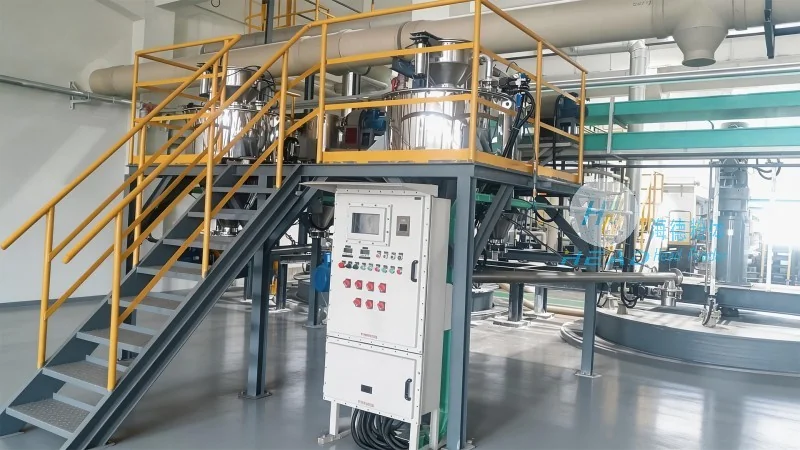
Working Principle: How It Works
The working principle of a pneumatic conveying system for microsphere powders is based on the principle of fluidization and suspension. The air compressor or blower provides the necessary air pressure to create a fluidized bed of the microsphere particles within the conveying line. The particles are then suspended in the air stream, allowing them to be transported efficiently. The system uses a combination of positive and negative pressure to control the flow of the material, ensuring that the particles remain in suspension and do not settle or agglomerate. The control system monitors the pressure, flow rate, and other parameters to maintain the optimal operating conditions, preventing issues such as blockages or material loss.
Advantages of Pneumatic Conveying for Microsphere Powders
Pneumatic conveying systems offer several advantages over traditional methods for handling microsphere powders. These include reduced material degradation due to minimal contact with equipment, improved safety by eliminating the need for manual handling, and increased efficiency through automated control systems. Additionally, the systems are highly flexible, allowing for easy integration with existing production lines and the ability to handle a wide range of particle sizes and materials. The use of advanced materials and design in the systems developed by HeadPowder Engineering Co., Ltd. further enhances their performance and durability.
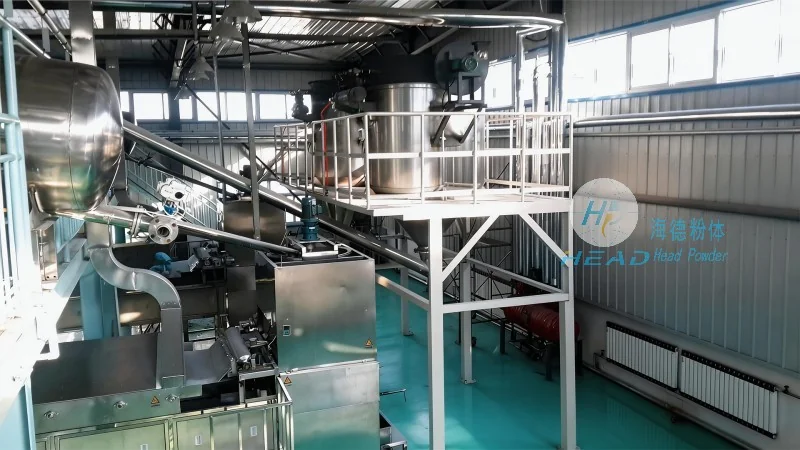
Application Examples and Industry Use Cases
The pneumatic conveying systems for microsphere powders are widely used in various industries, including pharmaceuticals, food processing, and chemical manufacturing. In the pharmaceutical industry, these systems are used to transport active pharmaceutical ingredients (APIs) and other fine powders, ensuring that the materials are handled in a sterile and controlled environment. In the food processing industry, the systems are used to convey ingredients such as flour, sugar, and other microsphere powders, maintaining the quality and safety of the products. In the chemical industry, the systems are used to handle various chemical powders, including catalysts and reagents, ensuring that the materials are transported safely and efficiently.
Conclusion and Future Developments
HeadPowder Engineering Co., Ltd. continues to innovate and improve its pneumatic conveying systems for microsphere powders, focusing on enhancing efficiency, reliability, and sustainability. The company’s commitment to research and development ensures that its systems remain at the forefront of the industry, meeting the evolving needs of its customers. As the demand for efficient and safe powder handling solutions grows, the company is well-positioned to provide cutting-edge solutions that drive industrial progress.