

What is a Graphite Powder Pneumatic Conveying Line? And What Are Its Design Principles?
Graphite powder is widely used in various industrial applications due to its unique properties, such as high thermal conductivity, electrical conductivity, and chemical stability. However, handling and transporting this fine powder efficiently and safely presents significant challenges. A pneumatic conveying system, specifically designed for graphite powder, offers an effective solution to these challenges. This article explores the concept of a graphite powder material pneumatic conveying line and delves into its fundamental design principles.
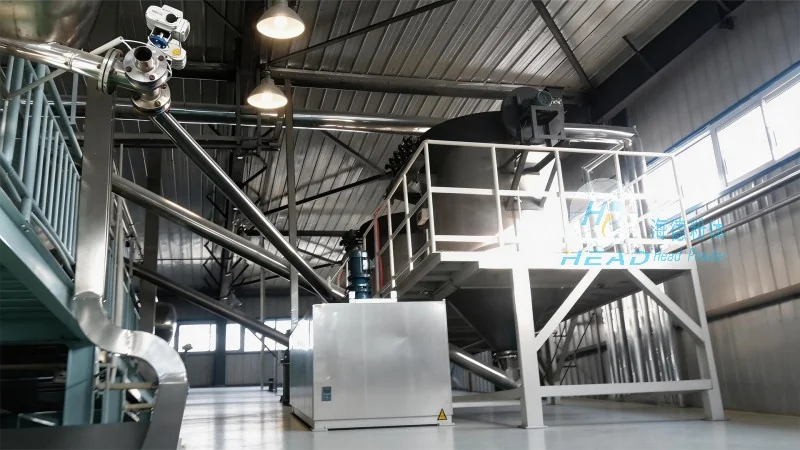
Understanding the Graphite Powder Pneumatic Conveying System
A graphite powder pneumatic conveying line is a system that uses compressed air or other gas to transport dry powder materials, including graphite powder, from one location to another. This method eliminates the need for mechanical components like belts or buckets, which can be prone to wear and tear or cause contamination. The system typically consists of several key components, including a hopper for material storage, a feeder to control the flow rate, a conveying pipe network, and a receiver for the delivered material. The entire process relies on the principle of fluidization, where the powder is suspended in the gas stream and carried through the pipes.
Key Design Principles for Graphite Powder Pneumatic Conveying
The design of a graphite powder pneumatic conveying system must consider several critical factors to ensure optimal performance and reliability. First, the system must handle the specific properties of graphite powder, which can be abrasive and have a tendency to agglomerate. This requires the use of materials that are resistant to wear and corrosion, such as stainless steel or special alloys, for the conveying pipes and components. Second, the air velocity and pressure must be carefully controlled to prevent particle segregation and ensure uniform flow. High air velocities can cause excessive pressure drops and energy consumption, while low velocities may lead to blockages or material deposition. Third, the system must incorporate features to prevent dust emissions and maintain a clean environment, as graphite powder is a fine particulate that can be hazardous if inhaled. This includes dust collection systems and sealed components.
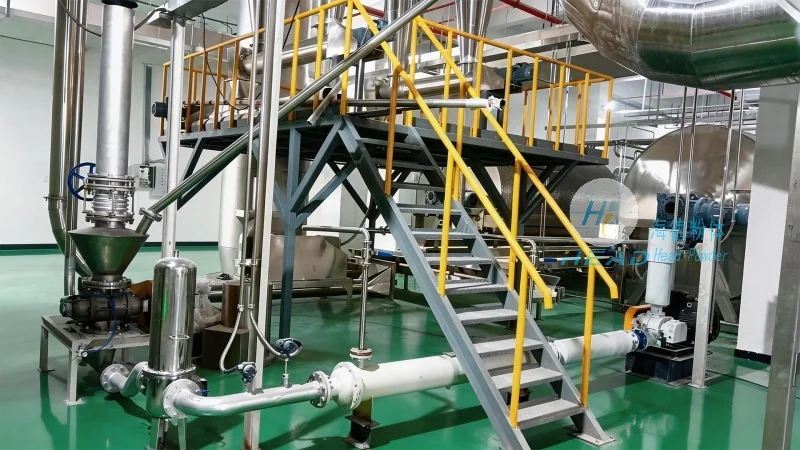
Components and Their Functions in the Conveying Line
The core components of a graphite powder pneumatic conveying line work in tandem to achieve efficient material transport. The hopper serves as the initial storage container, allowing for a continuous feed of graphite powder. The feeder, often a rotary valve or a mass flow controller, regulates the flow rate to match the conveying requirements. The conveying pipes are designed with smooth, internal surfaces to minimize friction and prevent particle buildup. The system may include bends and elbows that are carefully angled to avoid pressure losses and ensure smooth material flow. The receiver, typically a storage tank or a processing unit, collects the delivered graphite powder. Additionally, the system may include a filter or a cyclone separator to remove any entrained powder from the exhaust air, preventing environmental contamination and maintaining system efficiency.
Advantages of Using a Pneumatic Conveying System for Graphite Powder
Implementing a pneumatic conveying system for graphite powder offers numerous advantages over traditional mechanical conveying methods. One of the primary benefits is the ability to transport the material in a closed system, which prevents contamination from external sources and reduces dust emissions. This is particularly important in industries where graphite powder is used in food, pharmaceutical, or electronic applications, where purity is critical. Another advantage is the flexibility of the system, as it can be easily adapted to different production volumes and layouts. The system can handle both short and long-distance transport, making it suitable for various industrial settings. Furthermore, the lack of moving parts reduces maintenance requirements and extends the system's operational life. This leads to lower long-term costs and increased reliability compared to systems with mechanical components.
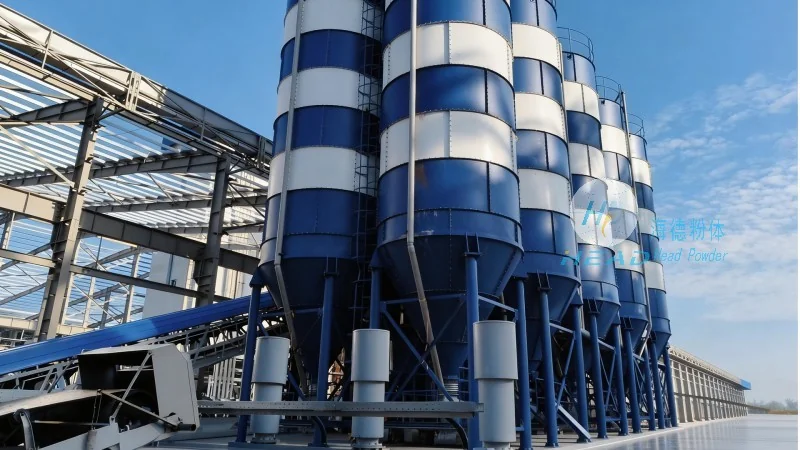
Considerations for System Sizing and Performance
When designing a graphite powder pneumatic conveying system, several factors must be considered to ensure optimal performance. The first is the material's properties, such as particle size, density, and flowability. These characteristics affect the air velocity and pressure required for effective transport. For example, finer graphite particles may require higher air velocities to maintain suspension. The second is the distance and elevation change between the source and destination. Longer distances or higher elevations increase the pressure drop and energy consumption, necessitating a more powerful blower or compressor. The third is the system's capacity, which must be matched to the production rate of the graphite powder. An undersized system will result in bottlenecks and reduced efficiency, while an oversized system will waste energy and increase costs. Proper sizing involves calculating the required air volume and pressure based on the material's characteristics and the system's layout.
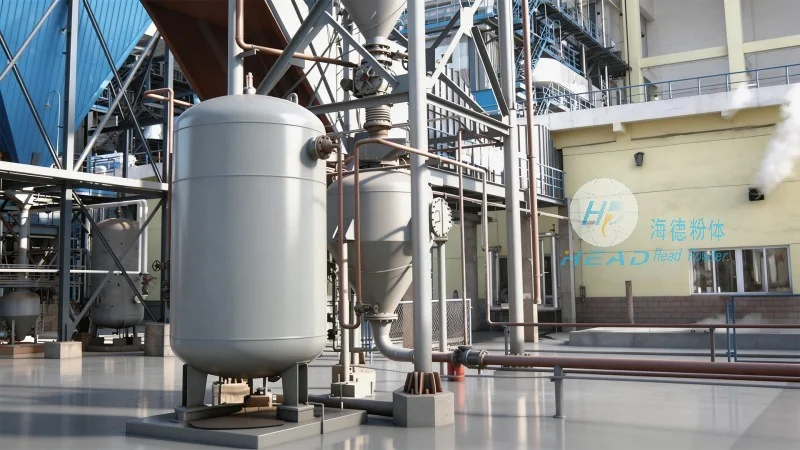
Maintenance and Operational Tips for Longevity
To ensure the longevity and efficiency of a graphite powder pneumatic conveying system, regular maintenance and proper operation are essential. The system should be inspected regularly for signs of wear or damage, such as rust or corrosion on the pipes or components. The air filter and dust collection system should be cleaned or replaced as needed to maintain air quality and prevent blockages. The feeder and hopper should be checked for material buildup or clogging, which can affect the flow rate and cause system inefficiencies. It is also important to monitor the air pressure and velocity during operation to ensure they remain within the optimal range. Adjustments may be necessary if the system is not performing as expected. Additionally, training operators on proper system operation and maintenance can help prevent issues and extend the system's lifespan. By following these guidelines, the system can operate efficiently for many years, providing reliable transport of graphite powder.
Conclusion
A graphite powder material pneumatic conveying line is a sophisticated system designed to handle the unique challenges of transporting fine, abrasive materials like graphite powder. Its design principles focus on fluidization, material compatibility, and efficient energy use. By incorporating components such as hoppers, feeders, conveying pipes, and receivers, the system ensures safe and effective transport while minimizing contamination and dust emissions. The advantages of using such a system include improved product purity, flexibility, and reduced maintenance compared to traditional methods. Proper system sizing and regular maintenance are crucial for optimal performance and longevity. For industries relying on graphite powder, investing in a well-designed pneumatic conveying system is a strategic decision that enhances operational efficiency and product quality.