

What is Bulk Material Handling in Grain Silos? And What Are the Design Principles?
When it comes to managing bulk materials in grain storage facilities, the efficiency and reliability of powder handling systems are critical. This article explores the fundamental aspects of bulk material handling in grain silos, focusing on the underlying design principles that ensure smooth, safe, and effective transport of powders such as grains, flour, and other agricultural products.
Understanding the Core Concepts of Silo Powder Transport
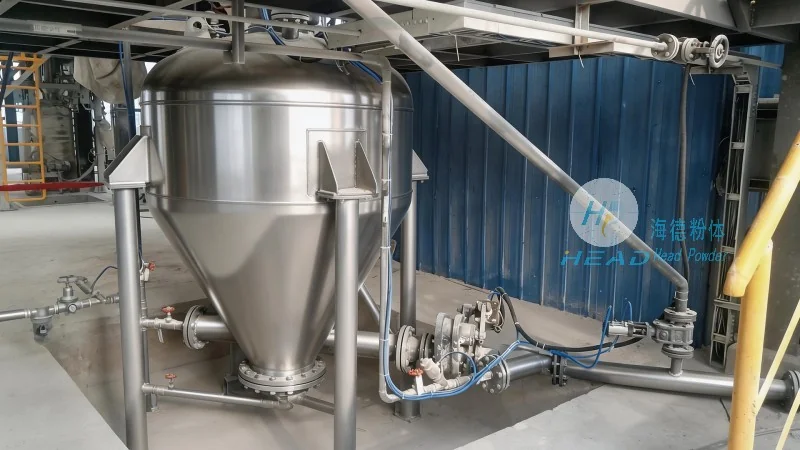
Bulk material handling in grain silos refers to the process of moving large quantities of granular or powdery materials within storage structures. These systems are designed to transfer materials from storage bins to processing areas, or between different storage locations, with minimal loss and maximum operational efficiency. The primary goal is to maintain the integrity of the material, prevent contamination, and optimize the overall workflow in grain storage operations.
Key Design Principles for Efficient Powder Handling Systems
The design principles for silo powder handling systems are built on several key factors that ensure optimal performance. First, the system must be able to handle the specific physical properties of the material, including its density, flowability, and potential for caking or agglomeration. Engineers must consider how the material behaves under different conditions, such as moisture levels or temperature changes, to prevent blockages or equipment damage.
Second, the design emphasizes energy efficiency and operational cost reduction. Modern systems often incorporate advanced control technologies, such as variable frequency drives (VFDs), to adjust motor speeds based on the load, reducing energy consumption while maintaining consistent material flow. Additionally, the use of high-quality materials for components, like stainless steel or corrosion-resistant alloys, extends the lifespan of the equipment and minimizes maintenance costs.
Third, safety and compliance are paramount. Silo transport systems must adhere to industry standards and regulations to protect workers and the environment. This includes features like dust suppression systems, emergency stop mechanisms, and proper ventilation to prevent dust explosions or inhalation hazards. The design also considers the structural integrity of the silo and the surrounding infrastructure, ensuring that the transport system does not compromise the overall safety of the facility.
Components and Technologies in Modern Silo Transport Solutions
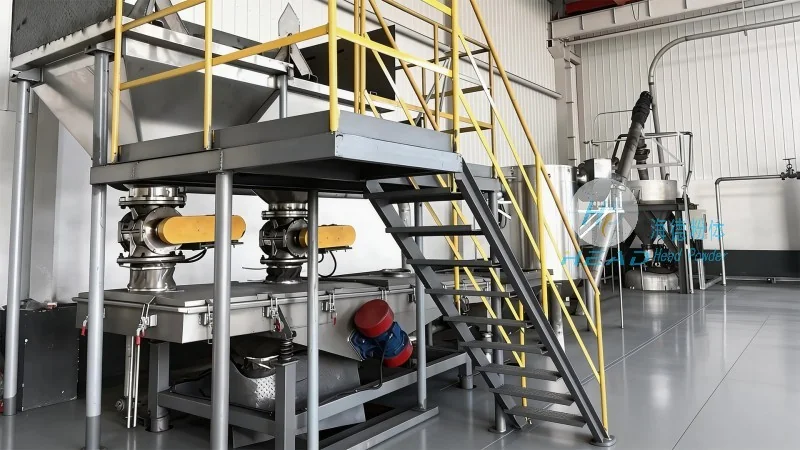
Modern bulk material handling systems in grain silos typically consist of several key components. The primary elements include hoppers, which are used to feed material into the transport equipment, and conveyors, such as screw conveyors, pneumatic conveyors, or bucket elevators, which move the material vertically or horizontally. Hoppers are designed with specific angles and shapes to promote material flow and prevent bridging or arching, which can cause blockages.
Pneumatic conveyors, in particular, are widely used for their ability to handle fine powders and minimize material degradation. These systems use air pressure to transport material through a network of pipes, allowing for flexible routing and integration with other processing equipment. Screw conveyors, on the other hand, are suitable for bulkier materials and provide continuous, low-speed transport with minimal noise and vibration.
Advanced control systems are also integral to modern silo transport solutions. These systems use sensors and feedback mechanisms to monitor the flow rate, pressure, and temperature of the material, adjusting the operation of the equipment in real-time. This not only improves efficiency but also enhances safety by detecting potential issues before they become critical. Additionally, the integration of automation and robotics can further streamline operations, reducing the need for manual intervention and improving consistency.
Application Scenarios and Practical Considerations
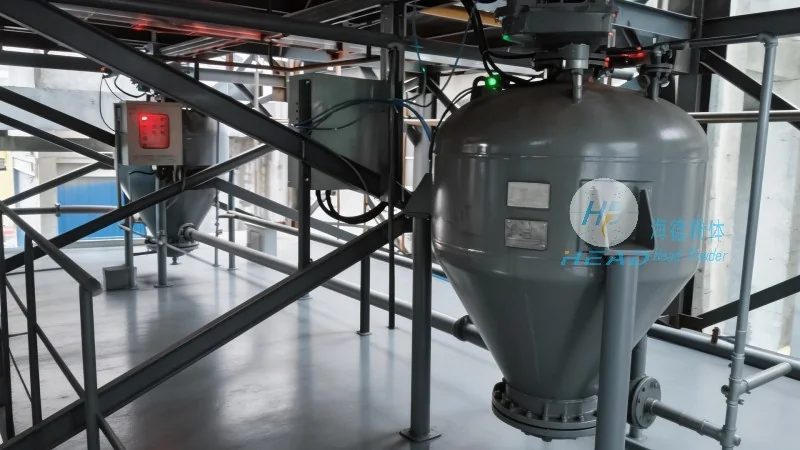
The application of bulk material handling systems varies depending on the specific needs of the grain storage facility. For example, in large-scale commercial operations, the system may need to handle thousands of tons of material per day, requiring high-capacity conveyors and robust control systems. In contrast, smaller agricultural facilities may use more compact systems that are easier to install and maintain.
Practical considerations also include the space available for the system, the layout of the storage facility, and the type of material being handled. Engineers must carefully plan the placement of hoppers, conveyors, and other components to ensure smooth material flow and minimize the risk of cross-contamination. Additionally, the system must be adaptable to changes in production volume or material types, allowing for future expansion or modification without significant disruption.
Another important factor is the maintenance and upkeep of the system. Regular inspections and preventive maintenance are essential to ensure the long-term reliability of the equipment. This includes checking for wear and tear on components, cleaning the system to prevent dust buildup, and replacing parts as needed. By investing in proper maintenance, facilities can extend the lifespan of their silo transport systems and avoid costly downtime.
About Shandong HeadPowder Engineering Co., Ltd.
Shandong HeadPowder Engineering Co., Ltd., a leading provider of bulk material handling solutions, specializes in designing and manufacturing efficient and reliable systems for grain silos. With years of experience in the industry, the company understands the unique challenges of powder handling and has developed innovative solutions to address them. HeadPowder's systems are built with high-quality materials and advanced technologies, ensuring optimal performance and durability. The company's commitment to customer satisfaction and technical excellence has made it a trusted partner for grain storage facilities worldwide.