

What is a Potassium Hydroxide Pneumatic Conveying System? And What Are Its Design Principles?
For industrial applications involving the handling of potassium hydroxide (KOH), a specialized system known as a pneumatic conveying system is often employed. This technology offers an efficient and safe method for transporting KOH from one location to another within a facility. The following article provides an in-depth look at the equipment used in such systems and the underlying design principles that ensure their effectiveness and reliability.
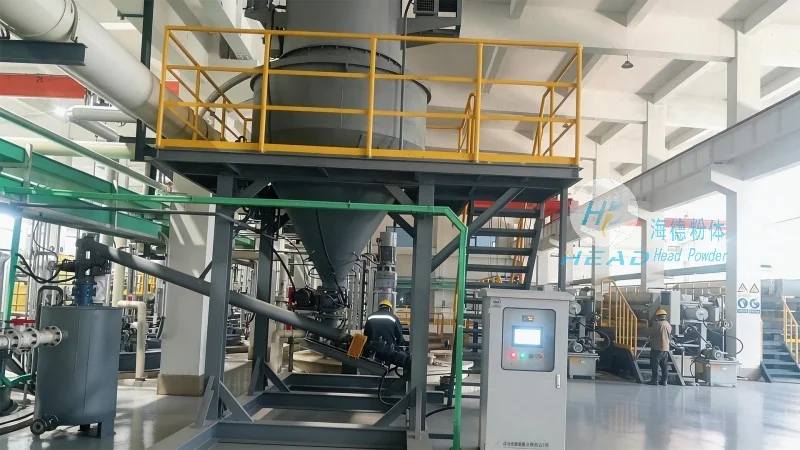
Introduction to Potassium Hydroxide Pneumatic Conveying Systems
Potassium hydroxide is a strong alkaline chemical widely used in various industries, including chemical manufacturing, pharmaceuticals, and food processing. Due to its corrosive nature and the need for precise handling, traditional methods like bucket elevators or belt conveyors may not be suitable. Pneumatic conveying systems provide a solution by using air or other gases to transport the material in a closed or semi-closed system. This approach minimizes exposure to the environment and reduces the risk of contamination or spillage. The system typically consists of a hopper, a conveyor line, and a receiver, all connected by a network of pipes and valves.
Key Components of a Potassium Hydroxide Pneumatic Conveying System
The effectiveness of a KOH pneumatic conveying system depends on several critical components that work in harmony to ensure smooth operation. The primary components include:
1. Hopper: This is the storage vessel where the potassium hydroxide is initially held. It is designed to be compatible with the chemical's properties, often made from corrosion-resistant materials such as stainless steel or specialized polymers. The hopper is equipped with a discharge valve that controls the flow of material into the conveyor line.
2. Air Supply System: Compressors or blowers generate the necessary air pressure to move the material through the system. The air supply is regulated to maintain consistent flow rates and prevent pressure fluctuations that could affect the conveying efficiency. The system may also include filters to ensure the air is clean and free from contaminants that could damage the equipment or affect the quality of the KOH.
3. Conveying Line: The pipeline through which the KOH and air mixture travels. The line is usually made from materials resistant to alkaline chemicals, such as PTFE-coated steel or high-density polyethylene. The diameter and length of the line are carefully selected based on the material's properties and the required conveying distance. To maintain the flow, the line may include bends, elbows, and expansion joints that are designed to minimize pressure losses.
4. Receiver: The final storage or processing vessel where the potassium hydroxide is deposited. Like the hopper, the receiver is constructed from corrosion-resistant materials and is equipped with a discharge valve for controlled release. It may also include a dust collection system to capture any fine particles that could escape during the conveying process.
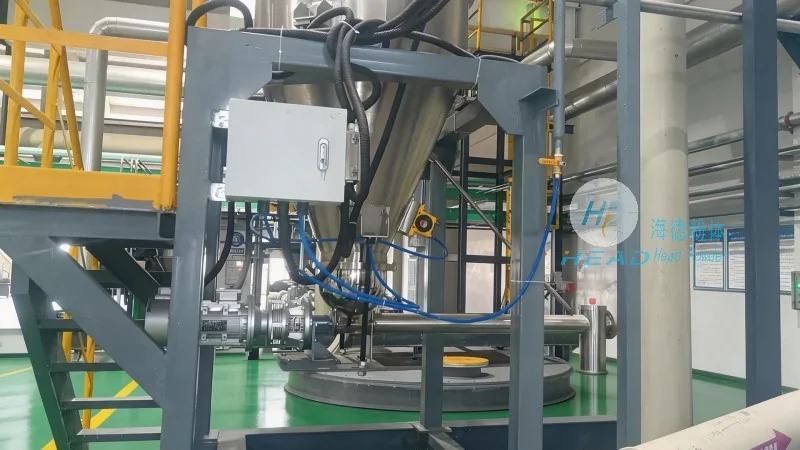
5. Control System: A sophisticated control panel that monitors and regulates the operation of the entire system. This includes sensors for pressure, flow rate, and level, as well as valves and actuators that adjust the air supply and material flow as needed. The control system ensures that the conveying process is optimized for efficiency and safety, preventing over-pressurization or under-pressurization that could lead to system failures.
Design Principles for Optimal Performance
The design of a potassium hydroxide pneumatic conveying system is based on several key principles that ensure it operates efficiently and safely. These principles are tailored to the specific characteristics of KOH, such as its density, flowability, and reactivity.
First, the system must maintain a consistent air-to-material ratio. This ratio is crucial for achieving the desired conveying velocity and preventing material deposition or blockages in the pipeline. The design typically involves calculating the required air volume based on the material's bulk density and the length of the conveyor line. Adjustments are made during operation to account for variations in material moisture or temperature.
Second, the system must consider the material's flow properties. KOH is a free-flowing powder under normal conditions, but it can become cohesive or sticky when exposed to moisture or heat. The design incorporates features such as vibration or agitation to maintain the material's flowability. The hopper and receiver are often equipped with internal liners or coatings that prevent material buildup and reduce the risk of clogging.
Third, the system must address the chemical compatibility of the components. KOH is a strong alkali that can corrode many common materials, including steel and certain plastics. The design specifies the use of corrosion-resistant materials, such as 316L stainless steel or PTFE, for all parts that come into direct contact with the chemical. This ensures the longevity of the equipment and prevents contamination from leaching into the material.
Fourth, the system must incorporate safety features to protect personnel and the environment. This includes pressure relief valves to prevent over-pressurization, explosion-proof components for areas with potential ignition sources, and dust collection systems to minimize airborne particles. The control system may also include emergency stop buttons and alarms to alert operators of any abnormalities in the conveying process.
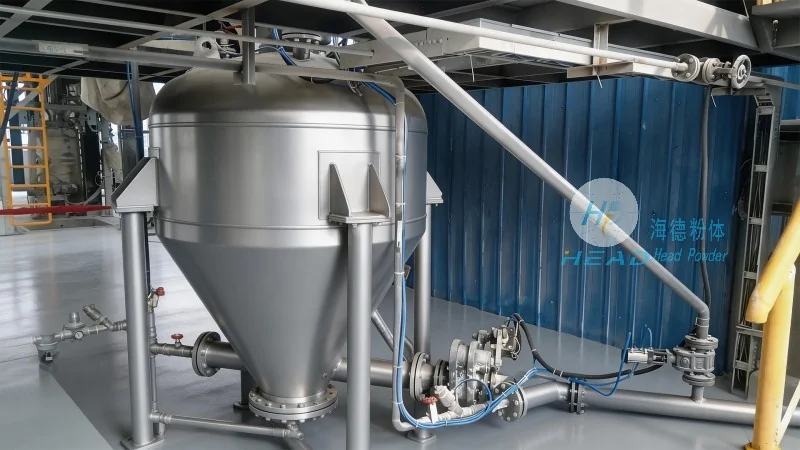
Applications and Benefits of Potassium Hydroxide Pneumatic Conveying Systems
Potassium hydroxide pneumatic conveying systems are widely used in various industrial applications due to their advantages over traditional methods. Some of the key benefits include:
1. Efficiency and Speed: Pneumatic conveying allows for rapid and continuous transport of KOH, reducing downtime and increasing overall productivity. The system can handle high volumes of material with minimal labor requirements.
2. Safety and Environmental Protection: The closed system design minimizes exposure to the chemical, reducing the risk of skin contact or inhalation of dust. It also prevents environmental contamination from spills or leaks.
3. Flexibility and Versatility: The system can be easily reconfigured to handle different material types or to change the conveying route. This flexibility makes it suitable for various industrial settings, from small-scale laboratories to large-scale manufacturing plants.
4. Cost-Effectiveness: Although the initial investment in a pneumatic conveying system may be higher than traditional methods, the long-term benefits, such as reduced maintenance costs and increased efficiency, make it a cost-effective solution for handling KOH.
Conclusion
Potassium hydroxide pneumatic conveying systems are essential equipment for industries that handle this strong alkaline chemical. The design and components of these systems are carefully engineered to ensure efficient, safe, and reliable transport of KOH. By adhering to the design principles outlined above, manufacturers can achieve optimal performance and minimize the risks associated with handling this hazardous material. As a leading provider of such systems, Shandong HeadPowder Engineering Co., Ltd. specializes in designing and manufacturing customized solutions tailored to the specific needs of their clients, ensuring that the equipment meets the highest standards of quality and safety.