

Operation Process and Working Principle of Air-Pneumatic Conveying for Calcium Carbide Slag Material
Calcium carbide slag, a byproduct generated during the production of calcium carbide, poses significant challenges in handling and disposal due to its high moisture content, abrasive nature, and potential environmental hazards. Traditional handling methods such as belt conveyors or bucket elevators often face issues like material clogging, equipment wear, and inefficient transport. To address these challenges, air-pneumatic conveying technology has emerged as a reliable solution for the efficient and safe transportation of calcium carbide slag. This article delves into the operation process and working principle of air-pneumatic conveying systems specifically designed for calcium carbide slag materials, highlighting the technical aspects and practical applications.
Understanding Air-Pneumatic Conveying Systems
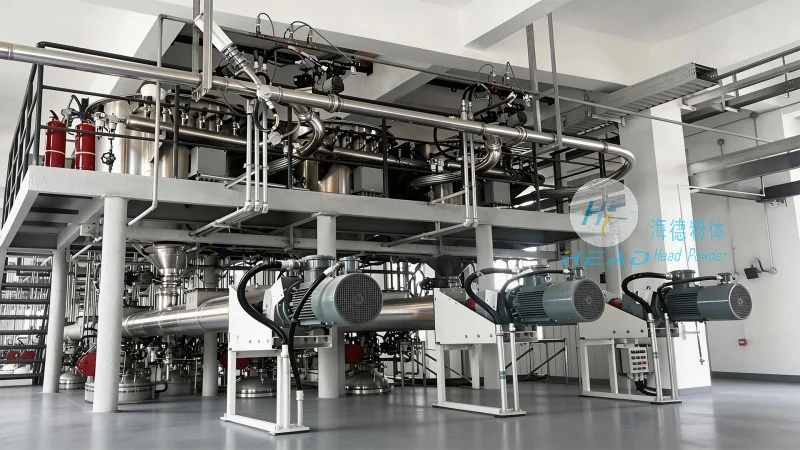
At the core of air-pneumatic conveying is the use of a pressurized or vacuum air stream to transport bulk materials through a pipeline. The system typically consists of a material feed hopper, a conveying pipeline, a dust collection system, and a discharge outlet. The operation relies on the principle of fluidization, where the air stream creates a suspension of the solid particles, allowing them to be moved along the pipeline with minimal friction and mechanical wear. This method is particularly advantageous for handling abrasive and moisture-rich materials like calcium carbide slag, as it eliminates the need for direct contact between the material and the conveying equipment.
Key Components of Calcium Carbide Slag Air-Pneumatic Conveying Systems
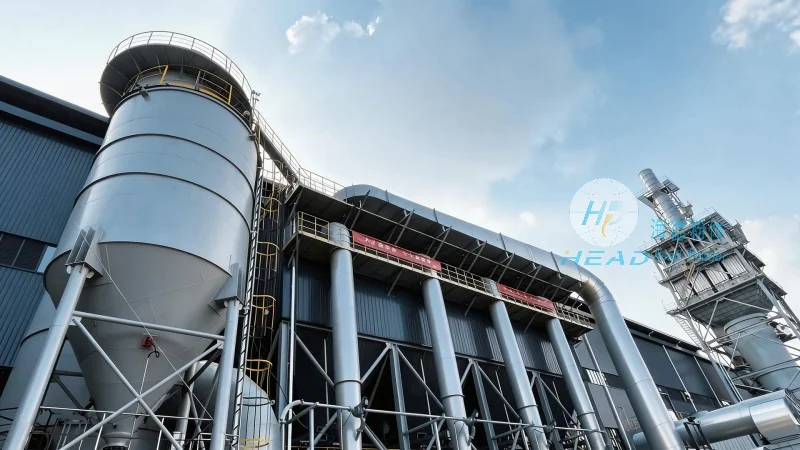
The effectiveness of an air-pneumatic conveying system for calcium carbide slag depends on several critical components that work in tandem to ensure smooth operation. The material feed hopper is designed to store and feed the slag into the conveying pipeline at a controlled rate, preventing overloading and maintaining consistent flow. The pipeline itself is constructed from durable materials such as stainless steel or special alloys to withstand the abrasive nature of the slag and resist corrosion from moisture. A vacuum or pressure blower provides the necessary air flow, with adjustable pressure settings to optimize conveying efficiency based on the material's characteristics and pipeline length. Additionally, a dust collection system, often integrated with a cyclone separator or bag filter, captures fine particles and prevents air pollution, ensuring compliance with environmental regulations.
Operation Process of Air-Pneumatic Conveying for Calcium Carbide Slag
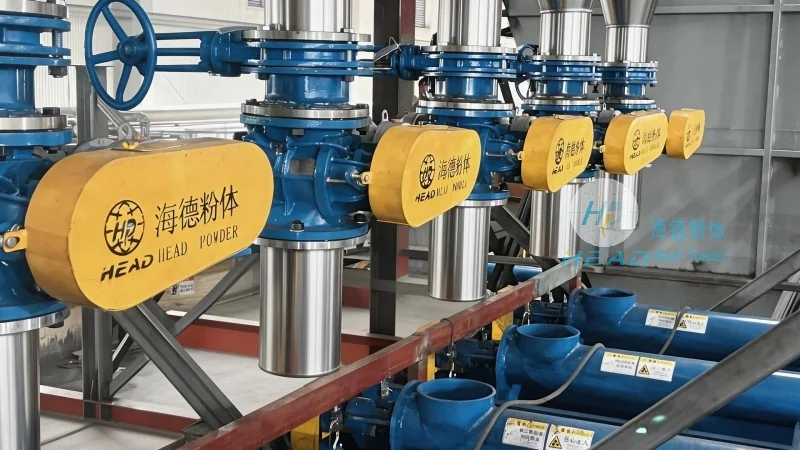
The operation process of an air-pneumatic conveying system for calcium carbide slag involves several sequential steps. First, the calcium carbide slag is fed into the material hopper from the storage silo or processing plant. The hopper is equipped with a feeder mechanism, such as a rotary valve or screw feeder, which regulates the flow rate of the material into the conveying pipeline. As the material enters the pipeline, the air blower generates a high-velocity air stream that lifts and suspends the slag particles. The air stream carries the material through the pipeline to the discharge point, which may be a storage silo, processing unit, or disposal site. The system is designed to maintain a consistent air flow and material velocity to prevent clogging and ensure efficient transport. During operation, the system continuously monitors pressure, flow rate, and material level to detect any anomalies and adjust parameters accordingly. This real-time monitoring ensures optimal performance and minimizes downtime.
Working Principle of Air-Pneumatic Conveying for Calcium Carbide Slag
The working principle of air-pneumatic conveying for calcium carbide slag is based on the interaction between the air stream and the solid particles. When the air blower creates a high-velocity air flow, it generates a low-pressure zone within the pipeline, which draws the slag particles into the air stream. The air stream then suspends the particles, moving them along the pipeline with the air. The key to efficient conveying is achieving a proper air-to-material ratio, which balances the velocity of the air stream with the size and density of the slag particles. If the air flow is too low, the particles may settle and cause clogging; if it is too high, energy consumption increases without improving conveying efficiency. For calcium carbide slag, which is typically fine and abrasive, the system is optimized to maintain a stable suspension, minimizing particle separation and equipment wear. The principle also ensures that the material is transported without direct contact with the pipeline walls, reducing friction and wear on both the material and the equipment.
Advantages of Air-Pneumatic Conveying for Calcium Carbide Slag
Compared to traditional conveying methods, air-pneumatic conveying offers several advantages for handling calcium carbide slag. Firstly, it eliminates the need for mechanical components such as belts or buckets that are prone to wear and clogging in abrasive materials. This reduces maintenance costs and increases system reliability. Secondly, the system is highly flexible, allowing for changes in material flow rate and pipeline configuration without significant modifications. Thirdly, it provides a dust-free and enclosed transport environment, which improves safety and reduces environmental impact. Additionally, air-pneumatic conveying can handle materials with high moisture content, as the air stream helps to dry and fluidize the material, preventing clumping and ensuring consistent flow. These advantages make air-pneumatic conveying an ideal solution for the efficient and safe transport of calcium carbide slag in industrial settings.
Application Examples and Case Studies
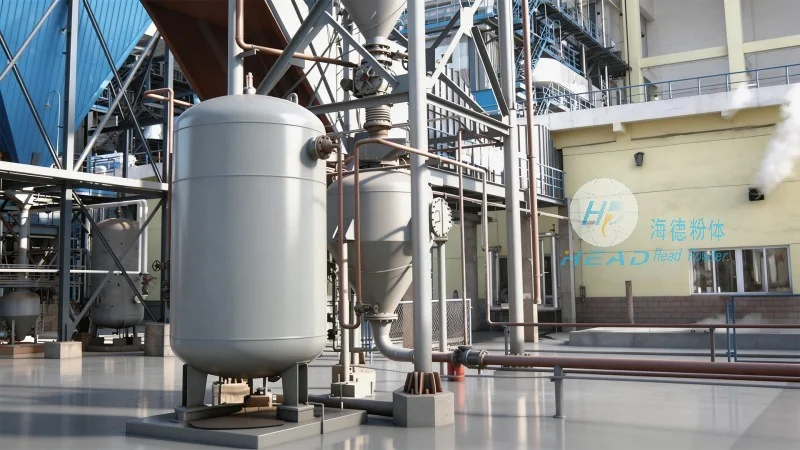
HeadPowder Engineering Co., Ltd., a leading provider of bulk material handling solutions, has successfully implemented air-pneumatic conveying systems for calcium carbide slag in various industrial applications. One notable case involves a calcium carbide production plant in Shandong, China, where the company installed a custom-designed system to transport slag from the production line to a disposal site. The system, equipped with stainless steel pipelines and a high-efficiency dust collection unit, achieved a conveying capacity of 50 tons per hour while maintaining low energy consumption and minimal equipment wear. The plant reported significant improvements in operational efficiency and reduced downtime due to the reliable performance of the air-pneumatic conveying system. Another application involved a recycling facility that used the system to transport calcium carbide slag to a processing unit for further treatment. The system's flexibility allowed for integration with existing infrastructure, and the enclosed transport ensured compliance with local environmental regulations. These case studies demonstrate the effectiveness and adaptability of air-pneumatic conveying systems for calcium carbide slag handling.
Conclusion and Future Outlook
Air-pneumatic conveying technology represents a cutting-edge solution for the efficient and safe transportation of calcium carbide slag materials. By leveraging the principles of fluidization and air suspension, these systems address the unique challenges posed by calcium carbide slag, including its abrasive nature and high moisture content. The operation process, which involves controlled material feeding, air flow management, and real-time monitoring, ensures consistent and reliable transport. The working principle, centered on achieving the optimal air-to-material ratio, minimizes equipment wear and maximizes conveying efficiency. As industrial demands for sustainable and efficient waste management increase, air-pneumatic conveying systems will continue to play a crucial role in handling calcium carbide slag and other similar materials. HeadPowder Engineering Co., Ltd., with its expertise in bulk material handling, remains committed to providing innovative solutions that meet the evolving needs of the industry, ensuring safe, efficient, and environmentally responsible transport of calcium carbide slag in industrial applications.