

Operation Process and Working Principle of Coal and Coke Powder Conveying System Equipment
Coal and coke powder conveying system equipment is a critical component in industrial processes, particularly in the coal and coke processing industries. These systems are designed to efficiently transport fine powders such as coal, coke, and other similar materials from one location to another. The equipment plays a vital role in ensuring smooth material handling, reducing downtime, and enhancing overall operational efficiency in industrial settings. As a leading manufacturer in this field, Shandong HeadPowder Engineering Co., Ltd. specializes in providing high-quality conveying solutions tailored to meet the specific needs of various industrial applications.
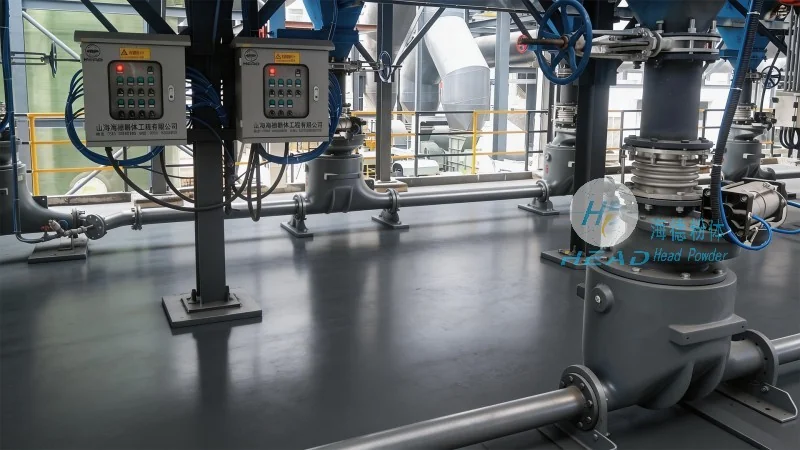
Company Overview: HeadPowder
HeadPowder, the professional brand under Shandong HeadPowder Engineering Co., Ltd., is dedicated to delivering innovative and reliable conveying equipment. With a strong presence in China, particularly in Shandong province, the company has established itself as a trusted partner for businesses seeking efficient powder handling solutions. The company's commitment to quality, durability, and customer satisfaction has made it a preferred choice for industries that rely on consistent and reliable material transport. HeadPowder's products are engineered to withstand the harsh conditions of industrial environments, ensuring long-term performance and minimal maintenance requirements.
Working Principle of Coal and Coke Powder Conveying Systems
The operation of coal and coke powder conveying systems typically involves several key components and mechanisms. At the core of these systems is the ability to handle fine, abrasive powders without clogging or degradation. The working principle often includes the use of positive displacement pumps, screw conveyors, or pneumatic conveying methods, depending on the specific requirements of the application. Positive displacement pumps, for instance, use a rotating mechanism to push the powder through the system, ensuring consistent flow rates and pressure. Screw conveyors, on the other hand, utilize a rotating screw to move the material along a trough, providing a continuous and controlled transport. Pneumatic conveying systems employ air pressure to transport the powder through pipes, which is particularly effective for long-distance or high-volume transport. Each method has its advantages and is chosen based on factors such as material characteristics, distance, and operational constraints.
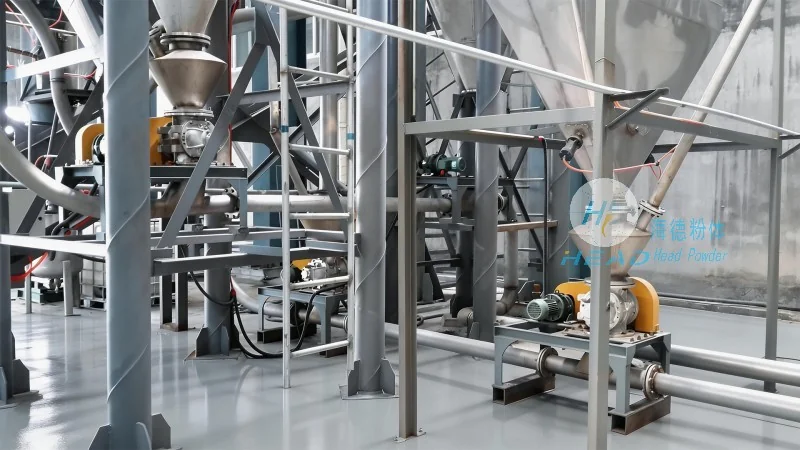
Operation Process of Coal and Coke Powder Conveying Equipment
The operation process of coal and coke powder conveying equipment begins with the intake of the material. The powder is fed into the system, often through a hopper or a feeding mechanism, ensuring a consistent supply. The system then processes the material using the selected conveying method, as explained in the previous section. During the operation, the equipment maintains a stable flow rate, preventing overloading or underloading that could lead to inefficiencies or equipment damage. The conveying process continues until the material reaches its destination, such as a storage silo, processing unit, or another processing stage. The system is equipped with monitoring and control features to ensure optimal performance, including pressure sensors, flow meters, and automated controls that adjust the operation based on real-time conditions. This ensures that the conveying process is efficient, safe, and consistent, minimizing the risk of material loss or equipment failure.
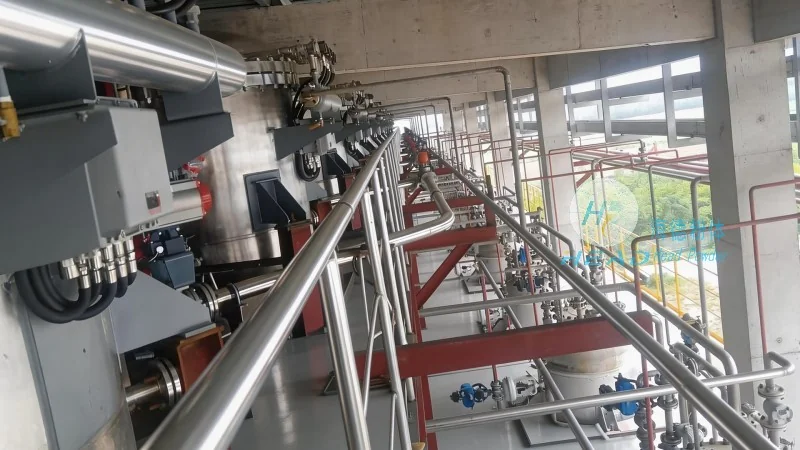
Key Features and Benefits of HeadPowder's Conveying Solutions
HeadPowder's coal and coke powder conveying systems are designed with several key features that enhance their performance and reliability. These features include robust construction to withstand abrasive materials, advanced sealing systems to prevent dust leakage, and efficient energy consumption to reduce operational costs. The systems are also equipped with easy-to-maintain components, such as replaceable parts and accessible maintenance points, which minimize downtime and maintenance expenses. The benefits of using these systems extend beyond efficiency, as they also contribute to improved workplace safety by reducing manual handling of powders and minimizing dust exposure. Additionally, the systems are designed to be flexible, allowing for easy integration with existing industrial processes and future expansion as needed.
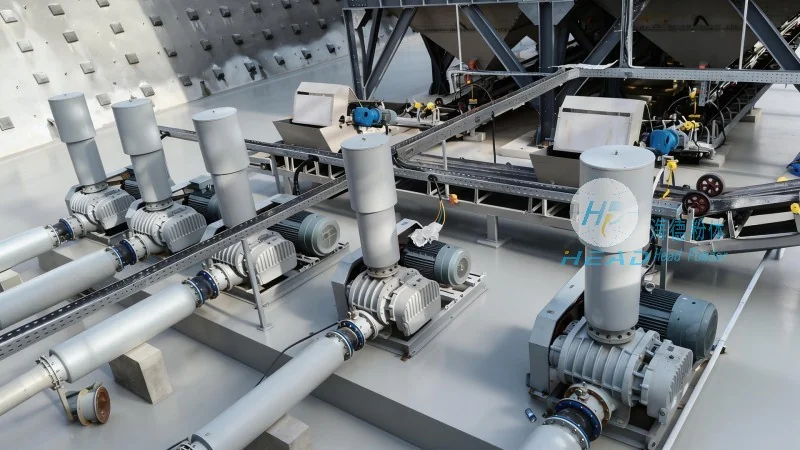
Applications and Industries Served
Coal and coke powder conveying systems are widely used in various industries, including coal processing plants, coke production facilities, and other industrial operations that handle fine powders. These systems are essential in applications such as raw material transport, intermediate processing, and final product delivery. The versatility of the equipment makes it suitable for a range of applications, from small-scale operations to large-scale industrial plants. Industries that benefit from these systems include power generation, steel manufacturing, and chemical processing, among others. The ability to handle different types of powders and adapt to various operational conditions makes the coal and coke powder conveying system a versatile solution for diverse industrial needs.
Conclusion
In summary, coal and coke powder conveying system equipment is a critical component in industrial processes, providing efficient and reliable transport of fine materials. Shandong HeadPowder Engineering Co., Ltd., with its brand HeadPowder, offers high-quality solutions that meet the specific needs of various industries. The working principle and operation process of these systems are designed to ensure optimal performance, durability, and safety. By leveraging advanced technologies and robust construction, HeadPowder's conveying solutions contribute to improved operational efficiency, reduced costs, and enhanced workplace safety. As industries continue to seek innovative solutions for material handling, the importance of reliable conveying systems like those offered by HeadPowder will only grow, making them a valuable asset in modern industrial operations.