

Design and Key Points of a Dry Flue Gas Desulfurization Ash Pneumatic Conveying System
For industrial facilities dealing with flue gas desulfurization (FGD) processes, the efficient handling and transportation of dry FGD ash is a critical operational challenge. A well-designed pneumatic conveying system is essential to ensure safe, reliable, and cost-effective ash removal from the desulfurization unit to storage or disposal sites. This article outlines the key design considerations and best practices for implementing a dry FGD ash pneumatic conveying system, with a focus on the expertise of Shandong HeadPowder Engineering Co., Ltd., a leading provider in this field.
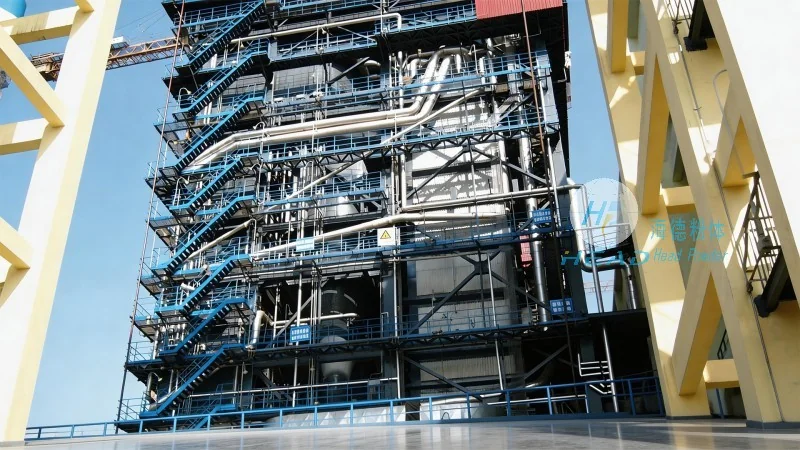
Understanding the Core Components of a Pneumatic Conveying System
A pneumatic conveying system for dry FGD ash typically consists of several interconnected components. The primary elements include a dust collector or ash hopper to collect the ash, a blower or air compressor to generate the conveying air, a pipeline network to transport the ash, and a receiver or storage silo at the destination. Each component must be carefully selected and sized to ensure optimal performance and minimize operational issues.
Key Design Considerations for System Efficiency and Reliability
When designing a dry FGD ash pneumatic conveying system, several factors must be taken into account to ensure long-term efficiency and reliability. The first consideration is the ash's physical properties, such as particle size distribution, moisture content, and bulk density. These characteristics directly impact the air velocity required for conveying and the risk of system blockages. For example, finer ash particles may require higher air velocities to maintain flow, while higher moisture content can lead to agglomeration and increased friction in the pipeline.
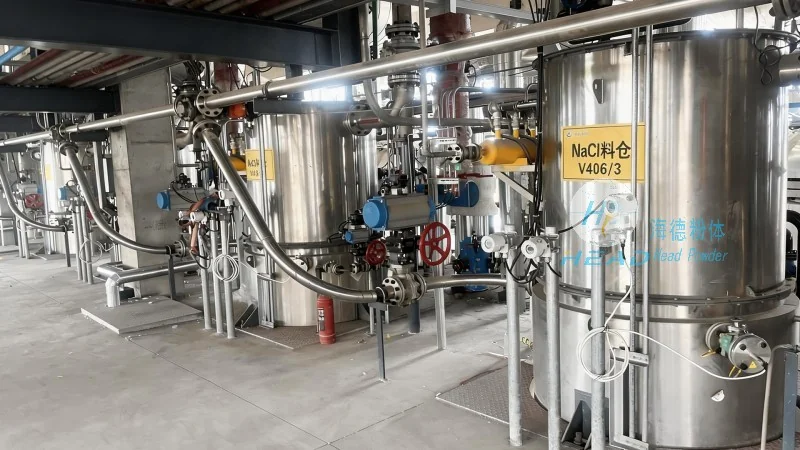
Another critical design aspect is the system's pressure and flow rate requirements. The blower or compressor must be capable of delivering sufficient air volume and pressure to overcome the resistance in the pipeline, including friction losses and elevation changes. Proper sizing of the pipeline diameter and length is also essential to maintain an appropriate air-to-solid ratio, which is crucial for preventing system surges or vacuum conditions that could lead to material degradation or equipment damage.
Material Selection and Equipment Durability
Given the abrasive nature of dry FGD ash, the selection of durable materials for the conveying components is paramount. The ash is often composed of calcium sulfate (gypsum) and other minerals, which can be highly abrasive to metal surfaces. Therefore, components such as the ash hopper, pipeline, and receiver must be constructed from corrosion-resistant and wear-resistant materials, such as stainless steel or special alloys. Additionally, the use of wear liners or liners in high-abrasion areas can extend the equipment's service life and reduce maintenance costs.
System Integration and Process Flow Optimization
Effective integration of the pneumatic conveying system with the existing FGD process is vital for seamless operation. The system must be designed to interface with the ash discharge point from the desulfurization unit and the storage or disposal facility without disrupting the main process flow. This may involve incorporating control valves, flow meters, and sensors to monitor and regulate the ash flow rate and air pressure. Proper process flow optimization ensures that the system operates within its design parameters, minimizing energy consumption and maximizing throughput.
Case Study: Successful Implementation by Shandong HeadPowder Engineering Co., Ltd.
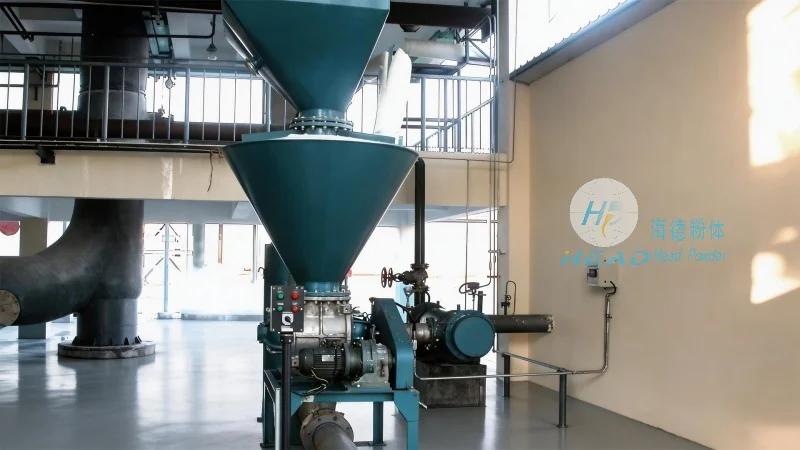
Shandong HeadPowder Engineering Co., Ltd. has successfully implemented numerous dry FGD ash pneumatic conveying systems for clients across China. One notable project involved a power plant in Shandong Province, where the company designed and installed a system capable of conveying 100 tons of dry FGD ash per hour over a distance of 500 meters. The system utilized a high-efficiency blower and a stainless steel pipeline network, ensuring reliable operation and minimal downtime. The client reported significant improvements in ash handling efficiency and reduced maintenance costs compared to traditional methods.
Conclusion and Future Trends
In conclusion, the design of a dry FGD ash pneumatic conveying system requires a comprehensive approach that considers the ash's physical properties, system pressure and flow requirements, material durability, and process integration. By adhering to these key design points, industrial facilities can achieve efficient and reliable ash transportation, contributing to overall operational efficiency and environmental compliance. As technology advances, the integration of advanced control systems and predictive maintenance tools will further enhance the performance and longevity of these systems.