

Design of Plastic Pneumatic Conveying Systems
Plastic pneumatic conveying systems are critical components in modern industrial operations, enabling efficient and safe material handling for a wide range of plastic powders and granules. The design of such systems requires a deep understanding of material properties, flow dynamics, and mechanical engineering principles to ensure optimal performance, reliability, and cost-effectiveness. This article explores the key aspects of designing plastic pneumatic conveying systems, highlighting the expertise of Shandong HeadPowder Engineering Co., Ltd., a leading provider in the field.
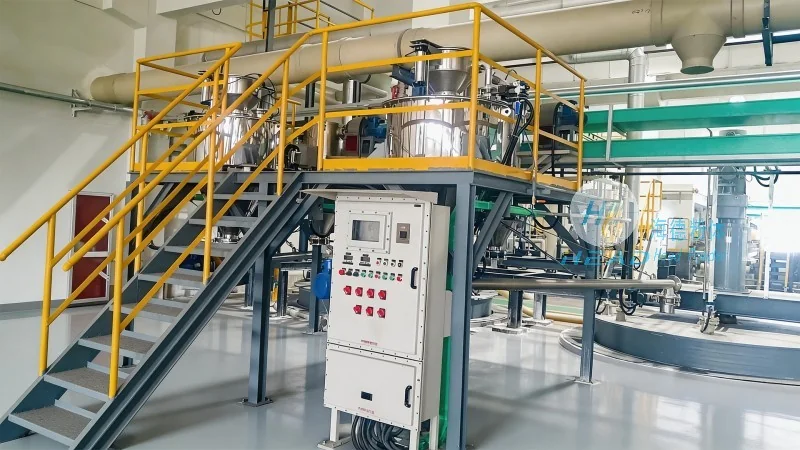
Introduction to Plastic Pneumatic Conveying Systems
Plastic pneumatic conveying systems utilize air or other gases to transport plastic materials from one location to another. Unlike traditional mechanical conveying methods, these systems offer advantages such as reduced contamination, lower maintenance requirements, and the ability to handle materials that are difficult to transport via traditional means. The design of a plastic pneumatic conveying system involves careful consideration of several factors, including the type of plastic material, the required conveying distance, the desired flow rate, and the environmental conditions of the application.
HeadPowder Engineering: Expertise in Plastic Pneumatic Conveying System Design
Shandong HeadPowder Engineering Co., Ltd., commonly known as HeadPowder, is a renowned company specializing in the design, manufacturing, and installation of plastic pneumatic conveying systems. With years of experience in the industry, HeadPowder has developed a comprehensive approach to system design that addresses the unique challenges of plastic material handling. The company's team of engineers and technicians work closely with clients to understand their specific needs and provide tailored solutions that meet their operational requirements and budget constraints.
Key Design Considerations for Plastic Pneumatic Conveying Systems
The successful design of a plastic pneumatic conveying system depends on several critical factors. First, the properties of the plastic material, such as its density, particle size, and moisture content, must be carefully evaluated. These properties influence the air velocity required for proper transport and the type of equipment needed to handle the material without degradation. Second, the conveying distance and layout of the system must be considered to ensure that the air pressure and flow rates are sufficient to achieve the desired throughput without excessive energy consumption. Third, the system's integration with existing infrastructure, such as storage silos, processing equipment, and discharge points, is essential for seamless operation. HeadPowder's engineers use advanced computational fluid dynamics (CFD) and material flow analysis tools to model these factors and optimize the system design.
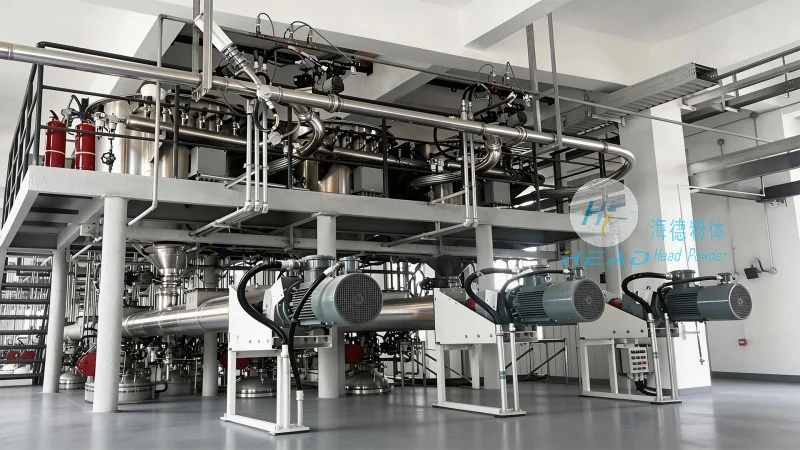
System Components and Equipment Selection
A plastic pneumatic conveying system typically consists of several key components, each playing a crucial role in the overall operation. The primary components include a material feeder, a conveying line (often equipped with airlocks or cyclones), a receiver or discharge unit, and a blower or air compressor to generate the necessary air pressure. The choice of each component is critical and depends on the specific application requirements. For example, the material feeder may be a rotary valve or a screw feeder, depending on the plastic's flow characteristics. The conveying line may be made of stainless steel or other corrosion-resistant materials to prevent contamination and ensure durability. The blower or air compressor must be capable of delivering the required air volume and pressure to maintain consistent material flow.
Material Handling and Process Integration
Plastic pneumatic conveying systems are often integrated into larger production processes, such as plastic extrusion, molding, or compounding. The design of these systems must ensure that they complement the existing process without causing disruptions or inefficiencies. This involves coordinating the system's flow rates with the production schedule, ensuring that material is delivered to the processing equipment at the right time and in the right quantity. HeadPowder's expertise in process integration allows them to design systems that enhance overall plant efficiency and reduce downtime. For instance, the system may include features such as automatic start-up and shutdown sequences, pressure monitoring, and alarm systems to maintain continuous operation and alert operators to any issues.
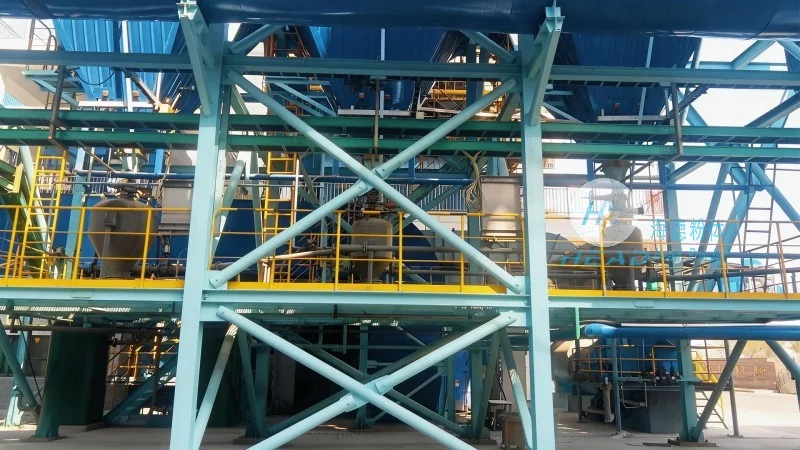
Advantages of Plastic Pneumatic Conveying Systems
Plastic pneumatic conveying systems offer several advantages over traditional mechanical conveying methods. One of the most significant benefits is the reduction of material contamination, as the system is enclosed and does not come into direct contact with the environment. This is particularly important for food-grade or pharmaceutical-grade plastics, where contamination can have serious consequences. Additionally, pneumatic conveying systems are more flexible in terms of layout, as they can be installed in various configurations to accommodate different plant layouts. They also require less space compared to traditional conveyor belts or bucket elevators, making them ideal for facilities with limited floor space. Another advantage is the lower maintenance requirements, as there are fewer moving parts and less wear and tear compared to mechanical systems.
Customization and After-Sales Support
HeadPowder understands that each industrial application is unique, and therefore, they offer customized plastic pneumatic conveying system designs to meet specific client needs. The company works closely with clients to develop solutions that are tailored to their production processes, material types, and operational goals. After the system is installed, HeadPowder provides comprehensive after-sales support, including maintenance services, spare parts supply, and technical assistance. This ensures that the system operates at peak performance and that any issues are addressed promptly, minimizing downtime and maximizing productivity.
Conclusion
The design of plastic pneumatic conveying systems is a complex but essential task in modern industrial operations. It requires a combination of engineering expertise, material knowledge, and practical experience to ensure that the system meets the operational requirements and delivers long-term value. Shandong HeadPowder Engineering Co., Ltd. has established itself as a leading provider in this field, offering comprehensive design, manufacturing, and support services for plastic pneumatic conveying systems. By leveraging their expertise and advanced design tools, HeadPowder helps clients optimize their material handling processes, improve efficiency, and reduce costs. For companies seeking reliable and efficient plastic pneumatic conveying solutions, HeadPowder is a trusted partner in achieving their operational goals.