

Design of Yellow Sand Pneumatic Conveying System
Efficient and reliable material handling is a critical concern in industries dealing with bulk materials, particularly when it comes to transporting yellow sand. Traditional methods such as belt conveyors or bucket elevators often face challenges like material degradation, high maintenance costs, and limited flexibility. Pneumatic conveying systems offer a superior alternative, leveraging air pressure to transport materials in a closed system. This approach not only enhances safety by containing dust but also improves operational efficiency and reduces environmental impact. For applications involving yellow sand, a well-designed pneumatic conveying system is essential to ensure optimal performance and longevity.
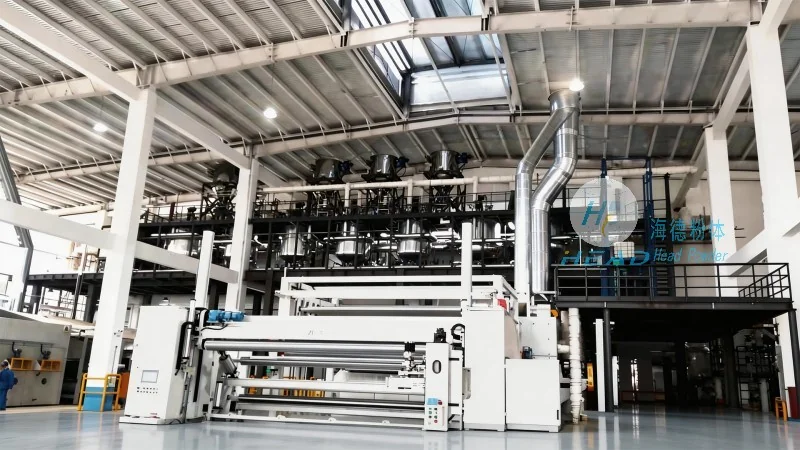
About HeadPowder Engineering
HeadPowder, the brand under Shandong HeadPowder Engineering Co., Ltd., is a leading provider of specialized engineering solutions for bulk material handling. With headquarters in Shandong, China, the company has built a strong reputation for delivering high-quality pneumatic conveying systems tailored to the unique needs of various industries. Our team of experienced engineers and technicians combines advanced technology with practical expertise to develop systems that meet the most demanding operational requirements. By focusing on innovation and customer-centric design, HeadPowder has become a trusted partner for businesses seeking reliable and efficient material transport solutions.
Key Design Considerations for Yellow Sand Pneumatic Conveying
The design of a pneumatic conveying system for yellow sand must account for several critical factors to ensure optimal performance. First, the particle size and density of the sand play a significant role in determining the appropriate air velocity and pressure. Larger or denser particles may require higher air speeds to maintain flow, while smaller particles can be conveyed at lower velocities. Additionally, the moisture content of the sand affects its flowability and can impact the system's efficiency. Our engineers conduct thorough material analysis to select the most suitable conveying method—whether it's a positive pressure, negative pressure, or a combination of both—based on the specific characteristics of the yellow sand being handled.
Another crucial aspect is the system's capacity and scalability. Industries often require systems that can handle varying throughput levels, from small-scale operations to large-scale production. HeadPowder designs systems with modular components that can be easily expanded or modified to accommodate changing production needs. This flexibility ensures that the investment in the system remains relevant and effective over the long term. Furthermore, energy efficiency is a key consideration in modern engineering. Our designs incorporate advanced aerodynamic principles and energy recovery systems to minimize power consumption while maintaining high conveying rates. By optimizing the air flow and reducing pressure losses, we help our clients achieve significant cost savings and lower their environmental footprint.
System Components and Functionality
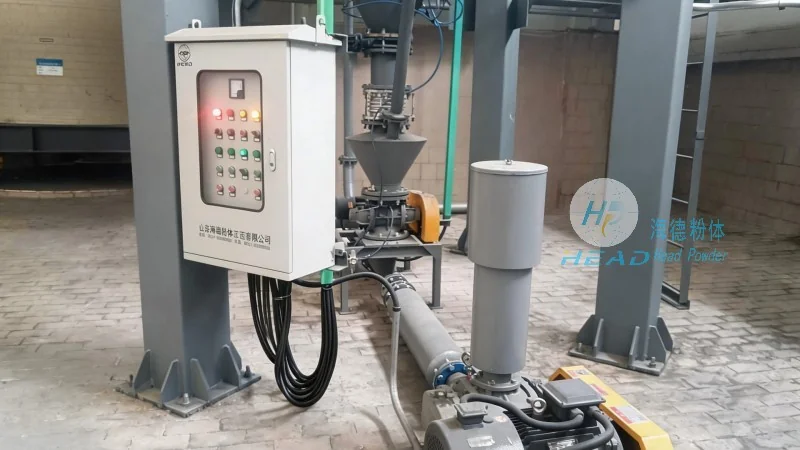
A typical pneumatic conveying system for yellow sand consists of several interconnected components, each playing a vital role in the overall operation. The system begins with a feeding device, such as a rotary valve or a hopper with a feeder, which introduces the sand into the conveying line. This component ensures a consistent and controlled flow of material, preventing blockages and maintaining system stability. The next stage involves the conveying line, which can be made of metal or plastic, depending on the material's corrosiveness and the operating conditions. For yellow sand, metal pipes are commonly used due to their durability and resistance to abrasion. The line is equipped with bends and elbows that are carefully designed to minimize pressure drop and maintain the flow of material.
At the receiving end, a separation and collection system is essential to convert the air-sand mixture back into solid material. This typically includes a cyclone separator, which uses centrifugal force to separate the sand from the air, followed by a filter or baghouse to capture any fine particles. The separated sand is then discharged into a storage bin or processing equipment, while the clean air is either recirculated or vented to the atmosphere. The control system, which includes sensors and a programmable logic controller (PLC), monitors key parameters such as pressure, flow rate, and temperature, ensuring that the system operates within safe and efficient limits. This automation not only enhances operational reliability but also allows for remote monitoring and troubleshooting, reducing downtime and maintenance costs.
Benefits of Using a HeadPowder Pneumatic Conveying System
Implementing a pneumatic conveying system for yellow sand offers numerous advantages that directly impact the bottom line and operational efficiency of a business. One of the most significant benefits is the reduction in material loss and degradation. Unlike open systems, pneumatic conveying keeps the sand contained, preventing dust dispersion and minimizing the risk of contamination. This is particularly important for yellow sand, which is often used in applications where purity is critical, such as in construction or glass manufacturing. By maintaining the integrity of the material, the system helps preserve its quality and market value.
Another key benefit is the improvement in safety and environmental compliance. Pneumatic systems eliminate the need for open chutes or hoppers, which can generate dust clouds and pose health risks to workers. The enclosed design also reduces the environmental impact by containing dust emissions and preventing soil contamination. Additionally, the system's ability to recycle air reduces the need for fresh air intake, contributing to lower energy consumption and reduced carbon footprint. These environmental advantages not only align with modern sustainability goals but also help businesses meet regulatory requirements and enhance their corporate social responsibility.
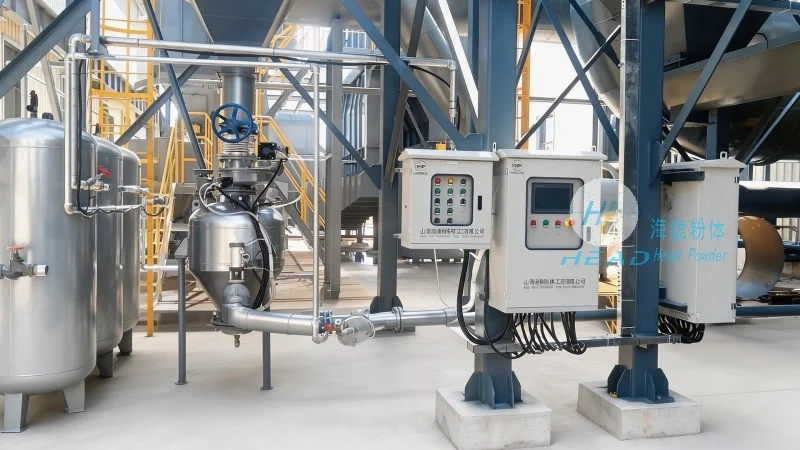
Operational efficiency is another major advantage of pneumatic conveying. The system's ability to transport yellow sand quickly and continuously reduces production bottlenecks and increases overall throughput. By eliminating the need for manual handling or frequent maintenance of traditional equipment, the system minimizes downtime and labor costs. Furthermore, the modular design of HeadPowder systems allows for easy integration with existing production lines, reducing the need for extensive modifications or new infrastructure. This flexibility makes the system a cost-effective solution for businesses looking to upgrade their material handling capabilities without disrupting their operations.
Case Study: Successful Implementation in a Construction Materials Plant
To illustrate the effectiveness of our pneumatic conveying systems, consider a case study from a construction materials plant in Shandong, China. The plant was struggling with inefficient sand transport from its storage silos to the production line, leading to frequent downtime and material loss. After evaluating their needs, the plant partnered with HeadPowder to design and install a custom pneumatic conveying system. The system was tailored to handle the plant's specific yellow sand characteristics, including its particle size and moisture content. The result was a significant improvement in operational efficiency: the conveying rate increased by 30%, and material loss was reduced by 50%. The plant also reported lower energy consumption and reduced maintenance costs, as the system's components were designed for durability and ease of service. This success story highlights the practical benefits of a well-designed pneumatic conveying system and demonstrates how HeadPowder's expertise can deliver measurable results for our clients.
Conclusion and Future Outlook
In conclusion, the design of a pneumatic conveying system for yellow sand is a critical investment for industries seeking to enhance their material handling capabilities. By leveraging advanced engineering principles and tailored solutions, HeadPowder Engineering provides systems that address the unique challenges of yellow sand transportation. Our focus on efficiency, safety, and sustainability ensures that our clients receive not only a high-performance system but also a long-term partner in their operational success. As industries continue to evolve and demand more efficient processes, the importance of reliable pneumatic conveying systems will only grow. HeadPowder remains committed to innovation and customer satisfaction, ensuring that our solutions meet the evolving needs of the market while delivering exceptional value. For businesses looking to improve their yellow sand handling operations, a HeadPowder pneumatic conveying system represents a smart and effective choice.