

Operation Process and Working Principle of Dilute Phase Pneumatic Conveying Systems
HeadPowder, a leading engineering company based in Shandong, China, specializes in the design, manufacturing, and installation of advanced pneumatic conveying systems. The company's expertise lies in delivering efficient and reliable solutions for material handling, particularly through the implementation of dilute phase pneumatic conveying technology. This article explores the operation process and working principles of such systems, highlighting their key components, operational mechanisms, and practical applications.
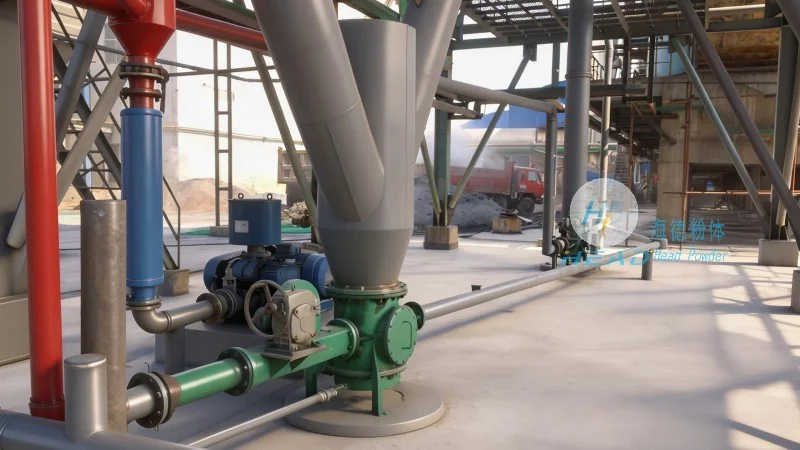
Understanding Dilute Phase Pneumatic Conveying Systems
Dilute phase pneumatic conveying systems are a type of material transport technology that uses a stream of air to move particulate materials through a pipeline. Unlike dense phase systems, where materials are conveyed in a more compact form, dilute phase systems operate with a lower material-to-air ratio, resulting in higher conveying velocities and greater efficiency for longer distances. The primary goal of these systems is to transport bulk materials from one location to another with minimal energy consumption and operational complexity.
Key Components of a Dilute Phase Pneumatic Conveying System
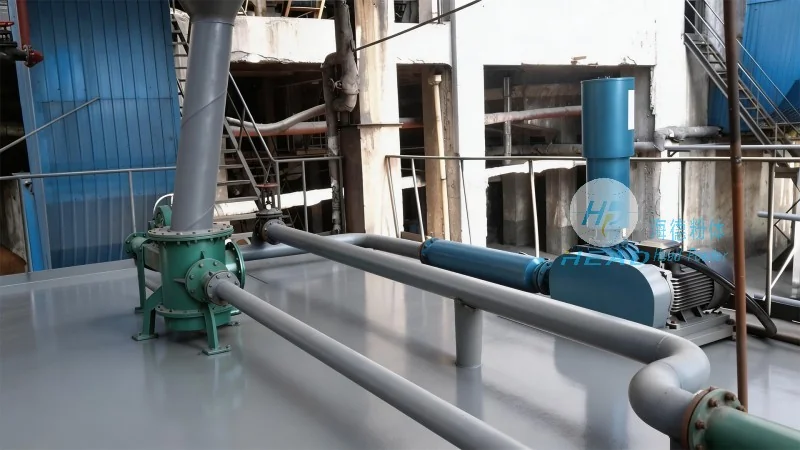
At the core of a dilute phase pneumatic conveying system are several critical components that work in tandem to ensure smooth material transport. The main components include a blower or compressor to generate the necessary air pressure, a hopper or feeder to introduce the material into the system, a pipeline network to guide the material and air mixture, and a receiver or discharge unit to collect the material at the destination. Additionally, the system may incorporate accessories such as filters, silencers, and control valves to regulate air flow, maintain system pressure, and prevent material degradation or equipment damage.
The Working Principle: How Dilute Phase Systems Operate
The operation of a dilute phase pneumatic conveying system begins with the material being fed into the hopper or feeder. The material is then drawn into the pipeline by the high-velocity air stream generated by the blower. As the material particles are suspended in the air, they are carried along the pipeline to the receiving end. The air and material mixture travels through the pipeline until it reaches the discharge point, where the material is separated from the air and collected in the receiver. The air, now filtered to remove any residual particles, is then released back into the atmosphere or recirculated through the system to maintain efficiency.
Operation Process: Step-by-Step Execution
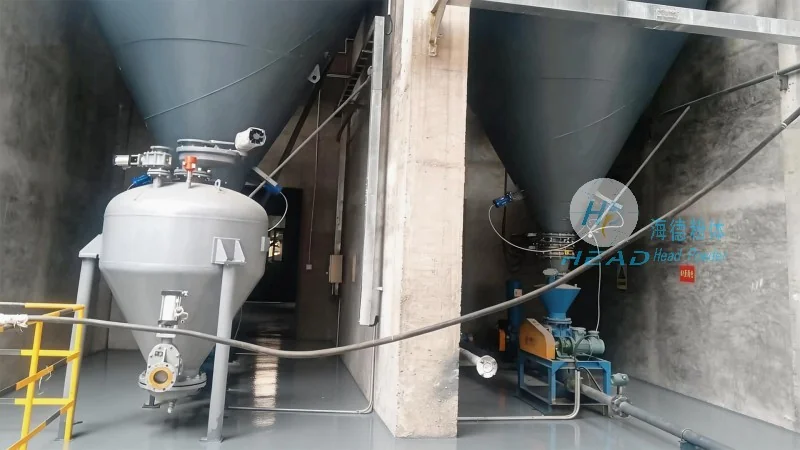
The operation process of a dilute phase pneumatic conveying system involves several sequential steps that ensure consistent and reliable material transport. First, the system is started by activating the blower or compressor, which establishes the required air pressure and flow rate. Next, the material feeder is activated to introduce the bulk material into the system at a controlled rate. The material is then drawn into the pipeline by the air stream, and the mixture is conveyed to the destination. At the receiving end, the material is discharged from the receiver, and the air is filtered and either vented or recirculated. The system may also include automatic controls to adjust the air flow and material feed rate based on real-time conditions, ensuring optimal performance and preventing overloading or under-conveying.
Advantages and Applications of Dilute Phase Pneumatic Conveying
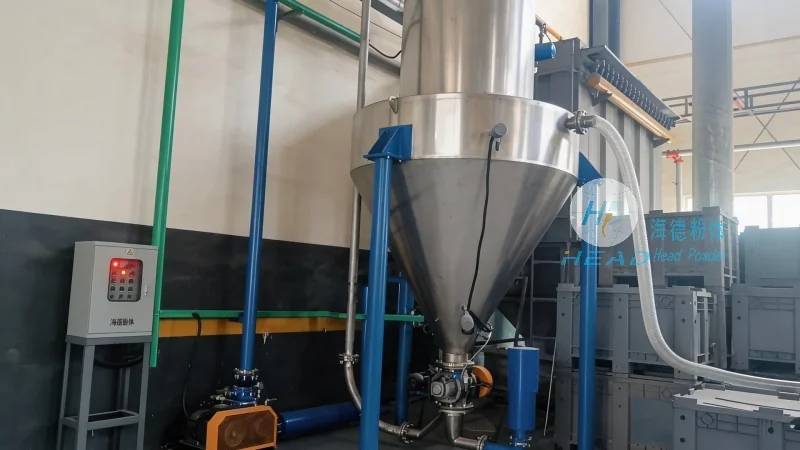
Dilute phase pneumatic conveying systems offer several advantages over traditional material handling methods, making them suitable for a wide range of industrial applications. These systems are particularly effective for transporting materials over long distances, as they can achieve high conveying velocities and maintain material integrity. Additionally, they are well-suited for handling materials that are dusty, abrasive, or prone to segregation, as the air stream helps to keep particles suspended and prevents clumping. Common applications include the transport of powders, granules, and bulk solids in industries such as pharmaceuticals, food processing, chemical manufacturing, and mining. The flexibility of dilute phase systems also allows for easy integration with existing production lines and facilities, reducing installation time and costs.
Conclusion
HeadPowder Engineering Co., Ltd., based in Shandong, China, provides comprehensive solutions for dilute phase pneumatic conveying systems, leveraging advanced engineering and manufacturing capabilities to deliver high-performance material handling solutions. By understanding the operation process and working principles of these systems, industries can optimize their material transport processes, improve efficiency, and reduce operational costs. The company's commitment to quality and innovation ensures that clients receive reliable and durable systems tailored to their specific needs, supporting their long-term operational success.