HeadPowder, a leading provider of industrial conveying solutions, specializes in the design and manufacturing of advanced glass slag pneumatic conveying equipment. This equipment is engineered to efficiently transport glass slag, a byproduct of glass manufacturing processes, from one location to another. The system combines the principles of pneumatic conveying with robust engineering to ensure reliable and safe operation in industrial settings.
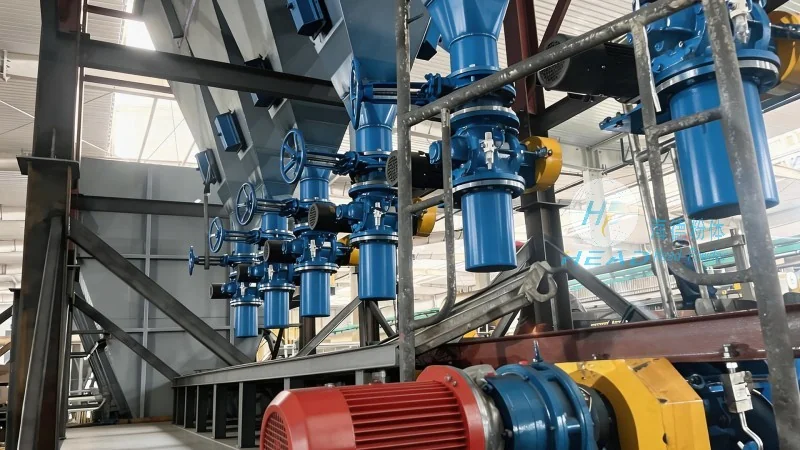
Key Components of the Pneumatic Conveying System
The glass slag pneumatic conveying system typically consists of several critical components that work in tandem to achieve effective material transport. These components include a hopper for material storage, a rotary valve or feeder to control the flow of glass slag, a conveying pipeline, a blower or air compressor to generate the necessary air pressure, and a receiver or discharge unit to collect the transported material. Each component is carefully designed to handle the abrasive and potentially hot nature of glass slag, ensuring long-term durability and minimal maintenance.
Operation Process of Glass Slag Pneumatic Conveying
The operation process of the glass slag pneumatic conveying equipment begins with the loading of glass slag into the hopper. The rotary valve or feeder then regulates the flow of material into the conveying pipeline. Simultaneously, the blower or air compressor generates a high-pressure air stream that travels through the pipeline. As the air and glass slag mixture moves through the pipeline, the air velocity is sufficient to keep the material suspended and transported to the discharge point. The receiver or discharge unit at the end of the pipeline collects the glass slag, completing the conveying cycle. The system operates continuously, with the blower maintaining a consistent air pressure to ensure uninterrupted material transport.
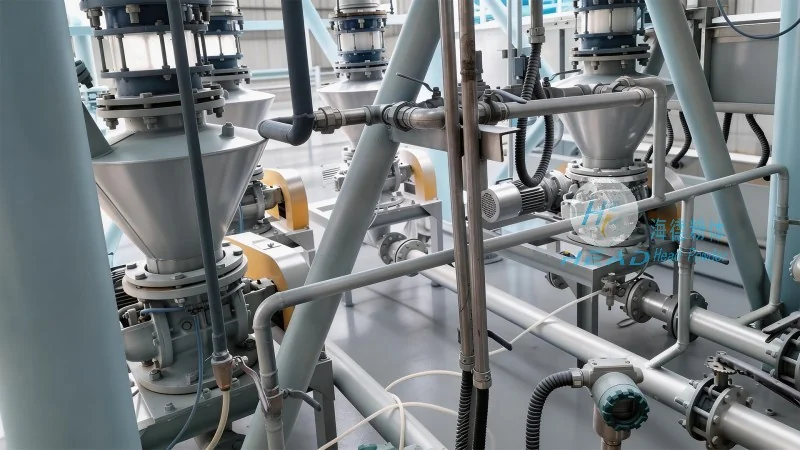
Working Principle of the Pneumatic Conveying System
The working principle of the glass slag pneumatic conveying equipment is based on the fundamental concept of pneumatic transport, where solid particles are suspended and transported by a moving air stream. The system utilizes a positive pressure or negative pressure (or a combination of both) approach, depending on the specific application requirements. In a positive pressure system, the blower supplies compressed air to the pipeline, creating a pressure higher than the ambient air pressure. This pressure forces the air and glass slag mixture through the pipeline. The air velocity within the pipeline is maintained above the minimum fluidization velocity of the glass slag particles, ensuring that the particles remain suspended and do not settle. The receiver at the end of the pipeline is typically under a slight vacuum or pressure to facilitate the collection of the material. The entire process is controlled by a system of valves, sensors, and a control panel, which monitors and adjusts the air pressure, material flow, and other parameters to optimize performance and ensure safety.
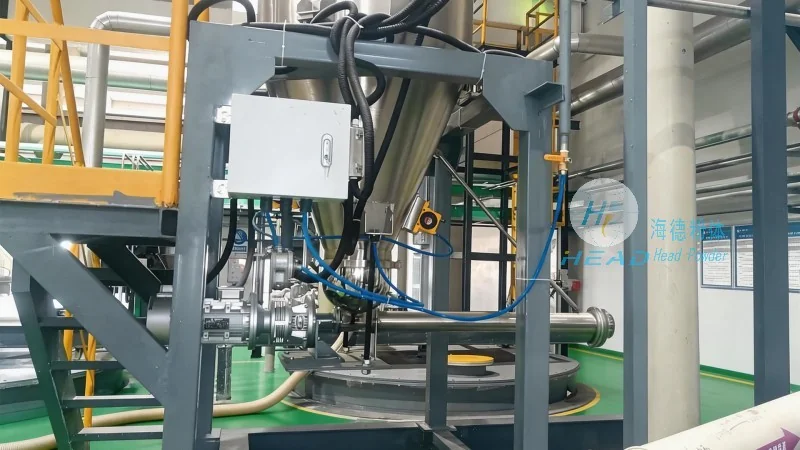
Advantages of Glass Slag Pneumatic Conveying Equipment
HeadPowder's glass slag pneumatic conveying equipment offers several advantages over traditional conveying methods such as belt conveyors or bucket elevators. One of the primary benefits is the ability to transport glass slag in a dust-free environment, which reduces the risk of dust exposure and improves workplace safety. The system also eliminates the need for mechanical contact with the material, minimizing wear and tear on equipment components and reducing maintenance costs. Additionally, the pneumatic conveying system can handle abrasive glass slag without significant degradation of the conveying components, as the air stream provides a cushioning effect that protects the material and the pipeline. The flexibility of the system allows for easy integration into existing industrial layouts, with the ability to route the pipeline in various directions to reach different discharge points. The continuous operation of the system ensures high throughput, making it suitable for large-scale glass manufacturing facilities.
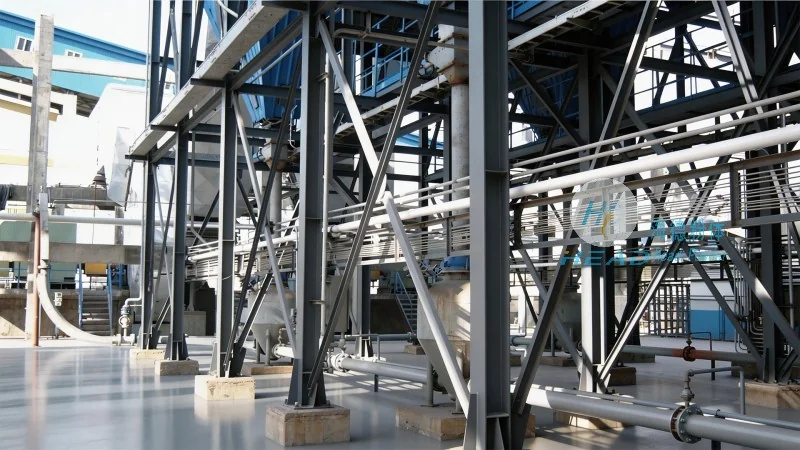
Applications and Industries
The glass slag pneumatic conveying equipment from HeadPowder is widely used in various industries that generate glass slag as a byproduct. The primary application is in the glass manufacturing industry, where the equipment is used to transport glass slag from the furnace or processing area to storage or recycling facilities. Other industries that may benefit from this technology include the construction industry, where glass slag can be used as an aggregate in concrete or other building materials, and the recycling industry, where the equipment facilitates the transport of glass slag to recycling plants for further processing. The versatility of the system makes it suitable for a range of applications, from small-scale operations to large industrial plants.
Maintenance and Safety Considerations
Proper maintenance and safety measures are essential for the reliable operation of the glass slag pneumatic conveying equipment. Regular inspection of the conveying pipeline for any signs of wear or damage is crucial to prevent leaks or blockages. The rotary valve and feeder should be checked for proper operation and lubrication to ensure smooth material flow. The blower or air compressor should be maintained to ensure consistent air pressure and flow rates. Safety features such as dust collection systems, explosion-proof components, and emergency shut-off valves are integrated into the design to protect operators and the environment. Training of personnel on the proper operation and maintenance of the equipment is also important to ensure safe and efficient operation. By following these maintenance and safety guidelines, the equipment can operate at peak performance with minimal downtime and maximum safety.




