HeadPowder, a leading manufacturer based in Shandong, China, specializes in industrial pneumatic conveying solutions tailored for sanding powder applications. The company, Shandong HeadPowder Engineering Co., Ltd., has established itself as a trusted provider of efficient and reliable equipment for material handling in various industrial sectors. With a focus on innovation and quality, HeadPowder delivers equipment that meets the specific needs of customers in the woodworking, automotive, and other industries that rely on sanding powder for surface finishing and polishing tasks.
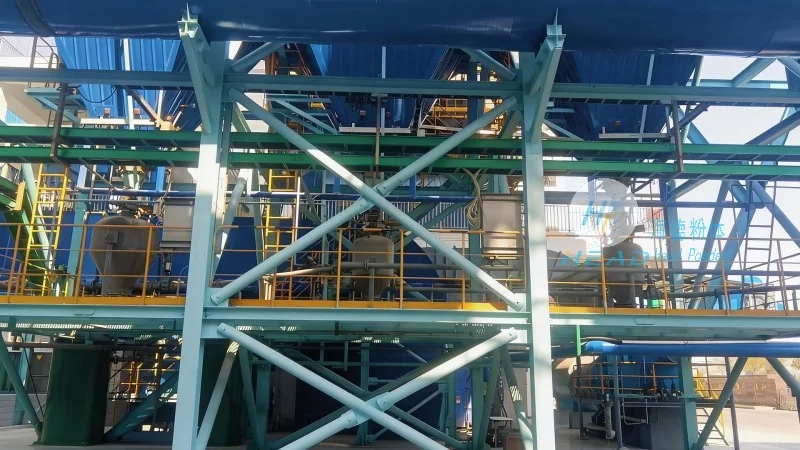
The Operation Process of Sanding Powder Pneumatic Conveying Equipment
The operation of sanding powder pneumatic conveying equipment involves a systematic sequence of steps designed to ensure efficient material transport from the source to the destination. The process typically begins with the preparation of the sanding powder, which is stored in a hopper or silo. From there, the powder is fed into the conveying system via a feeder, such as a rotary valve or a screw feeder, which controls the flow rate. The feeder ensures a consistent and controlled supply of the material to the system, preventing overfeeding or underfeeding that could lead to system inefficiencies or blockages.
Once the sanding powder is introduced into the conveying line, the air is introduced through a blower or a positive displacement pump. The air, under pressure, creates a flow that carries the powder particles through the pipeline. The conveying line is equipped with various components, including elbows, bends, and filters, which help maintain the flow and prevent blockages. The equipment is designed to handle the specific characteristics of sanding powder, such as its fine particle size (typically ranging from 10 to 100 microns) and potential for static electricity, ensuring smooth and uninterrupted operation. The air velocity is carefully controlled to prevent particle degradation or loss of material, which is critical for maintaining the quality of the sanding powder used in downstream processes.
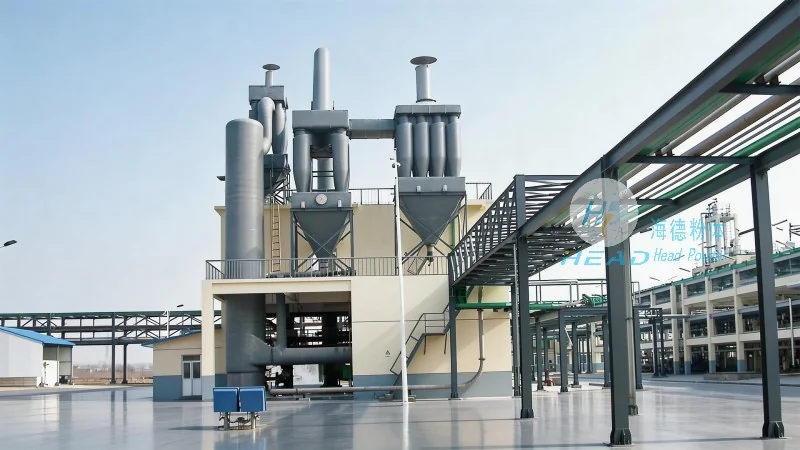
At the destination point, the sanding powder is discharged into a receiving hopper or storage tank. The system may include a separator or a cyclone to separate any air from the powder before discharge, ensuring that the material is delivered in a dry and free-flowing state. The entire operation is monitored through control panels that allow operators to adjust the flow rate, pressure, and other parameters as needed to optimize performance and maintain efficiency. Real-time monitoring of pressure and flow rates helps identify any issues early, allowing for quick adjustments to prevent downtime or material loss.
The Working Principle of the Equipment
The core principle behind sanding powder pneumatic conveying equipment is the use of air as a medium to transport solid particles. This method, known as pneumatic conveying, relies on the creation of a high-velocity air stream that entrains the powder particles and moves them through the pipeline. The equipment operates on the principle of fluidization, where the air flow causes the powder to behave like a fluid, allowing it to be transported with minimal resistance. The system consists of several key components, including a blower or compressor that generates the necessary air pressure, a feeder that controls the material flow, a conveying line that transports the powder, and a receiver that collects the material at the end.
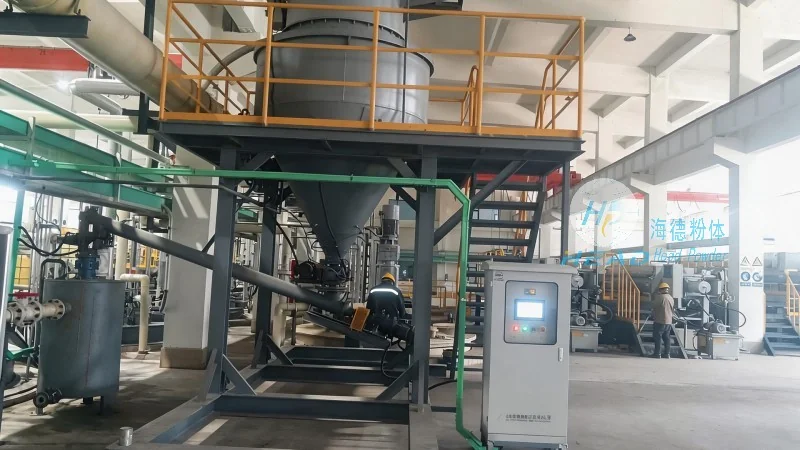
The blower provides the energy to move the air and the powder, while the feeder ensures that the powder is introduced at a consistent rate. The conveying line is typically made of materials that are resistant to abrasion and corrosion, such as stainless steel or polyethylene, to withstand the wear and tear caused by the fine powder particles. The working principle also involves the management of air pressure and flow rate. The blower maintains a constant pressure, which is adjusted based on the distance and the amount of material being conveyed. The flow rate is controlled by the feeder, which can be adjusted to match the requirements of the application. The system may also include a filter or a cyclone to remove any air from the powder stream, ensuring that the material is delivered in a clean and dry state. This process is crucial for maintaining the quality of the sanding powder and preventing contamination or clogging in the equipment.
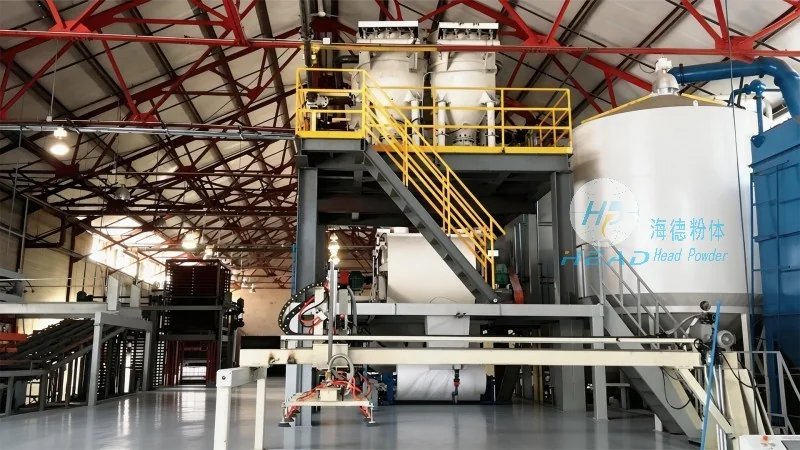
The pneumatic conveying system works by creating a pressure differential between the inlet and outlet of the conveying line. The blower creates a high-pressure air stream at the inlet, which draws the sanding powder from the feeder and propels it through the pipeline. The pressure drop along the line is managed to ensure that the powder is conveyed efficiently without excessive energy consumption. The design of the system, including the size of the blower, the diameter of the conveying line, and the length of the pipeline, is optimized to achieve the desired flow rate and pressure for the specific application. This optimization is critical for minimizing operating costs and maximizing the efficiency of the equipment.
Key Components and Their Roles
The sanding powder pneumatic conveying equipment consists of several essential components, each playing a vital role in the overall operation. The blower or compressor is the primary energy source, providing the necessary air pressure to move the material. The feeder, such as a rotary valve or a screw feeder, controls the flow rate of the sanding powder, ensuring a consistent supply to the system. The conveying line, typically made of stainless steel or polyethylene, transports the powder from the source to the destination. The receiver or storage tank collects the material at the end of the line, and may include a separator or cyclone to remove any air before discharge.




