

Operation Process and Working Principle of Dust Pneumatic Conveying Lines
HeadPowder, a leading provider in the field of pneumatic conveying systems, specializes in the design, manufacturing, and installation of dust handling solutions. Based in Shandong, China, the company leverages advanced engineering and decades of industry experience to deliver efficient and reliable dust transportation systems for various industrial applications. The following sections detail the operation process and working principles of dust pneumatic conveying lines, highlighting the key components and the systematic approach to material handling.
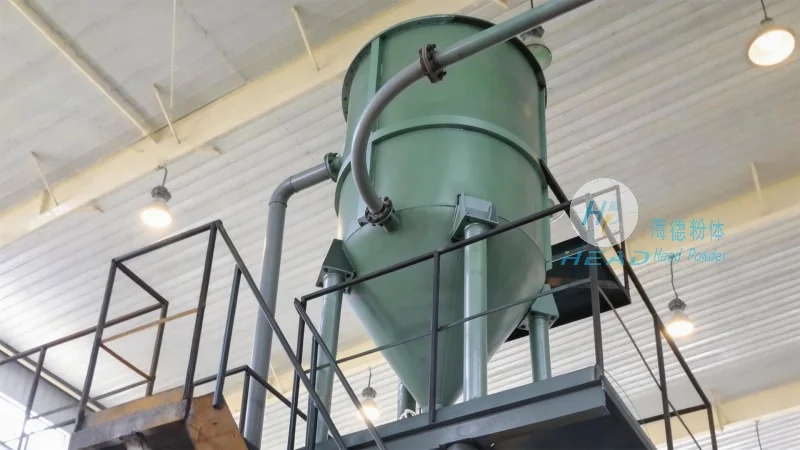
Working Principle of Pneumatic Conveying Systems
Pneumatic conveying systems utilize compressed air or other gases to transport bulk materials, including fine dust and powders, through a pipeline network. The fundamental principle involves creating a flow of air that carries the material particles along the pipeline. This method is distinct from mechanical conveying systems, as it eliminates the need for moving parts in contact with the material, reducing the risk of contamination and wear. The system operates by generating a pressure differential or a flow of air that propels the material through the conveying line. Depending on the application, the system can be classified as either a suction (or vacuum) system, where air is drawn to pull the material, or a pressure system, where air is pushed to force the material forward.
Key Components in a Dust Pneumatic Conveying Line
The operation of a dust pneumatic conveying line relies on several critical components that work in tandem to ensure efficient material transport. The primary components include:
1. Material Feed Hopper: This is the initial unit where the dust or powder is stored before being fed into the system. The hopper is designed to maintain a consistent material level and prevent clogging, especially for cohesive or fine powders. It may include a level sensor to monitor the material volume and a discharge valve to control the flow rate.
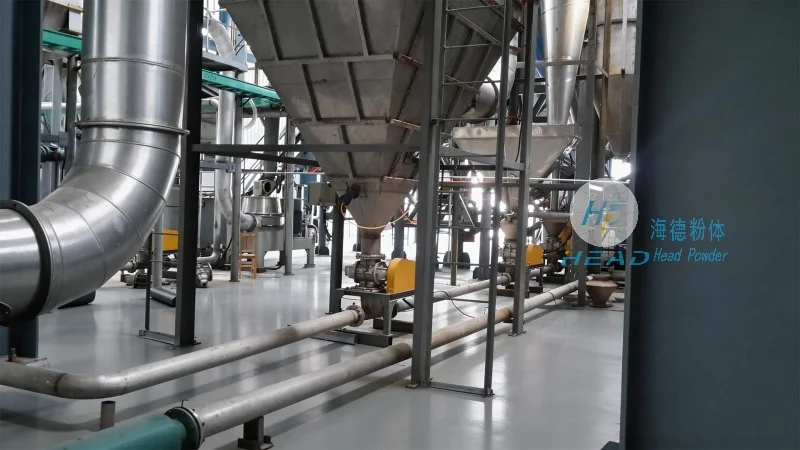
2. Feeder: The feeder is responsible for regulating the flow of material from the hopper into the conveying line. Common types include rotary valves, screw feeders, or vibratory feeders. The choice of feeder depends on the material properties and the required flow rate. For dust applications, a rotary valve is often preferred due to its ability to handle fine powders without blockages.
3. Conveying Pipeline: The pipeline is the main channel through which the material and air travel. It is typically made of materials such as stainless steel, plastic, or metal, depending on the material being conveyed and the operating conditions. The pipeline is designed to withstand the pressure and temperature of the conveying process and to minimize friction losses.
4. Compressor or Air Supply Unit: This component provides the necessary compressed air or gas to drive the conveying process. The compressor is sized based on the system's capacity and the required pressure. For suction systems, a vacuum pump may be used instead of a compressor.
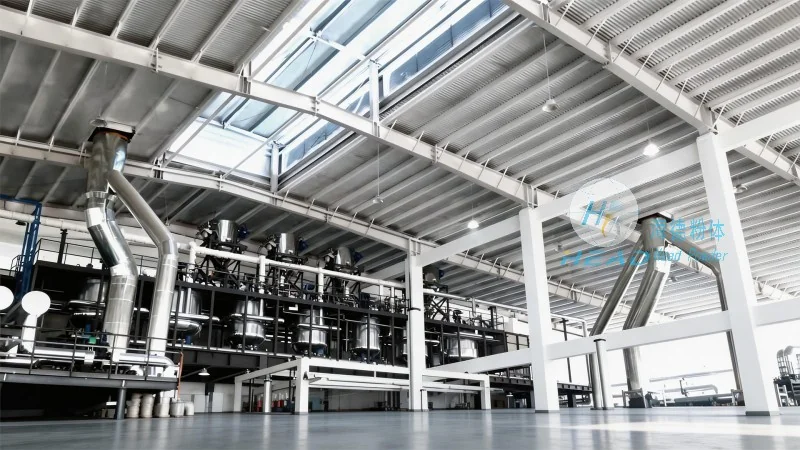
5. Discharge Unit: The discharge unit is where the material is released from the conveying line. It may include a cyclone separator or a filter to separate the material from the air before discharge. The discharge unit is designed to handle the material's characteristics and to prevent dust emissions into the environment.
The Operation Process of a Dust Pneumatic Conveying Line
The operation of a dust pneumatic conveying line follows a systematic sequence of steps, ensuring a continuous and controlled material handling process. The process typically begins with the material being loaded into the hopper. The feeder then controls the flow rate, feeding the material into the pipeline at a consistent rate. Simultaneously, the compressor or vacuum pump generates the required air flow, which is introduced into the pipeline at the inlet or along the line.
As the air flows through the pipeline, it creates a negative pressure (in suction systems) or positive pressure (in pressure systems) that propels the material particles. The material is carried along the pipeline by the air stream, and the system may include intermediate units such as cyclones or filters to separate the material from the air. These units are typically located at the end of the conveying line or at intermediate points to prevent material buildup and to maintain system efficiency.
The material is then discharged from the system at the receiving end. The discharge unit may include a hopper or a storage tank where the material is collected for further processing or use. The entire process is automated, with sensors and controls monitoring the flow rate, pressure, and material level to ensure optimal operation. HeadPowder's systems are designed to integrate seamlessly with existing production lines, providing a reliable and efficient solution for dust handling.
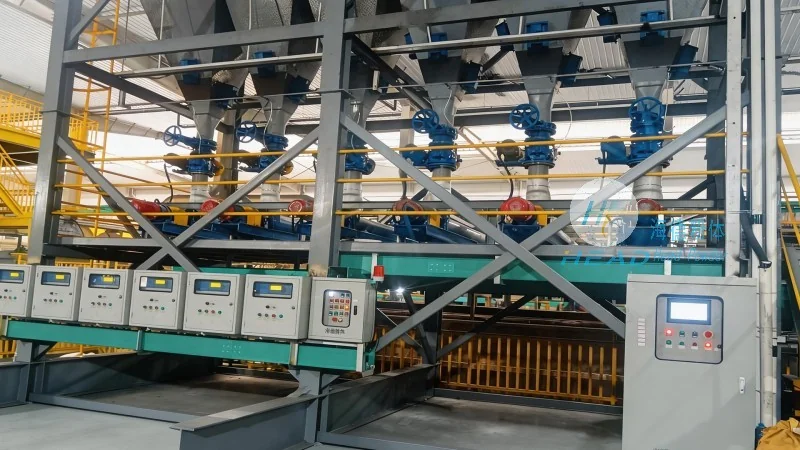
Customization and Application in Industrial Settings
HeadPowder specializes in customizing pneumatic conveying systems to meet the specific needs of various industries. The company considers factors such as the material's properties (e.g., particle size, moisture content, density), the required conveying distance, and the system's capacity to design an optimal solution. For example, in the food industry, the system may be designed with stainless steel components to meet sanitary standards, while in the chemical industry, the components may be selected based on the material's chemical compatibility.
The company's engineers use advanced simulation software to model the conveying process, ensuring that the system operates at peak efficiency with minimal energy consumption. This approach allows HeadPowder to provide tailored solutions that not only meet the client's requirements but also enhance operational efficiency and reduce costs. The company also provides maintenance and support services to ensure the long-term reliability of the equipment, minimizing downtime and maximizing productivity.
Conclusion: Reliable Dust Handling Solutions from HeadPowder
Dust pneumatic conveying lines are a critical component in modern industrial operations, providing an efficient and reliable method for transporting fine powders and dust. HeadPowder, with its headquarters in Shandong, China, is a trusted partner in delivering these systems, leveraging advanced engineering and industry expertise to meet the diverse needs of clients across various sectors. By understanding the operation process and working principles of these systems, industries can optimize their material handling processes, improve productivity, and ensure compliance with environmental and safety standards.