

Operation Process and Working Principle of Iron Powder Pneumatic Conveying Lines
Iron powder pneumatic conveying lines are sophisticated industrial systems designed to transport iron powder and similar fine particulate materials efficiently and reliably. These systems are widely used in various industries, including chemical processing, food manufacturing, and pharmaceutical production, where the handling of powders requires precision and minimal contamination. The core of such systems lies in the seamless integration of components that work together to move material from one location to another using air pressure or suction.
Key Components of a Pneumatic Conveying Line
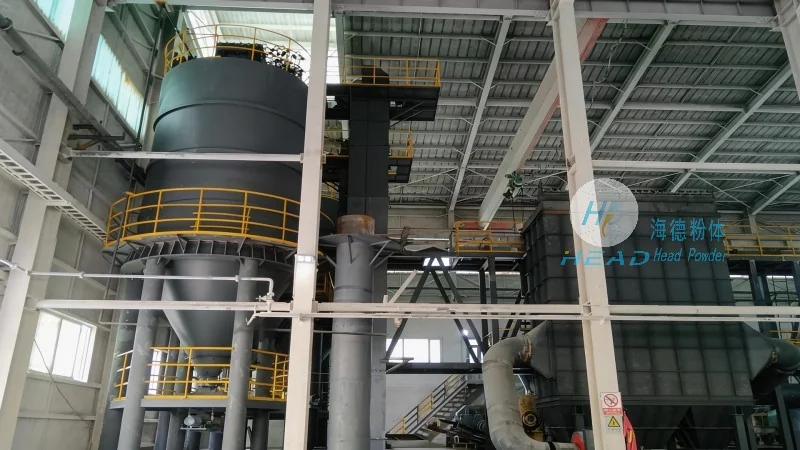
The operation of an iron powder pneumatic conveying line relies on several critical components, each playing a vital role in the overall process. The system typically includes a hopper or feeder to store and meter the iron powder, a conveyor pipe network that transports the material, a vacuum or pressure source to create the airflow, and a receiver or discharge unit to collect the material at the destination. Additionally, components like rotary valves, filters, and pressure regulators are often incorporated to ensure smooth operation and maintain material quality. The design of these components must be tailored to the specific characteristics of iron powder, such as its density, flowability, and potential for caking, to prevent blockages and ensure consistent performance.
Working Principle of the Conveying Process
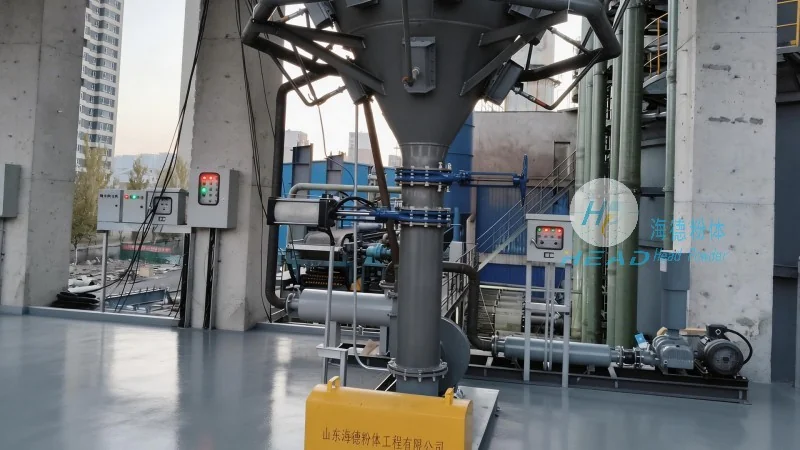
The working principle of an iron powder pneumatic conveying line involves the use of air to move the powder through the system. In a typical operation, the iron powder is first fed into the hopper, where it is metered by a rotary valve or other feeder mechanism. The feeder then releases the powder into the conveyor pipe, where it is entrained by a stream of air generated by a vacuum pump or compressed air system. The air flow carries the iron powder particles along the pipe, ensuring they are transported to the receiving hopper or discharge point. The velocity of the air and the size of the particles determine the efficiency of the conveying process, with optimal conditions balancing material transport with energy consumption. The system may operate under negative pressure (suction) or positive pressure (blowing), depending on the application and the distance between the source and destination. In suction systems, the vacuum pump creates a low-pressure environment that draws the powder from the source, while in blowing systems, compressed air pushes the material forward. Both methods are effective, but the choice depends on factors like the material's properties and the layout of the conveying line.
Operation Process of an Iron Powder Pneumatic Conveying Line
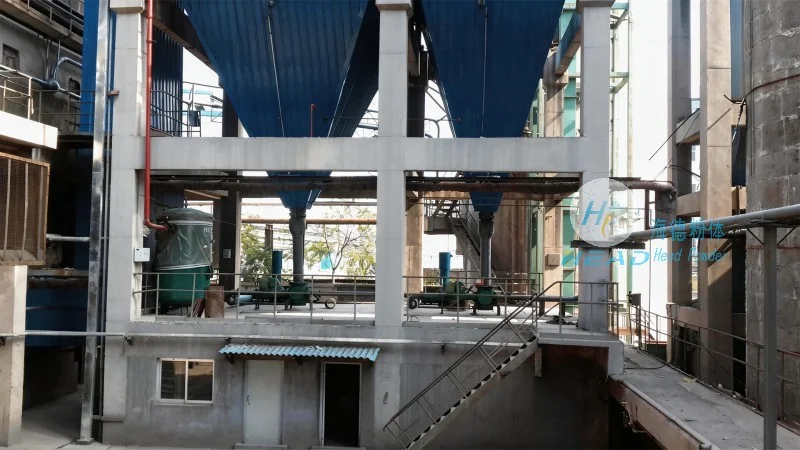
The operation of an iron powder pneumatic conveying line follows a systematic sequence to ensure efficient material handling. The process begins with the loading of iron powder into the source hopper. The feeder then controls the flow rate, ensuring a consistent supply of material to the conveyor pipe. As the powder is fed, the air source activates, creating the necessary airflow to entrain the particles. The material travels through the pipe network, which may include bends, branches, or vertical sections, all designed to maintain the air-powder mixture's stability. At the receiving end, the material is discharged into a collection vessel, and the air is filtered and returned to the system or released to the atmosphere. The entire process is monitored by sensors and control systems that adjust the air flow and feeder speed as needed to maintain optimal performance. Regular maintenance, such as cleaning filters and checking for blockages, is essential to prevent system downtime and ensure long-term reliability.
Benefits and Applications of Iron Powder Pneumatic Conveying Lines
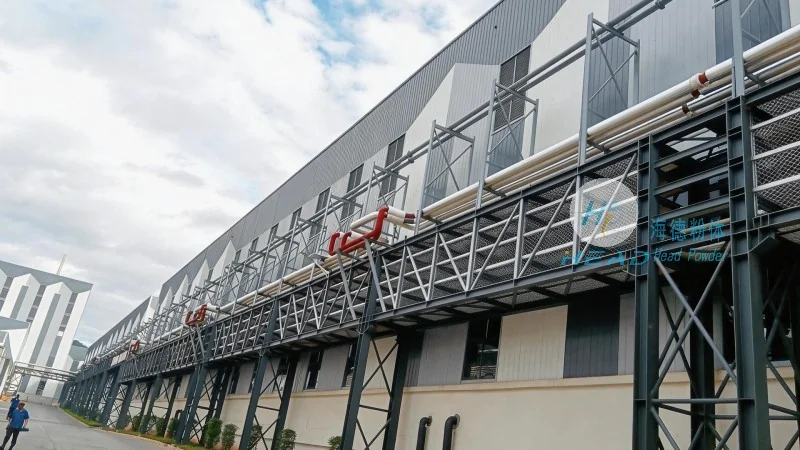
Iron powder pneumatic conveying lines offer several advantages over traditional mechanical conveying methods, making them a preferred choice for many industries. One of the primary benefits is the ability to handle fine powders without the need for mechanical components that can cause contamination or wear. The system also provides flexibility in terms of layout, as the conveyor pipes can be installed in various configurations to accommodate different plant layouts. Additionally, pneumatic conveying systems can transport materials over long distances and at high speeds, reducing processing time and improving overall efficiency. These systems are particularly suitable for applications where the material is sensitive to moisture or temperature changes, as the enclosed pipe network protects it from external factors. The applications of iron powder pneumatic conveying lines are diverse, including the transportation of iron powder in steel production, the handling of iron oxide in pigment manufacturing, and the delivery of iron-based powders in pharmaceutical formulations. In each case, the system's ability to maintain material integrity and operate reliably makes it an essential component of the production process.