For industries dealing with bone powder, efficient and reliable material handling is crucial. The pneumatic conveying line for bone powder, developed by Shandong HeadPowder Engineering Co., Ltd., offers a sophisticated solution that ensures smooth operation and optimal performance. This article delves into the operation process and working principle of such a system, highlighting key components and the technology behind its functionality.
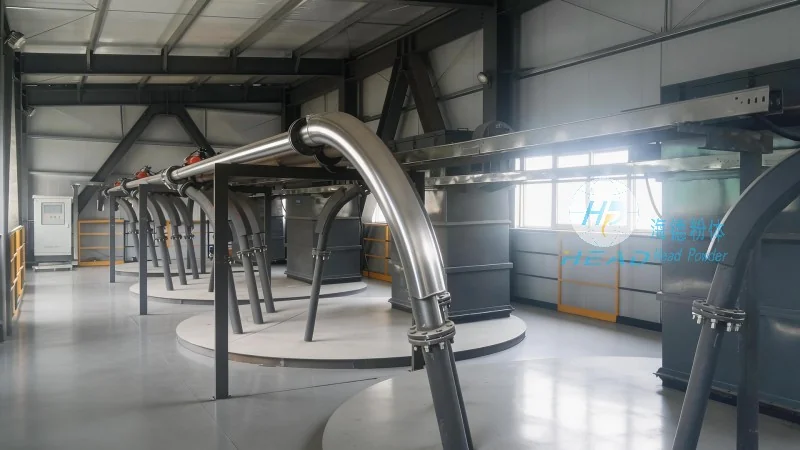
HeadPowder, as the name suggests, is a leading manufacturer specializing in engineering solutions for material handling. With a focus on innovation and quality, the company has established itself as a trusted partner in the industry. Based in Shandong, China, HeadPowder leverages its expertise to design and produce advanced pneumatic conveying systems tailored to the unique needs of bone powder processing facilities.
Working Principle of the Bone Powder Pneumatic Conveying Line
The core of the bone powder pneumatic conveying line lies in its ability to transport dry, fine materials like bone powder through an air stream. The system operates on the principle of pneumatic transport, where compressed air or gas is used to move the material from the source to the destination. Key components include the hopper, which stores the bone powder; the air compressor, which generates the necessary pressure; and the pipeline network that connects the various sections of the system. The process begins when the bone powder is fed into the hopper. The air compressor then draws air from the environment and pressurizes it, which is then introduced into the pipeline. As the air flows through the pipeline, it creates a low-pressure zone that draws the bone powder particles into the air stream. The mixture of air and bone powder travels through the pipeline, reaching the discharge point where the material is separated from the air and collected.
Operation Process of the Bone Powder Pneumatic Conveying Line
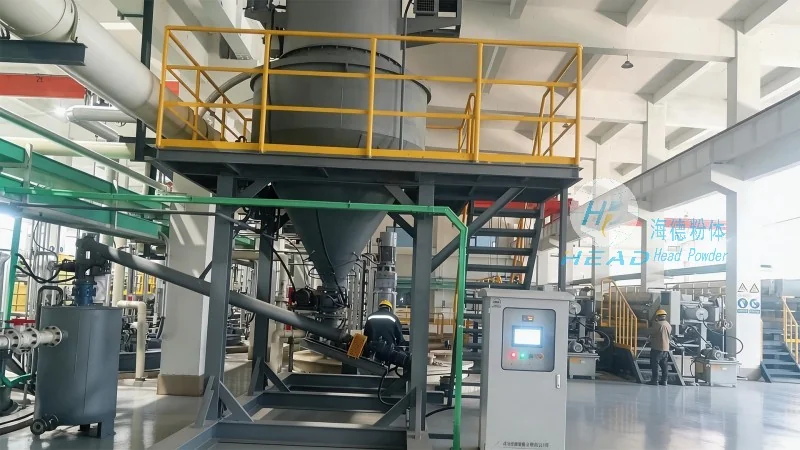
The operation process of the bone powder pneumatic conveying line involves several sequential steps that ensure efficient material transport. The first step is material loading, where bone powder is fed into the hopper from a storage silo or other feeding equipment. The hopper is equipped with a feeder that controls the flow rate of the material into the system. The second step is air compression, where the air compressor generates the required pressure to move the material. The compressor is typically a positive displacement type, such as a rotary screw or reciprocating compressor, which provides consistent pressure and flow. The third step is material transport, where the compressed air carries the bone powder through the pipeline. The pipeline is designed with appropriate diameter and length to minimize pressure drop and ensure smooth flow. The fourth step is material separation, where the bone powder is separated from the air at the discharge point. This is achieved through a cyclone separator or a bag filter, which captures the powder and returns the air to the system for reuse. The final step is material collection, where the separated bone powder is collected in a receiving container or silo.
Advantages of the Bone Powder Pneumatic Conveying Line
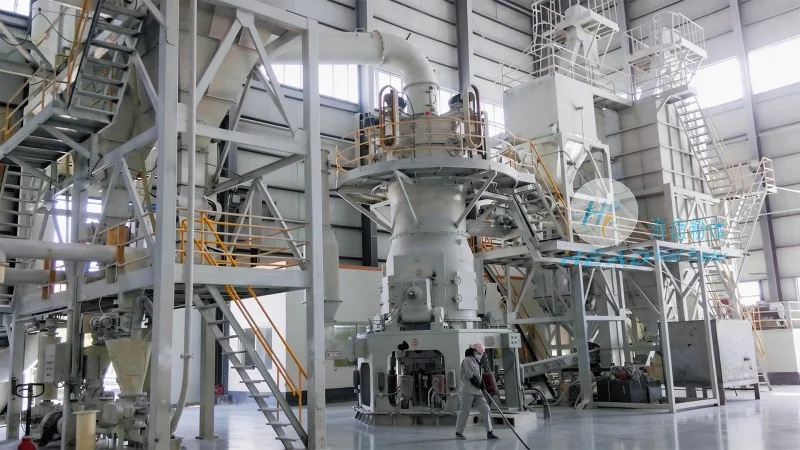
Implementing a pneumatic conveying line for bone powder processing offers several advantages over traditional methods like belt conveyors or manual handling. Firstly, it eliminates the need for physical contact between the material and the equipment, reducing the risk of contamination and ensuring product purity. Secondly, the system is highly efficient in terms of energy consumption, as it uses compressed air to transport the material rather than mechanical components. Thirdly, it provides a flexible and scalable solution, allowing for easy expansion or modification of the system to accommodate changing production needs. Additionally, the system is compact and space-saving, making it suitable for facilities with limited floor space. Finally, the pneumatic conveying line offers high reliability and low maintenance requirements, as it has fewer moving parts compared to other material handling systems.
Applications in Bone Powder Processing
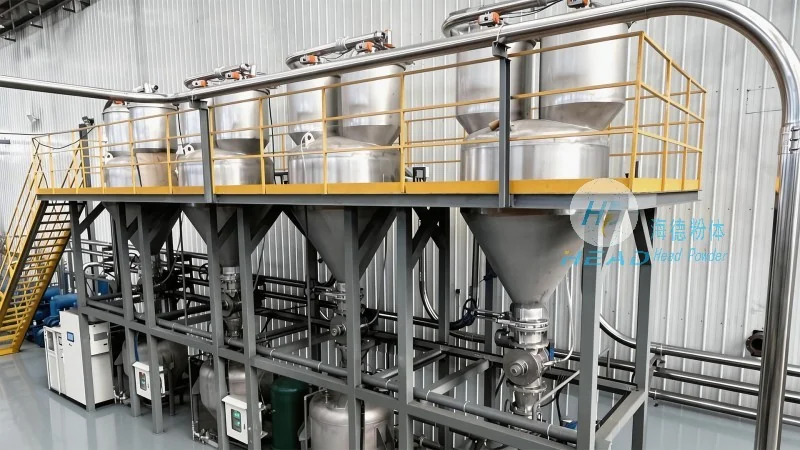
The bone powder pneumatic conveying line is widely used in various applications within the bone powder processing industry. One common application is the transport of bone powder from the grinding or milling stage to the packaging or storage area. This ensures that the material is moved quickly and efficiently, reducing processing time and improving overall productivity. Another application is the transfer of bone powder between different processing stages, such as from the drying unit to the sieving unit. The system can also be used for the transport of bone meal or other related products, making it a versatile solution for different processing needs. Additionally, the system is suitable for facilities that require high hygiene standards, as it can be designed with stainless steel components and sealed connections to prevent contamination.
Conclusion
The bone powder pneumatic conveying line developed by Shandong HeadPowder Engineering Co., Ltd. is a reliable and efficient solution for material handling in bone powder processing facilities. By understanding the working principle and operation process of the system, users can optimize its performance and ensure smooth operation. With its advanced technology and quality components, the system offers several advantages over traditional methods, making it an ideal choice for industries looking to improve their material handling processes. HeadPowder continues to innovate and provide tailored solutions to meet the evolving needs of the industry, ensuring that its customers achieve the best possible results in their bone powder processing operations.




