

The Operation Process and Working Principle of Monosodium Glutamate Pneumatic Conveying Lines
Monosodium glutamate (MSG) is a widely used flavor enhancer in the food industry, and the efficient handling of this product requires specialized equipment. The pneumatic conveying line is a critical component in the production and processing of MSG, ensuring safe, reliable, and high-efficiency transportation. This article provides a detailed overview of the operation process and working principle of a typical MSG pneumatic conveying line, highlighting the key components, operational steps, and the engineering expertise behind such systems.
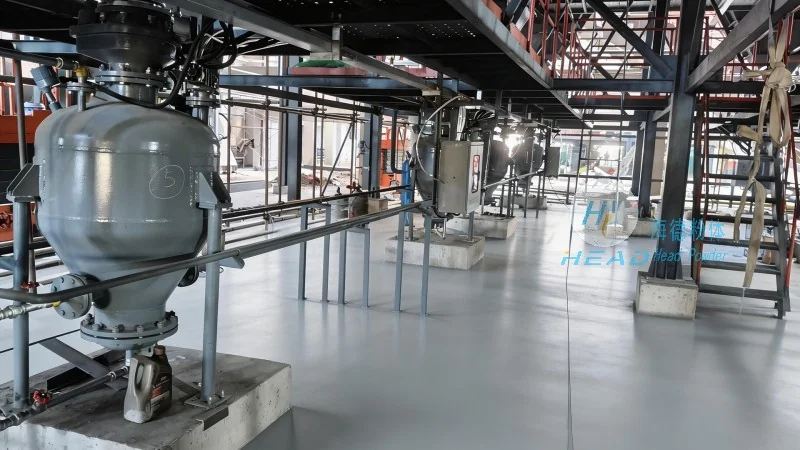
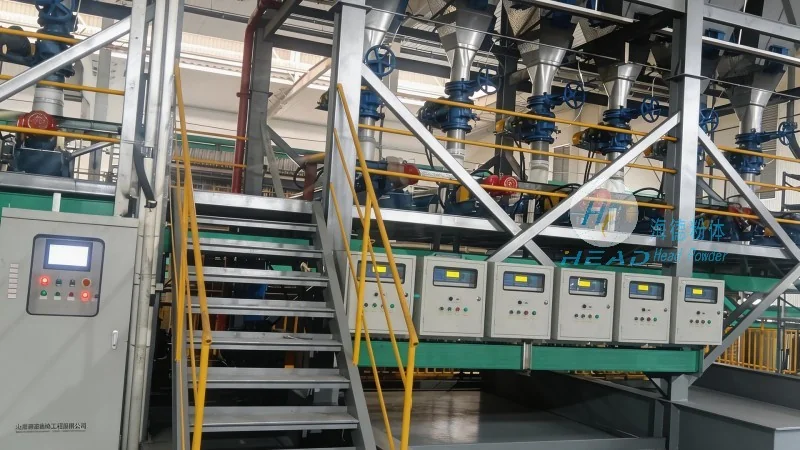
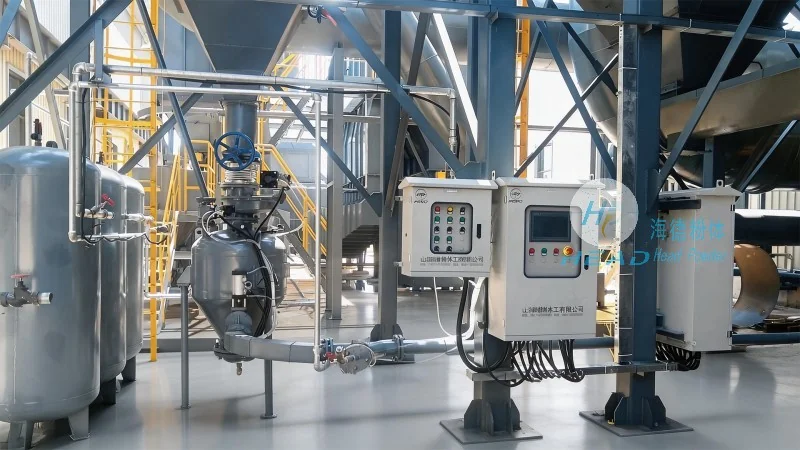
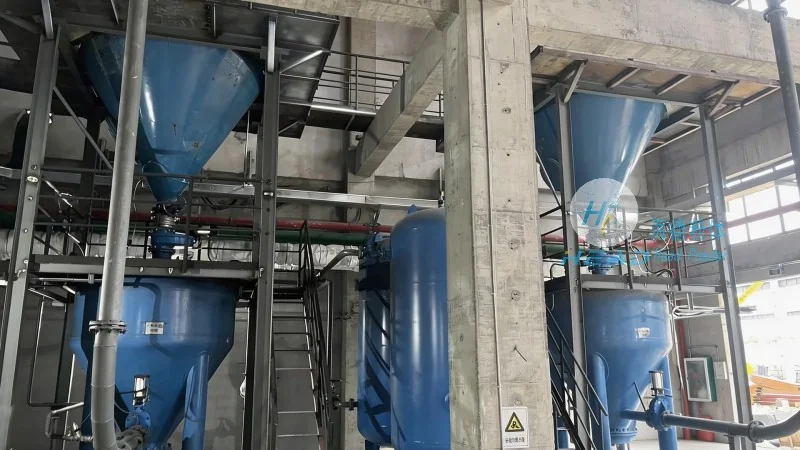
Introduction to Monosodium Glutamate Pneumatic Conveying Systems
Before delving into the specifics of the operation process, it is essential to understand the fundamental role of a pneumatic conveying system in the MSG production workflow. Pneumatic conveying systems utilize air or other gases to transport bulk materials like MSG powder through a pipeline network. This method offers several advantages over traditional mechanical conveying, including reduced risk of contamination, lower maintenance costs, and the ability to handle materials in a closed system, which is crucial for food-grade products.
Key Components of an MSG Pneumatic Conveying Line
The efficiency and reliability of an MSG pneumatic conveying line depend on the integration of several key components. Each part plays a vital role in the overall operation, ensuring that the material is transported from the source to the destination without loss or degradation. The primary components include: