Quantitative weighing pneumatic conveying lines represent a sophisticated solution for bulk material handling, integrating pneumatic transport technology with precise weighing capabilities. These systems are engineered to deliver accurate, controlled material flow, making them indispensable in industries where product consistency and operational efficiency are paramount. The core function of such lines is to transport powders, granules, or other bulk solids from a source to a destination while maintaining a consistent weight or volume measurement throughout the process. As a leading manufacturer in this field, Shandong HeadPowder Engineering Co., Ltd. specializes in designing and manufacturing high-quality quantitative weighing pneumatic conveying lines that meet the stringent requirements of various industries.
Key Components and Their Functions
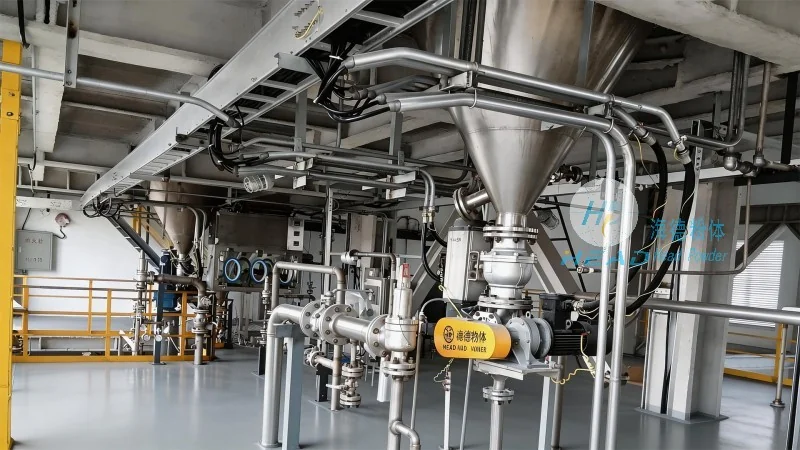
The quantitative weighing pneumatic conveying line typically consists of several critical components that work in tandem to ensure optimal performance. The primary components include a material hopper or feeder, a pneumatic conveying system (such as a positive or negative pressure system), a weighing scale or load cell, and a control unit. The material hopper is responsible for storing and feeding the bulk material into the conveying line. It may feature a rotary valve or screw feeder to regulate the material flow rate, ensuring a steady supply to the pneumatic system. The pneumatic conveying system then transports the material through a pipeline network, using air pressure or vacuum to move the particles. The weighing scale, often integrated into the hopper or a dedicated weighing hopper, measures the mass of the material being conveyed in real-time. The control unit processes the weighing data and adjusts the feeder or air flow to maintain the desired weight or flow rate, providing closed-loop control for precise operation.
Working Principle of the System
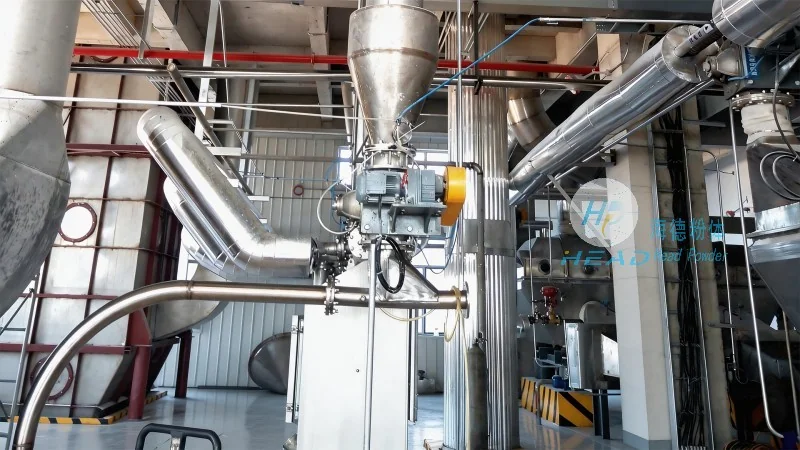
The operation of a quantitative weighing pneumatic conveying line follows a systematic process that ensures accurate material transport. Initially, the bulk material is loaded into the material hopper. The feeder then begins to discharge the material into the pneumatic conveying line. Simultaneously, the control unit activates the air compressor or vacuum pump to generate the necessary airflow. The material is then carried by the air stream through the pipeline to the discharge point. The weighing scale continuously monitors the mass of the material in the hopper or the conveying line, providing feedback to the control system. Based on the real-time weight data, the control unit adjusts the feeder speed or air pressure to maintain the target flow rate. This closed-loop control mechanism ensures that the material is conveyed at a consistent weight, preventing over- or under-conveying. The system may also include additional features such as material cleaning mechanisms, pressure relief valves, and safety interlocks to enhance operational safety and reliability.
Operation Process Step-by-Step
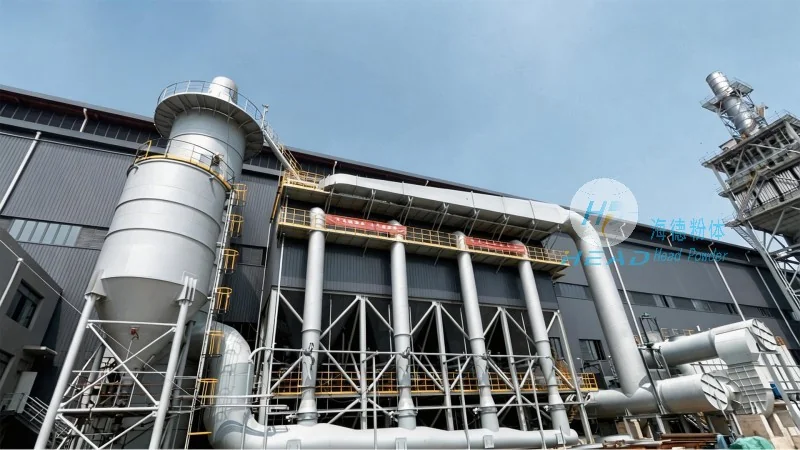
The operation of a quantitative weighing pneumatic conveying line can be broken down into several key steps, each contributing to the overall efficiency and accuracy of the system. The first step involves preparing the system for operation, which includes checking the material hopper for sufficient material, verifying the air pressure or vacuum levels, and ensuring all electrical connections are secure. Once the system is ready, the feeder is activated to start the material flow. The control unit then initiates the pneumatic conveying process, with the air compressor providing the necessary pressure to move the material. As the material is conveyed, the weighing scale continuously measures the mass, and the control system adjusts the feeder speed to maintain the desired weight. The material reaches the discharge point, where it is collected in a container or transferred to the next processing stage. After the material has been fully conveyed, the system is shut down, and the hopper is refilled as needed. This step-by-step process ensures that the system operates smoothly and consistently, minimizing downtime and maximizing productivity.
Advantages and Applications
Quantitative weighing pneumatic conveying lines offer several advantages over traditional material handling methods, making them a preferred choice in many industrial applications. One of the primary benefits is the high level of accuracy in material transport, which is critical for industries where product specifications must be strictly adhered to. The closed-loop control system ensures that the material is conveyed at a consistent weight, reducing waste and improving product quality. Additionally, these systems are designed for efficient material handling, minimizing the need for manual intervention and reducing labor costs. The pneumatic conveying technology allows for the transport of materials over long distances without the need for complex machinery or infrastructure, making them suitable for various plant layouts. The applications of quantitative weighing pneumatic conveying lines are diverse, including the transportation of food powders, chemical powders, pharmaceutical ingredients, and industrial minerals. In food processing, for example, these systems are used to transport ingredients such as flour, sugar, and spices with high accuracy, ensuring consistent product quality. In chemical manufacturing, they are used to handle reactive or hazardous materials safely and efficiently. In pharmaceutical production, the precise weighing and conveying capabilities are essential for maintaining the purity and consistency of active ingredients.
Maintenance and Operational Considerations
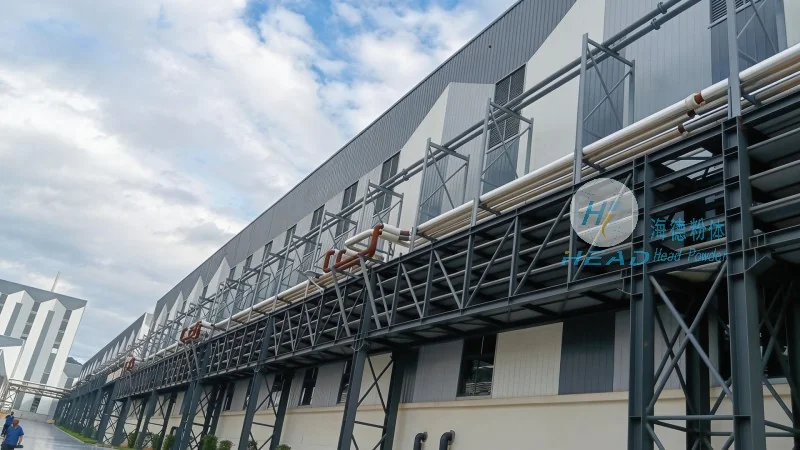
To ensure the long-term performance and reliability of a quantitative weighing pneumatic conveying line, regular maintenance and proper operational practices are essential. The system components, such as the material hopper, feeder, and pneumatic conveying pipes, should be inspected regularly for signs of wear or damage. The weighing scale and control unit require periodic calibration to maintain accuracy. The air compressor or vacuum pump should be checked for proper operation and maintained to prevent air leaks or pressure fluctuations. Material buildup in the hopper or pipes can affect the system's performance, so regular cleaning is necessary to prevent blockages and ensure smooth operation. Operational considerations also include monitoring the system for any abnormal behavior, such as fluctuations in weight or air pressure, and addressing issues promptly to avoid downtime. Proper training of operators on the system's operation and maintenance is also crucial for maximizing the system's lifespan and efficiency.




