

Principle and Working Scene Characteristics of Dry Manure Pneumatic Conveying Equipment
HeadPowder, a leading manufacturer based in Shandong, China, specializes in providing advanced dry manure pneumatic conveying solutions. This equipment is designed to efficiently transport dry manure materials through a pneumatic system, offering a reliable and efficient method for agricultural and waste management applications. The following sections will explore the fundamental principles behind this technology and the diverse operational scenarios where it excels.
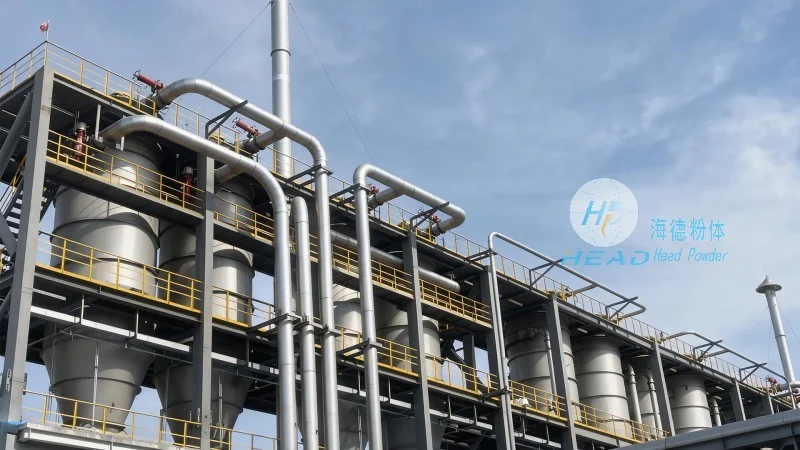
The Core Principle of Pneumatic Conveying for Dry Manure
The dry manure pneumatic conveying machine operates on the principle of using compressed air to move dry, granular materials. Unlike traditional mechanical conveyors, this system relies on air pressure to create a flow of material through a pipeline. The process typically involves a hopper where the dry manure is loaded, a compressor that generates the necessary air pressure, and a pipeline network that transports the material to its destination. The key components include the material hopper, air compressor, conveying line, and discharge outlet. The system works by creating a pressure differential: the compressor pushes air into the pipeline, and the dry manure is entrained by the air flow, moving through the system with minimal friction and energy loss. This method is particularly effective for materials that are dusty or have a tendency to clump, as the air flow helps to keep the material in a suspended state, preventing blockages and ensuring smooth transport.
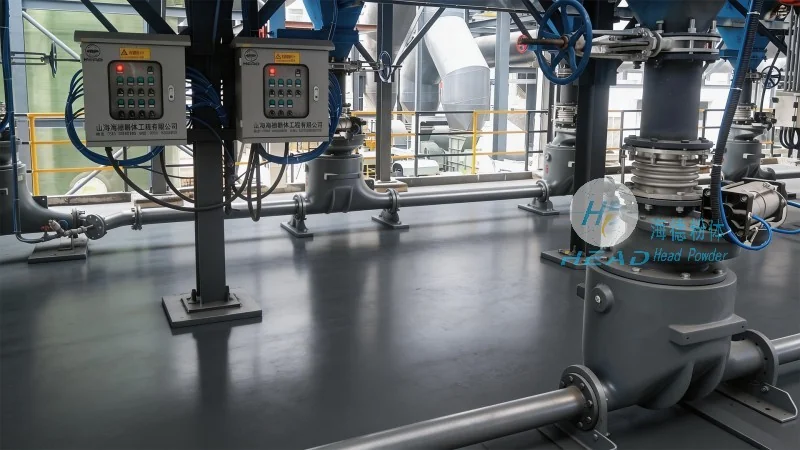
Key Working Scene Characteristics
The application of dry manure pneumatic conveying machines is characterized by several distinct features that make them ideal for specific environments. First, the system is highly adaptable to various material types, including dried manure, compost, and other organic waste. Its ability to handle fine particles and prevent clogging makes it suitable for facilities where material consistency varies. Second, the equipment is designed for long-distance transport, capable of moving materials over several hundred meters without significant loss of efficiency. This is achieved through optimized pipeline design and air pressure management, ensuring consistent material flow rates. Third, the system offers a hygienic and clean operation, as the enclosed pipeline prevents exposure to the environment and reduces the risk of contamination. This is crucial for applications in food processing or agricultural settings where product purity is essential. Additionally, the dry manure pneumatic conveying machine is energy-efficient compared to traditional methods, as it minimizes the need for mechanical components and reduces power consumption. The use of compressed air as the primary driving force allows for lower operational costs and reduced maintenance requirements.
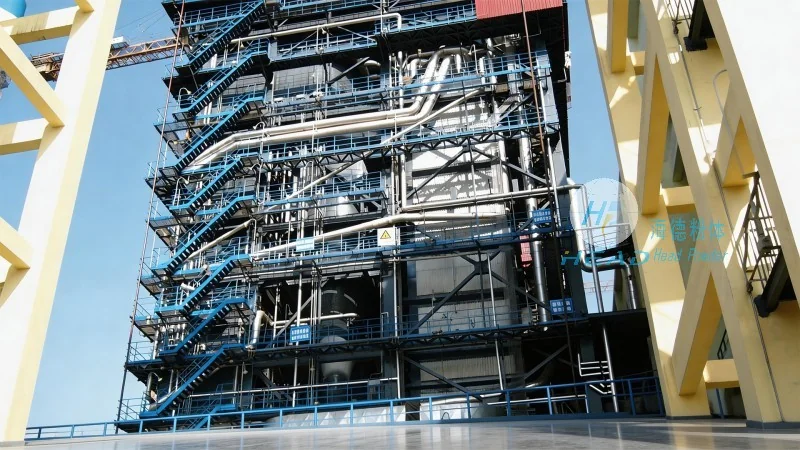
Operational Scenarios and Practical Applications
HeadPowder's dry manure pneumatic conveying machines are widely used in various operational scenarios across the agricultural and waste management sectors. In large-scale farms, these systems are employed to transport dried manure from storage facilities to composting or processing plants. The ability to handle large volumes of material efficiently supports the high productivity demands of modern agriculture. In waste treatment facilities, the equipment is used to move organic waste from collection points to processing units, facilitating the conversion of waste into valuable resources such as compost or bioenergy. The system's flexibility also makes it suitable for small to medium-sized operations, where it can be integrated into existing infrastructure to improve material handling efficiency. Furthermore, the dry manure pneumatic conveying machine is used in research and development settings to transport and analyze samples of dried manure, supporting scientific studies on organic waste management and composting processes. The consistent and controlled transport of material ensures that laboratory samples are not compromised, maintaining the integrity of experimental data.
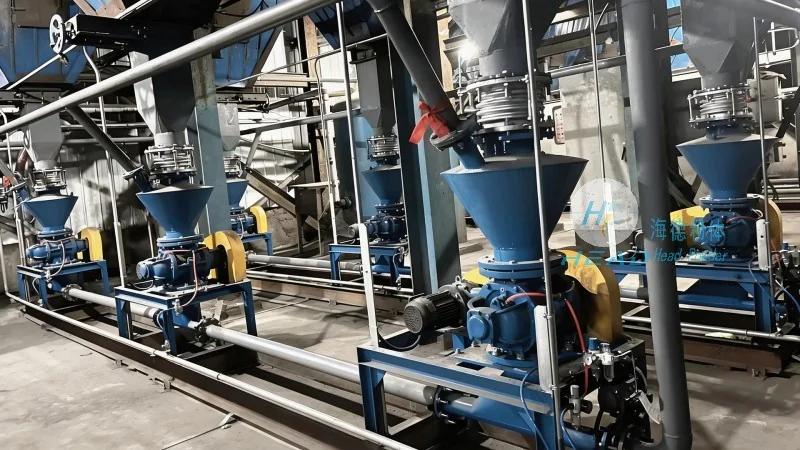
Advantages and Considerations in Practical Use
When implementing a dry manure pneumatic conveying system, several advantages and considerations must be taken into account. The primary benefits include high efficiency in material transport, reduced labor costs due to automated operation, and improved hygiene compared to manual handling. The system's ability to handle fine particles and prevent clogging reduces downtime and maintenance expenses, leading to long-term cost savings. However, there are also considerations related to air pressure requirements and energy consumption. The system requires a reliable air compressor and sufficient power supply to maintain optimal performance. Additionally, the pipeline design must be carefully planned to avoid bends and obstructions that could impede material flow. Proper maintenance of the compressor and pipeline components is essential to ensure consistent operation and prevent breakdowns. HeadPowder provides comprehensive support for system installation and maintenance, ensuring that customers can maximize the benefits of their dry manure pneumatic conveying equipment.