

Analysis of Pneumatic Conveying Technology for Textile Fibers: Comparison of Positive and Negative P
For textile manufacturers and processing facilities, the efficient and reliable transport of fibers is a critical operational challenge. Pneumatic conveying systems offer a solution by using air to move fibers through pipelines, eliminating the need for mechanical components like belts or rollers. Among the various pneumatic conveying technologies, positive pressure and negative pressure modes are the two primary approaches, each with distinct characteristics and applications. This article provides an in-depth analysis of these two modes, highlighting their differences, advantages, and practical considerations for textile fiber handling.
Understanding Pneumatic Conveying Basics
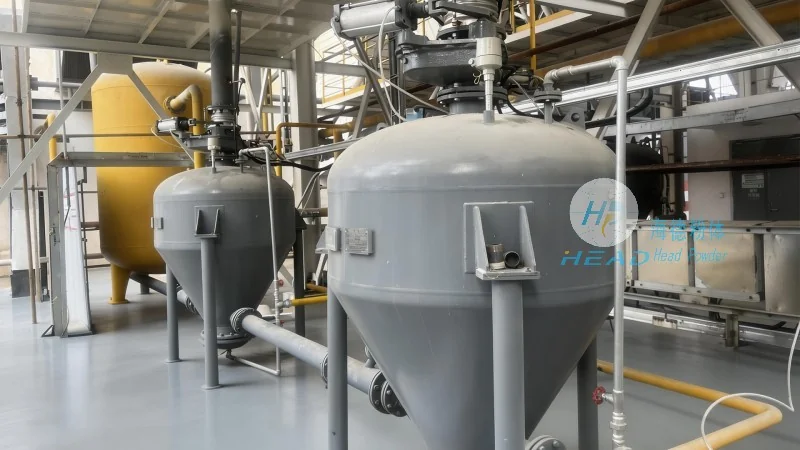
Pneumatic conveying is a method of transporting bulk materials, such as textile fibers, through a pipeline using air as the motive force. The system typically consists of a hopper, a conveyor line, and a receiver. The key difference between positive and negative pressure systems lies in how air is introduced into the system to create the necessary pressure differential for material movement.
Positive Pressure Pneumatic Conveying
Positive pressure systems operate by blowing air into the conveyor line, creating a pressure higher than the ambient air pressure. This air flow propels the fibers forward through the pipeline. The system is often called a "blower system" or "pressure system." In a positive pressure setup, the entire conveying line is under positive pressure, and the material is drawn from the hopper into the line by the moving air. This mode is particularly effective for short to medium conveying distances and for handling fibers that are light and free-flowing.
The primary advantage of positive pressure is its ability to handle a wide range of fiber types, including those that are dusty or have low bulk density. The high air velocity in the line ensures that even fine fibers are entrained and transported efficiently. Additionally, positive pressure systems are generally more robust and easier to maintain, as they do not require vacuum pumps or complex vacuum systems. However, they may not be suitable for long-distance conveying due to the energy consumption associated with maintaining high pressure throughout the entire line.
Negative Pressure Pneumatic Conveying
Negative pressure systems, also known as vacuum systems, operate by creating a vacuum in the conveyor line, which draws fibers from the hopper into the line. The system uses a vacuum pump to reduce the pressure inside the line below ambient levels, causing the fibers to be pulled along with the air flow. This mode is often referred to as a "suction system" or "vacuum system." Negative pressure is particularly well-suited for long-distance conveying and for handling fibers that are heavy or have high bulk density, as the vacuum can effectively pull material over greater distances without the need for high air velocities.
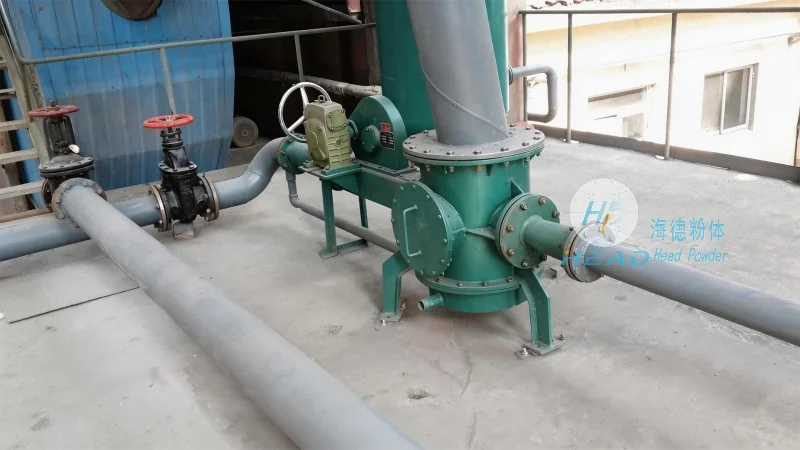
A key advantage of negative pressure is its lower energy consumption for long-distance transport, as the vacuum pump only needs to maintain a pressure differential rather than high pressure throughout the line. This makes it more energy-efficient for extended conveying applications. However, negative pressure systems may be more complex to design and maintain, as they require careful consideration of vacuum pump capacity and line sealing to prevent air leaks. Additionally, they may not be as effective for handling very fine or dusty fibers, as the low air velocity in the line can lead to material deposition or blockages.
Key Differences and Performance Comparison
When comparing positive and negative pressure pneumatic conveying systems for textile fibers, several factors must be considered. The most significant difference is the direction of air flow and the pressure differential. Positive pressure uses high pressure to push fibers forward, while negative pressure uses low pressure (vacuum) to pull fibers. This difference directly impacts the system's energy consumption, material handling capabilities, and suitability for different fiber types and conveying distances.
For short to medium distances (typically up to 100 meters), positive pressure systems are often more cost-effective and easier to implement. They require less complex equipment and can handle a wider variety of fiber characteristics. In contrast, negative pressure systems are preferred for longer distances (up to several hundred meters or more) and for handling heavier or bulkier fibers. The energy efficiency of negative pressure systems becomes a major advantage in these scenarios, as the vacuum pump operates at lower power levels compared to the high-pressure blowers used in positive pressure systems.
Another critical consideration is the impact on fiber quality and integrity. Positive pressure systems, with their higher air velocities, may cause more fiber abrasion or breakage, especially for delicate or fine fibers. Negative pressure systems, with lower air velocities, are generally gentler on fiber quality, making them suitable for applications where fiber strength and length are critical, such as in high-quality textile production. However, negative pressure systems may require more careful line design to prevent material buildup and ensure consistent flow.
Practical Applications and Industry Use Cases
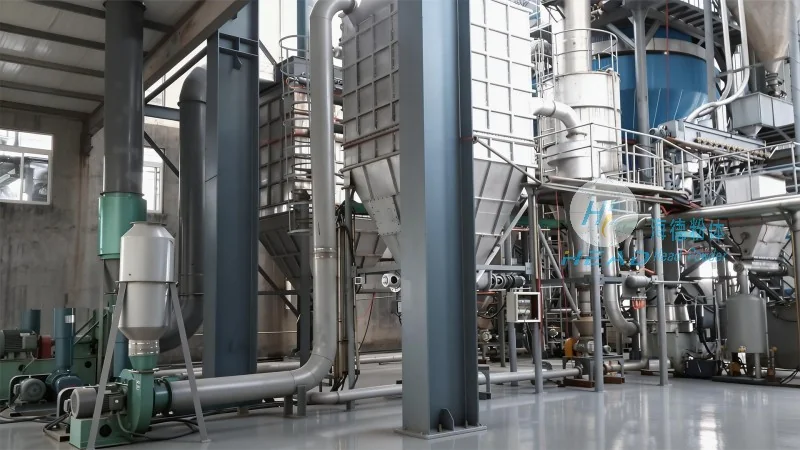
The choice between positive and negative pressure pneumatic conveying depends on the specific requirements of the textile processing facility. For example, a facility processing short staple fibers for non-woven fabrics may benefit from a positive pressure system due to its ability to handle dusty and low-density materials efficiently. Conversely, a facility producing long fiber yarns may opt for a negative pressure system to minimize fiber damage and maintain product quality.
In industrial settings, positive pressure systems are commonly used in applications such as fiber transport from bales to processing machines, while negative pressure systems are preferred for transporting fibers from processing machines to storage or packaging areas, especially when the distance is significant. The flexibility of these systems allows manufacturers to adapt to different production needs, ensuring optimal performance and efficiency in fiber handling operations.
Conclusion and Recommendations
Both positive and negative pressure pneumatic conveying technologies offer effective solutions for textile fiber transport, with each mode suited to specific operational requirements. Positive pressure systems excel in short to medium-distance applications and for handling a wide range of fiber types, while negative pressure systems are ideal for long-distance conveying and for preserving fiber quality. When selecting a system, manufacturers should consider factors such as conveying distance, fiber characteristics, energy efficiency, and operational complexity.
For textile processing facilities in China, Shandong HeadPowder Engineering Co., Ltd. provides specialized pneumatic conveying solutions tailored to the unique needs of the industry. With years of experience in designing and implementing efficient fiber transport systems, HeadPowder offers customized solutions that balance performance, reliability, and cost-effectiveness. Whether a facility requires a positive pressure or negative pressure system, HeadPowder's expertise ensures that the chosen technology meets the specific demands of textile fiber handling, contributing to improved operational efficiency and product quality.