

Analysis of Cement Clinker Pneumatic Conveying Technology: Comparison of Positive and Negative Press
Pneumatic conveying technology plays a crucial role in the modern cement industry, enabling efficient and reliable transportation of cement clinker from production sites to storage or processing facilities. This method involves the use of air to move bulk materials through a pipeline system, offering advantages such as reduced equipment wear, improved safety, and the ability to handle materials in a dust-free environment. For cement manufacturers, selecting the appropriate pneumatic conveying mode—whether positive or negative pressure—is critical to optimizing operational efficiency and ensuring the quality of the final product.
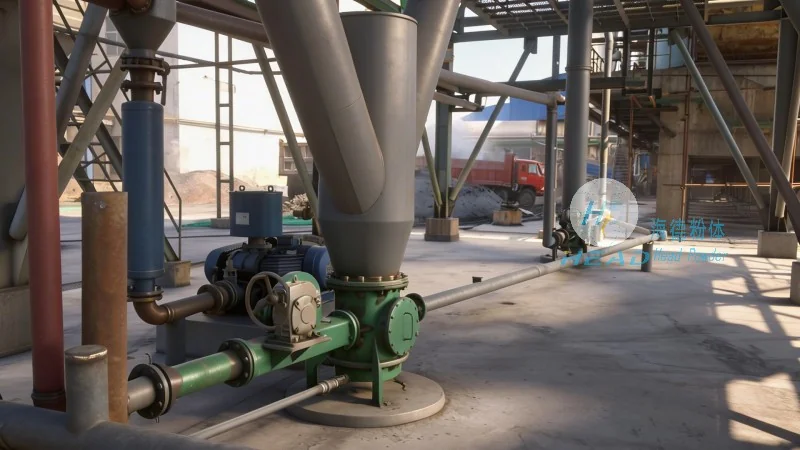
Understanding Positive Pressure Pneumatic Conveying
Positive pressure pneumatic conveying systems operate by generating air pressure within the conveying line, typically using a positive displacement blower or a centrifugal fan. The system forces air and material through the pipeline, ensuring a consistent flow rate and preventing material settling or blockages. This mode is particularly effective for transporting cement clinker over long distances or through complex network systems, as the positive pressure maintains material movement even in vertical or horizontal sections. The primary advantage of positive pressure systems is their ability to handle high material loads and resist backflow, making them suitable for large-scale industrial applications. However, they may require more robust equipment and higher energy consumption compared to negative pressure systems, which can impact operational costs.
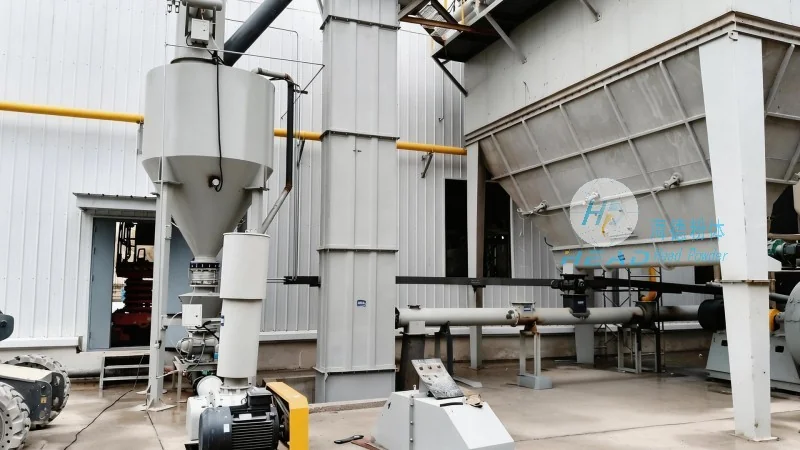
Exploring Negative Pressure Pneumatic Conveying
Negative pressure pneumatic conveying, also known as suction or vacuum conveying, works by creating a vacuum in the conveying line to draw material from the source. This method uses a vacuum pump to pull air and material through the pipeline, often from a hopper or storage silo. Negative pressure systems are ideal for short-distance or low-volume applications, as they can efficiently transport materials from a single source to a processing unit. The key benefits of this mode include lower equipment costs and reduced energy consumption, as the vacuum pump operates at lower pressures. However, negative pressure systems may struggle with long-distance or high-volume transport, as the vacuum can lead to material degradation or blockages if not properly managed. Additionally, they are more susceptible to external air leaks, which can affect the conveying efficiency and material quality.
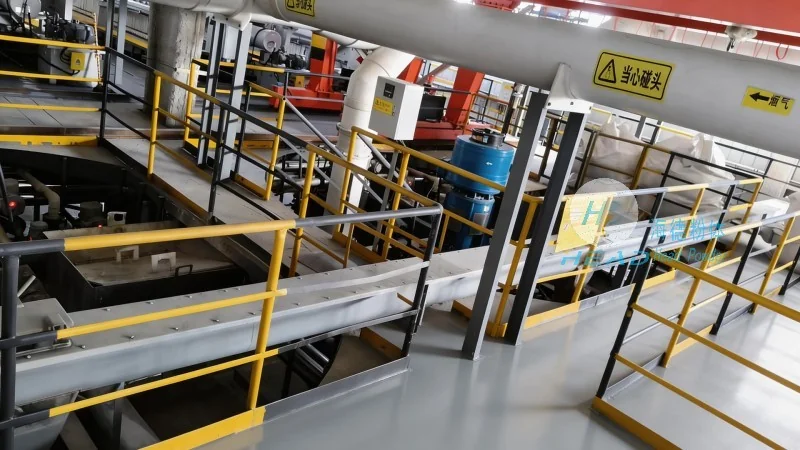
Comparative Analysis: Positive vs. Negative Pressure Modes
When evaluating the suitability of pneumatic conveying modes for cement clinker transport, several factors must be considered, including material characteristics, distance, and operational requirements. Positive pressure systems excel in scenarios where high material throughput and long-distance transport are required, as they maintain consistent flow and prevent material degradation. In contrast, negative pressure systems are more suitable for short-distance or low-volume applications, where cost-effectiveness and lower energy consumption are prioritized. The choice between the two modes also depends on the specific properties of cement clinker, such as its particle size, moisture content, and flowability. For example, clinker with high moisture content may require positive pressure systems to prevent caking or blockages, while dry, free-flowing clinker might be suitable for negative pressure transport.
Key Considerations for Selecting the Right Pneumatic Conveying System
Choosing the appropriate pneumatic conveying mode for cement clinker involves a comprehensive assessment of operational needs, material characteristics, and cost implications. Factors such as the distance between the production and storage areas, the volume of material to be transported, and the existing infrastructure all play a role in the decision-making process. Additionally, the system's ability to handle variations in material flow, such as fluctuations in clinker production, must be considered. For instance, a positive pressure system may be preferred in a large-scale cement plant with multiple production lines and long-distance transport requirements, while a negative pressure system might be more suitable for a smaller facility with shorter transport distances and lower material volumes.
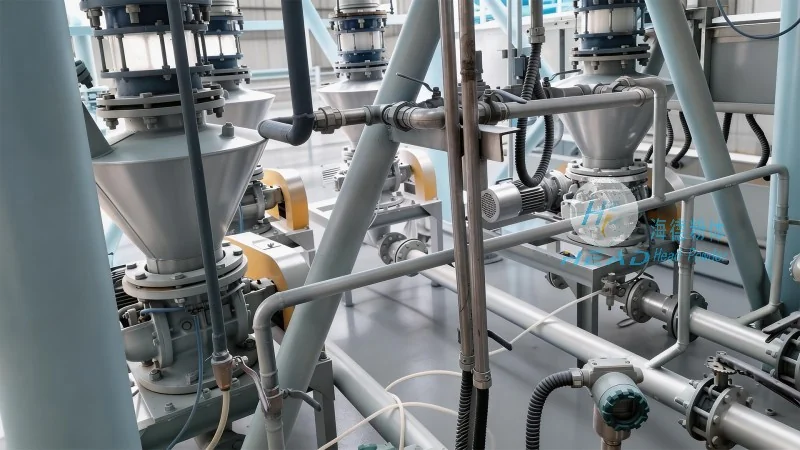
Role of Shandong HeadPowder Engineering Co., Ltd. in Cement Clinker Pneumatic Conveying
Shandong HeadPowder Engineering Co., Ltd., a leading provider of industrial conveying solutions, specializes in designing and implementing customized pneumatic conveying systems for the cement industry. With years of experience in the field, the company understands the unique challenges of cement clinker transport and offers tailored solutions that address specific operational needs. HeadPowder engineers work closely with clients to assess their material characteristics, transport requirements, and budget constraints, ensuring that the selected system maximizes efficiency and minimizes downtime. The company's expertise extends to both positive and negative pressure systems, allowing clients to choose the most suitable mode based on their specific circumstances. By leveraging advanced technology and engineering expertise, HeadPowder provides reliable and durable conveying solutions that enhance the overall performance of cement production facilities.