In the conveying process of bioenzymes and other fine chemical products, pneumatic conveying technology, with its advantages of high efficiency, cleanliness, and no pollution, has become the mainstream choice in the industry. However, for bioenzymes that are highly active and sensitive to environmental conditions, selecting an appropriate conveying method is crucial. This article will delve into the comparison and analysis of positive pressure and negative pressure conveying, two pneumatic conveying methods, from multiple dimensions such as technical principles, application scenarios, and advantages and disadvantages, to help users choose the most suitable conveying solution according to their actual needs.
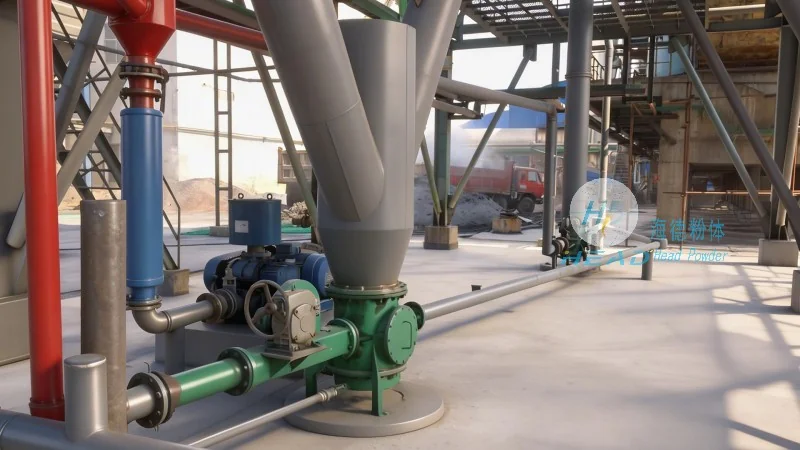
Positive Pressure Conveying Technology: High-Pressure Airflow Drives Material Transport
Positive pressure conveying, also known as pressure-type pneumatic conveying, uses a continuously high-pressure airflow inside the conveying pipeline to push materials from the feeding point to the unloading point. For bioenzymes that require precise control of conveying pressure and speed, positive pressure conveying shows significant advantages. First, the positive pressure system typically uses a closed pipeline, effectively isolating the bioenzyme from external environments like airborne microbes and moisture, thus maintaining its biological activity and stability. Second, the conveying pressure of the positive pressure system can be precisely regulated to adapt to different conveying distances and heights, ensuring uniform flow rates of the material and reducing particle breakage and activity loss during the conveying process. Additionally, the positive pressure system is usually equipped with advanced control devices such as frequency converters and pressure sensors, enabling real-time monitoring and adjustment of conveying parameters for automated operation and improving production efficiency.
However, positive pressure conveying also has some limitations. For example, for long-distance or high-altitude conveying tasks, higher pressure is required, which increases system energy consumption and maintenance costs. At the same time, the positive pressure system has high requirements for pipeline sealing, and if sealing is poor, material leakage may occur, causing environmental pollution and reducing the biological activity of the enzyme. Furthermore, the unloading equipment of the positive pressure system is usually more complex, requiring additional unloading devices, which increases system investment and maintenance difficulty.
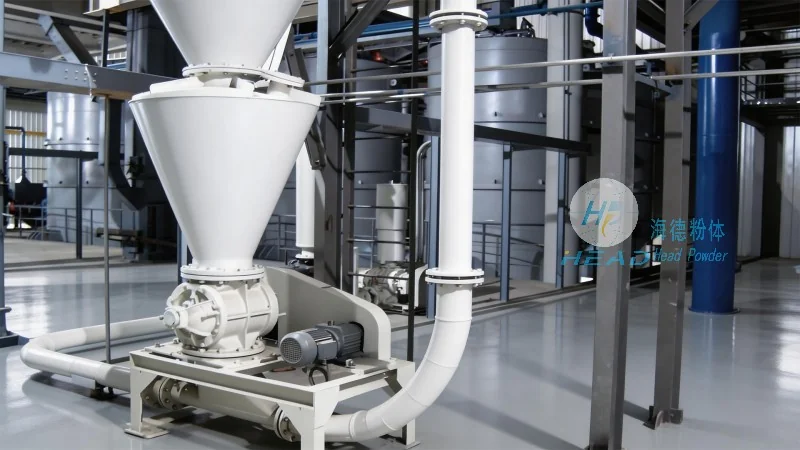
Negative Pressure Conveying Technology: Low-Pressure Airflow Attracts Material Transport
Negative pressure conveying, also known as suction-type pneumatic conveying, maintains a lower pressure than the ambient environment inside the conveying pipeline, using negative pressure to draw materials from the feeding point and transport them to the unloading point. Compared with positive pressure conveying, negative pressure conveying has unique advantages in handling bioenzymes and other fragile, high-activity materials. First, the conveying pressure of negative pressure conveying is relatively low, usually in a negative pressure state, which reduces the impact and breakage of material particles and effectively protects the biological activity of the enzyme. Second, the negative pressure system typically uses an open or semi-open feeding method, with the material contacting the air for a shorter time during the suction process, reducing the risk of microbial contamination. Additionally, the feeding equipment of negative pressure conveying is relatively simple, usually using a suction nozzle or hopper, which is easy to operate and suitable for handling bulk or powdery bioenzyme materials.
Although negative pressure conveying has the above advantages, it also presents some challenges. For example, the conveying distance of negative pressure conveying is usually short, and for long-distance conveying tasks, the negative pressure system's pressure may not meet the requirements, leading to a decrease in conveying efficiency. At the same time, the negative pressure system has high requirements for air filtration, requiring the installation of efficient dust removal equipment to prevent air impurities from entering the bioenzyme material and affecting its quality and activity. Furthermore, the energy consumption of negative pressure conveying is relatively low, but the system maintenance cost is high, especially for complex dust removal systems, which need to be cleaned and maintained regularly, otherwise affecting the conveying effect.
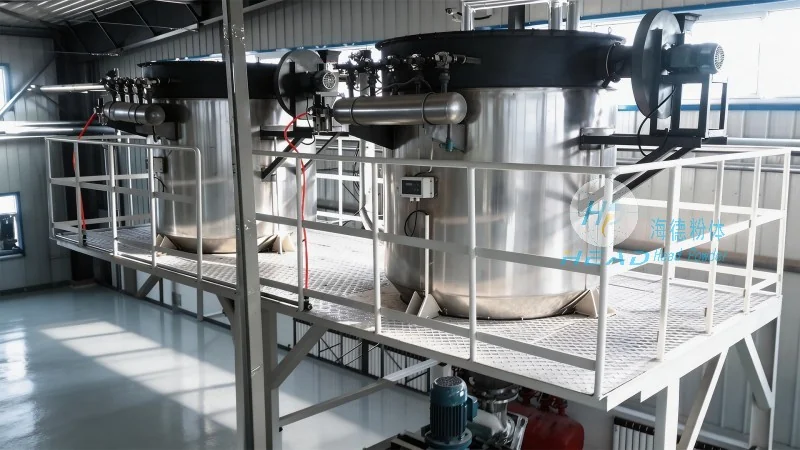
Comparison and Analysis of Positive and Negative Pressure Conveying
Comprehensively comparing the characteristics of positive and negative pressure conveying, we can evaluate them from multiple dimensions to help users choose the appropriate conveying method. First, from the perspective of conveying distance and height, positive pressure conveying is suitable for long-distance and high-altitude conveying tasks, while negative pressure conveying is more suitable for short-distance and low-height conveying. Second, from the perspective of material handling capacity, positive pressure conveying can handle larger material quantities, while negative pressure conveying is more suitable for fine powders or fragile materials. Third, from the perspective of system sealing and environmental control, the closed pipeline of positive pressure conveying is easier to achieve environmental isolation, while the open feeding of negative pressure conveying may increase pollution risks. Finally, from the perspective of energy consumption and maintenance cost, negative pressure conveying has lower energy consumption but higher maintenance costs, while positive pressure conveying has higher energy consumption but relatively simple maintenance.
Shandong HeadPowder Engineering Co., Ltd.: Professional Bioenzyme Conveying Solution Provider
In the application of positive and negative pressure conveying for bioenzymes, selecting a professional engineering company is crucial. Shandong HeadPowder Engineering Co., Ltd. (referred to as headpowder), a professional engineering company in Shandong, China, is committed to providing efficient and reliable pneumatic conveying solutions for bioenzymes and other fine chemical products. The company, with years of industry experience and technical accumulation, has rich experience in the design, manufacturing, installation, and maintenance of positive and negative pressure conveying systems. The engineering team of headpowder deeply understands the characteristics of bioenzymes and can customize conveying systems according to customers' actual needs to ensure high-efficiency operation and stable material conveying. In addition, the company uses advanced materials and manufacturing processes to ensure the sealing and corrosion resistance of the conveying pipeline, effectively preventing the bioenzyme from contacting the external environment and maintaining its biological activity. At the same time, headpowder provides comprehensive after-sales service and technical support, ensuring that any problems encountered by customers during use are resolved in a timely manner and extending the service life of the equipment.




