For bakeries and food processing facilities, the efficient handling of bread flour is crucial to maintaining production quality and operational efficiency. A bread flour material handling system is a specialized setup designed to transport, store, and manage flour from its arrival to the point of use in baking processes. This system integrates various components such as conveyors, storage silos, and control mechanisms to ensure smooth and consistent operation. Understanding the design principles behind these systems is essential for optimizing workflow and reducing downtime in flour handling operations.
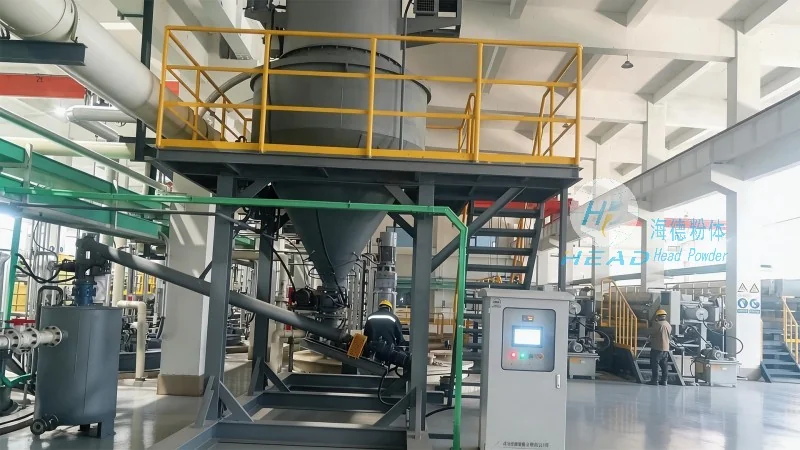
Introduction to Bread Flour Material Handling Systems
Bread flour, a staple ingredient in the baking industry, requires precise handling to preserve its quality and prevent contamination. A material handling system for bread flour typically begins with receiving raw flour from suppliers, where it is unloaded from trucks or containers. From there, the system moves the flour through a series of stages, including cleaning, storage, and dispensing. The design of such a system must account for the physical properties of flour—like its fine particle size and potential for dust generation—to ensure safe and effective operation. Companies like Shandong HeadPowder Engineering Co., Ltd., based in China, specialize in developing tailored solutions for flour handling, integrating industry best practices with custom engineering to meet the unique needs of each bakery or food processing plant.
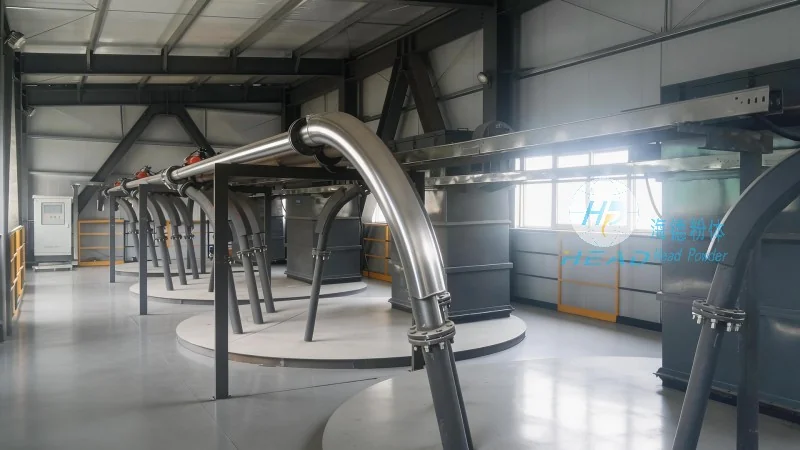
Key Components of a Bread Flour Material Handling System
The core components of a bread flour material handling system include bulk material conveyors, storage silos, and pneumatic or mechanical conveying systems. Bulk conveyors, such as belt or screw conveyors, are used to move flour from the receiving area to storage silos. These conveyors are designed to handle the high volume of flour while minimizing dust and spillage. Storage silos, often made of stainless steel or other food-grade materials, provide a secure and controlled environment for storing flour, protecting it from moisture, pests, and contamination. Pneumatic conveying systems, which use air pressure to transport flour, are another common component, especially for longer distances or when the flour needs to be moved to different parts of the facility. Each component is carefully selected and integrated to ensure seamless operation and compliance with food safety regulations.
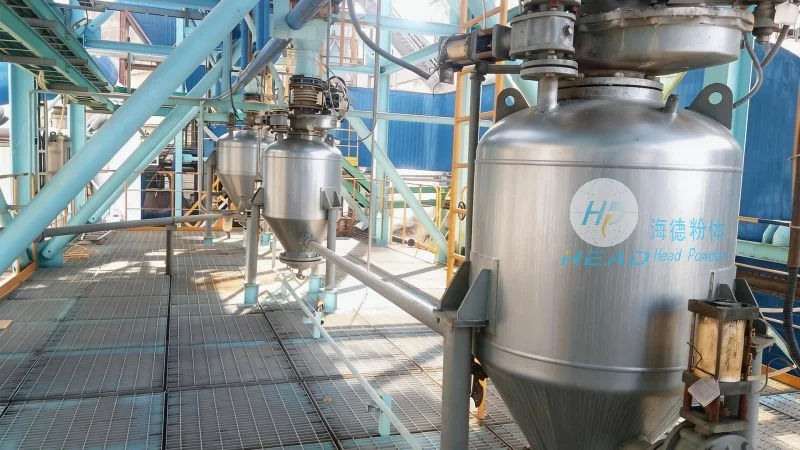
Design Principles for Optimal Performance
The design of a bread flour material handling system follows several key principles to ensure efficiency, safety, and reliability. First, the system must prioritize dust control and containment. Flour is a fine powder that can easily become airborne, posing health risks and causing operational issues. Therefore, components like dust collectors, sealed conveyors, and enclosed storage silos are essential to minimize dust exposure. Second, the system must be designed for easy cleaning and maintenance. Food processing equipment must adhere to strict hygiene standards, and a well-designed system allows for quick disassembly and cleaning to prevent cross-contamination. Third, the system should be scalable and adaptable to changing production needs. As a bakery grows or its product line expands, the material handling system should be able to accommodate increased flour volumes or additional processing steps without major overhauls. Shandong HeadPowder Engineering Co., Ltd. applies these principles in its custom designs, ensuring that each system is tailored to the specific requirements of the client, whether it's a small-scale bakery or a large industrial facility.
Benefits of an Efficient Bread Flour Material Handling System
Implementing a well-designed bread flour material handling system offers numerous benefits for food processing facilities. First, it improves operational efficiency by streamlining the flow of flour from receipt to use, reducing the time and labor required for manual handling. This leads to faster production cycles and increased output. Second, it enhances product quality by maintaining the purity and freshness of the flour. Proper storage and handling prevent moisture absorption or contamination, which can affect the texture and taste of baked goods. Third, it improves workplace safety by minimizing dust exposure and reducing the risk of accidents associated with manual handling of bulk materials. Additionally, an efficient system can lower operational costs by reducing waste and energy consumption. For example, a properly sealed conveyor system reduces flour spillage, while an optimized storage silo design minimizes the need for frequent restocking. These benefits make a well-designed material handling system a valuable investment for any bakery or food processing operation.
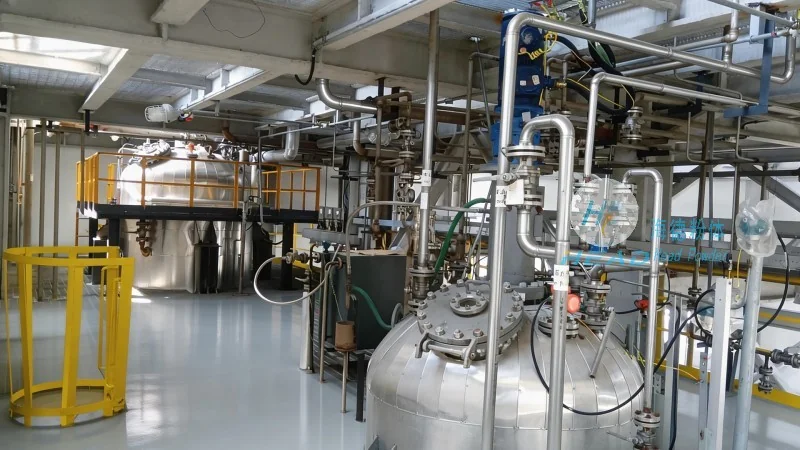
Conclusion and Company Overview
In conclusion, a bread flour material handling system is a critical component of modern baking operations, designed to ensure the efficient, safe, and consistent handling of flour. The design principles behind these systems focus on dust control, hygiene, scalability, and operational efficiency. Companies like Shandong HeadPowder Engineering Co., Ltd., based in China, specialize in providing tailored solutions that meet the unique needs of each client. By integrating industry best practices with custom engineering, these systems help bakeries and food processors maintain high-quality standards, improve productivity, and ensure workplace safety. Whether for a small artisan bakery or a large industrial facility, a well-designed material handling system is essential for success in the competitive food processing industry.




