

Principle and Working Scene Characteristics of Pneumatic Conveying Systems for Winery Waste Material
Winery waste materials, such as grape pomace and residual solids from the winemaking process, require efficient and hygienic handling to ensure proper disposal or reuse. Pneumatic conveying systems offer a versatile solution for transporting these materials, providing advantages over traditional methods like belt conveyors or manual handling. This article explores the fundamental principles behind pneumatic conveying systems, focusing on their application in winery waste management, and highlights key working scene characteristics that make them suitable for such environments.
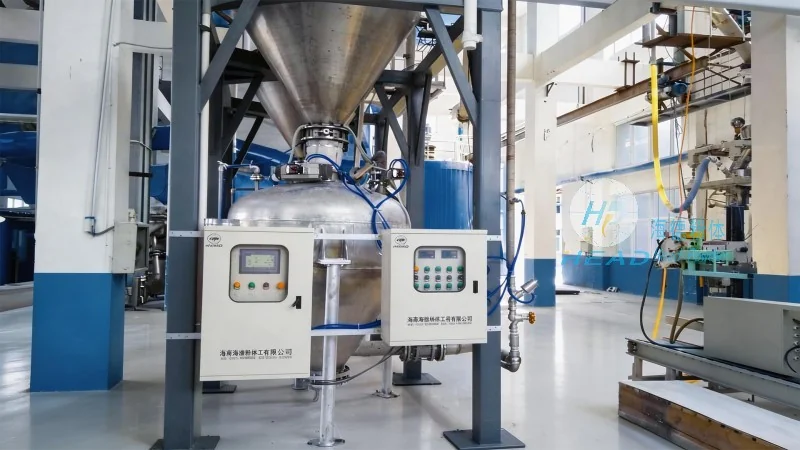
The Working Principle of Pneumatic Conveying Systems
A pneumatic conveying system operates by using compressed air or gas to transport bulk materials through a pipeline. The core components typically include a material feed hopper, a conveyor line (often with multiple sections like a primary and secondary line), a pressure vessel or receiver, and a control system. The process begins when the winery waste material is fed into the hopper. Compressed air is then introduced into the conveyor line, creating a flow that propels the material forward. The system can be categorized into two main types: dilute-phase and dense-phase, each with distinct characteristics that influence performance and suitability for different applications.
For winery waste materials, dilute-phase systems are commonly used due to their ability to handle fine powders and granules efficiently. In this system, the material is suspended in the air stream as individual particles, allowing for high-velocity transport over long distances. The air velocity is maintained above the material's terminal velocity to prevent settling. Conversely, dense-phase systems use lower air velocities and higher material concentrations, which are suitable for handling more abrasive or sticky materials. However, for most winery waste applications, dilute-phase systems provide better control over material flow and reduce the risk of blockages.
Key Working Scene Characteristics of Pneumatic Conveying Systems
The effectiveness of a pneumatic conveying system in winery settings is determined by several working scene characteristics that must be considered during system design and implementation. These include the material's physical properties, such as particle size, moisture content, and density, as well as the required transport distance and throughput. The system's design must also accommodate the hygienic requirements of the winery, ensuring that the equipment is easy to clean and maintain to meet food safety standards.
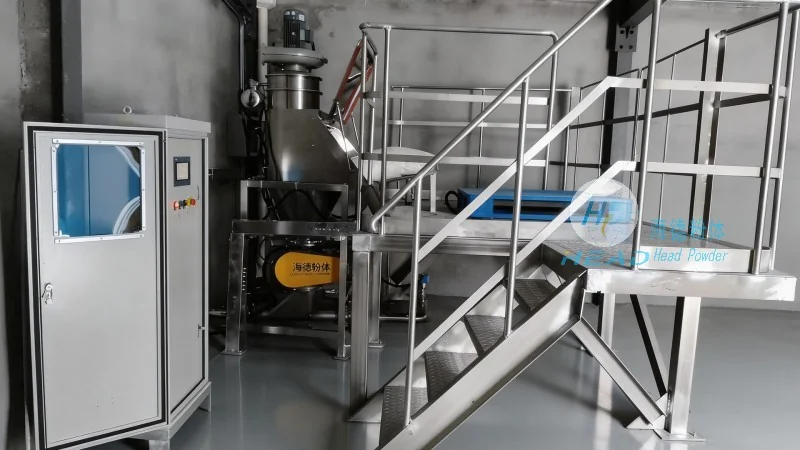
One critical characteristic is the system's ability to handle variable feed rates. Wineries often experience fluctuations in waste production, and the conveying system must be able to adapt to these changes without compromising performance. This is achieved through adjustable air pressure and flow rates, allowing operators to optimize the system for different production levels. Additionally, the system's energy efficiency is a key consideration, as wineries aim to minimize operational costs while maintaining high performance.
Another important characteristic is the system's integration with existing winery infrastructure. Pneumatic conveying systems can be designed to connect with existing storage silos, processing equipment, or waste disposal facilities, reducing the need for extensive modifications to the facility. This flexibility makes them a practical choice for wineries looking to upgrade their material handling processes without major disruptions.
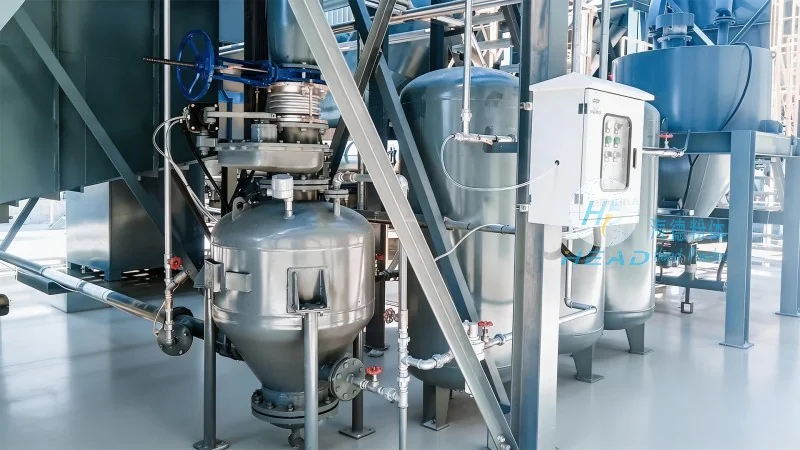
Company Overview: Shandong HeadPowder Engineering Co., Ltd.
Shandong HeadPowder Engineering Co., Ltd., operating under the brand name headpowder, specializes in the design, manufacturing, and installation of advanced pneumatic conveying systems tailored for various industrial applications, including winery waste management. With a focus on innovation and customer satisfaction, the company leverages years of experience in material handling technology to deliver customized solutions that meet the unique needs of each client.
HeadPowder's team of engineers and technicians works closely with clients to understand their specific requirements, from material characteristics to operational constraints. The company's product line includes a range of pneumatic conveying systems, from basic dilute-phase units to complex multi-line systems with integrated controls. Each system is designed to ensure reliable, efficient, and hygienic material transport, adhering to industry standards and regulatory requirements.
HeadPowder is committed to providing high-quality products and services, backed by rigorous quality control processes and a dedicated support team. The company's headquarters is located in Shandong, China, where it maintains state-of-the-art manufacturing facilities and a research and development center. This local presence allows for efficient project management and timely delivery of equipment, ensuring that clients receive the support they need throughout the system's lifecycle.