

What is a Negative Pressure Vacuum Material Handling System? And What Are Its Design Principles?
A negative pressure vacuum material handling system is a specialized industrial solution designed to transport bulk materials from one location to another using the principle of vacuum. This technology is widely used in various industries, including pharmaceuticals, food processing, and chemical manufacturing, where precise and dust-free material transfer is critical. The system operates by creating a negative pressure (or vacuum) in a collection or transport line, which draws the material into the system through a suction port. This method offers several advantages over traditional positive pressure systems, such as reduced air pollution, lower energy consumption, and enhanced safety for operators.
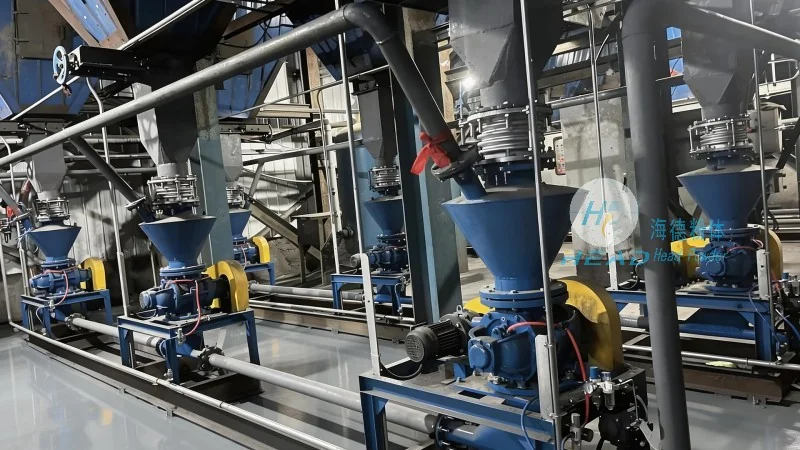
Key Components of a Negative Pressure Vacuum System
The core components of a negative pressure vacuum material handling system include a vacuum pump, suction hoses or pipes, material collection hoppers, control valves, and filtration systems. The vacuum pump is the heart of the system, responsible for generating the necessary vacuum to pull materials. The suction hoses or pipes are typically made of durable materials like stainless steel or PVC to withstand the demands of various bulk materials. Material collection hoppers are used to gather the material before it is drawn into the system, ensuring efficient and continuous operation. Control valves allow operators to regulate the flow of material and adjust the vacuum level as needed. Filtration systems are crucial for maintaining air quality and preventing dust or particles from escaping into the environment.
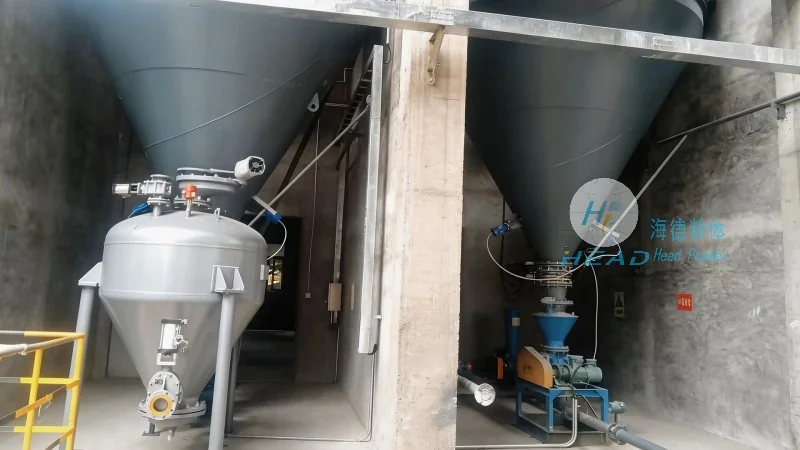
The Design Principles Behind Negative Pressure Vacuum Systems
The design of a negative pressure vacuum system is based on several fundamental principles to ensure efficient and reliable operation. The primary principle is the creation of a pressure differential between the material source and the vacuum pump. By maintaining a consistent negative pressure in the transport line, the system can draw materials from a hopper or storage bin into the collection hose. The system must also account for the material's density, flowability, and particle size, as these factors affect the required vacuum level and system design. For example, materials with high density or low flowability may require higher vacuum levels or additional assistance, such as a rotary airlock or a vibratory feeder, to ensure smooth transport. The design also considers the system's layout, including the length and diameter of the suction lines, which impact the overall performance and energy consumption. Engineers must carefully calculate the required vacuum pressure and system capacity to match the specific material handling needs of the application.
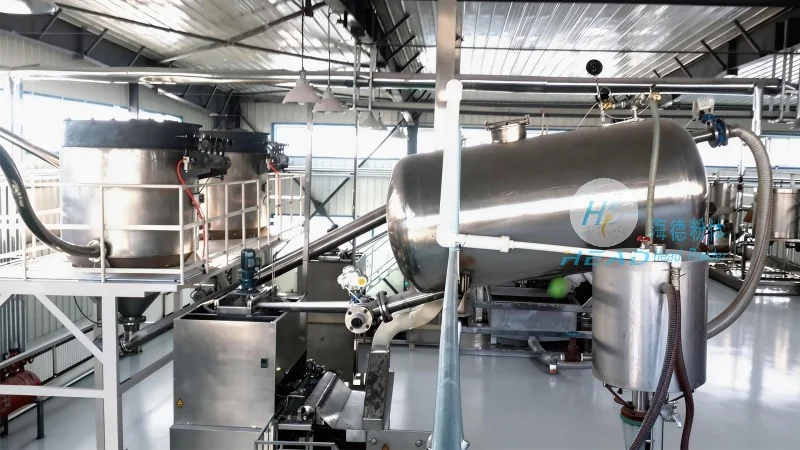
About Shandong HeadPowder Engineering Co., Ltd.
Shandong HeadPowder Engineering Co., Ltd., commonly known as HeadPowder, is a leading manufacturer and supplier of industrial material handling equipment. HeadPowder specializes in designing and manufacturing negative pressure vacuum systems tailored to the unique needs of various industries. With a strong focus on quality and innovation, HeadPowder has established itself as a trusted partner for companies seeking reliable and efficient material handling solutions. The company's headquarters is located in Shandong, China, where it operates a state-of-the-art manufacturing facility equipped with advanced technology and skilled personnel. HeadPowder's team of engineers and technicians work closely with clients to understand their material handling challenges and develop customized solutions that meet their specific requirements. The company adheres to strict quality control standards to ensure that all products are durable, efficient, and safe for use in industrial environments.
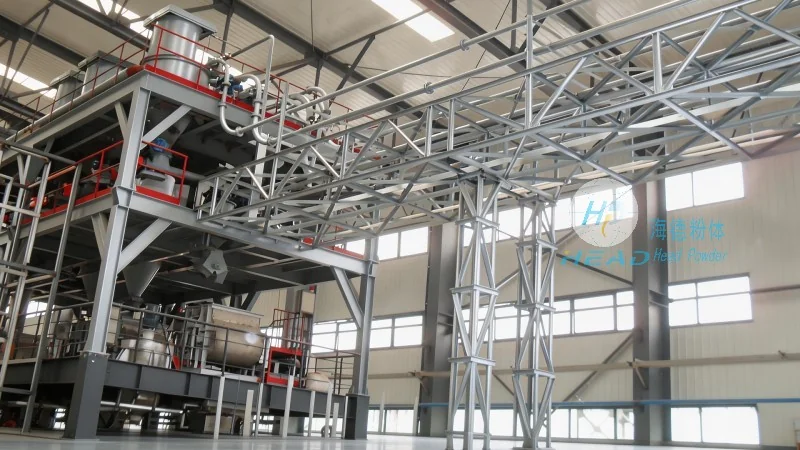
Applications and Benefits of Negative Pressure Vacuum Systems
Negative pressure vacuum material handling systems are versatile and can be applied in a wide range of industries. In the pharmaceutical industry, these systems are used to transport powders and granules with high purity requirements, ensuring that the materials remain free from contamination. In food processing, the systems are ideal for handling dry ingredients like flour, sugar, and spices, as they maintain the quality and freshness of the products. The chemical industry also benefits from negative pressure vacuum systems, which are used to transport powders and granules safely and efficiently, reducing the risk of dust explosions and improving workplace safety. The benefits of these systems include reduced air pollution, lower energy consumption compared to positive pressure systems, and enhanced safety for operators. Additionally, the systems are easy to install and maintain, making them a cost-effective solution for many industrial applications.