

What is an Unmanned Bulk Material Feeding and Conveying System? What are its Design Principles?
Understanding the unmanned bulk material feeding and conveying system is crucial for industries that rely on efficient and automated material handling processes. This system, often referred to as an automated bulk material feeding system, is designed to transport bulk materials from storage to processing or packaging areas without the need for manual intervention. The core of this technology lies in its ability to integrate seamlessly with various industrial applications, enhancing productivity and reducing operational costs.
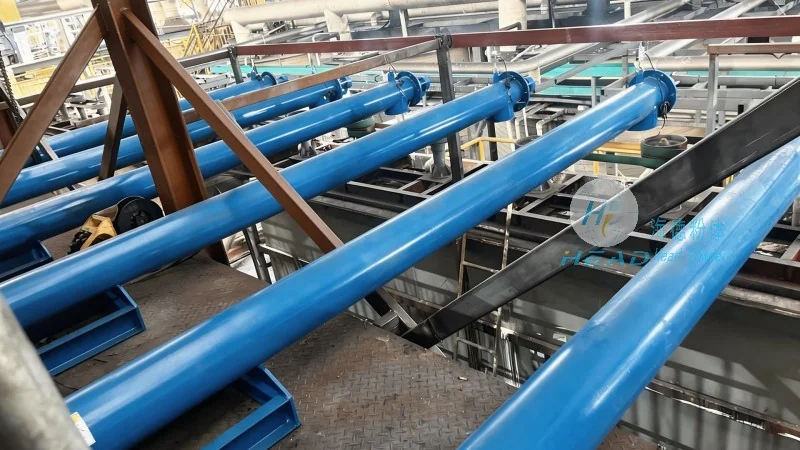
Overview of the Unmanned Bulk Material Feeding System
The unmanned bulk material feeding system is a sophisticated piece of equipment engineered to handle the movement of bulk materials such as powders, granules, and other particulate substances. It typically consists of components like hoppers, feeders, conveyors, and control systems that work in tandem to ensure smooth and continuous material flow. The system is designed to operate autonomously, with minimal human involvement, making it ideal for high-volume production environments where reliability and consistency are paramount.
Key Components and Their Functions
At the heart of the unmanned bulk material feeding system are several critical components that contribute to its functionality. The hopper serves as the primary storage container for bulk materials, providing a consistent feed to the feeder. The feeder, which can be a screw feeder, vibratory feeder, or other types, regulates the flow rate of the material into the conveyor system. The conveyor, often a belt or screw conveyor, transports the material from the feeder to the processing or packaging station. Additionally, the control system, which may include sensors, controllers, and automation software, monitors and adjusts the operation of the entire system to maintain optimal performance.
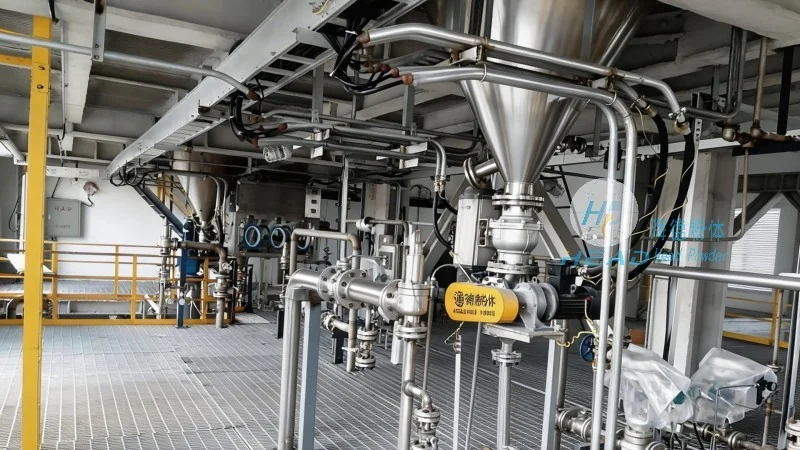
Design Principles for Efficient Operation
The design principles of an unmanned bulk material feeding system prioritize efficiency, reliability, and safety. One key principle is the integration of advanced sensors and control algorithms to ensure precise material flow control. This includes level sensors to monitor hopper contents, flow sensors to detect material movement, and pressure sensors to prevent blockages. Another principle is the use of durable and corrosion-resistant materials for components that come into contact with the bulk material, ensuring long-term performance and minimal maintenance. The system is also designed with safety features such as emergency stop buttons and protective enclosures to protect operators and prevent accidents.
Benefits of Implementing an Unmanned Bulk Material Feeding System
Adopting an unmanned bulk material feeding system offers numerous benefits to industrial operations. Firstly, it significantly enhances productivity by reducing downtime and increasing the speed of material handling. The automation of the process allows for continuous operation, even during non-working hours, maximizing production output. Secondly, it improves operational efficiency by minimizing human error and ensuring consistent material flow rates. This consistency is vital for maintaining product quality and reducing waste. Thirdly, the system reduces labor costs by eliminating the need for manual feeding and monitoring, freeing up human resources for more critical tasks. Finally, the system enhances safety in the workplace by minimizing human exposure to hazardous materials and reducing the risk of accidents associated with manual material handling.
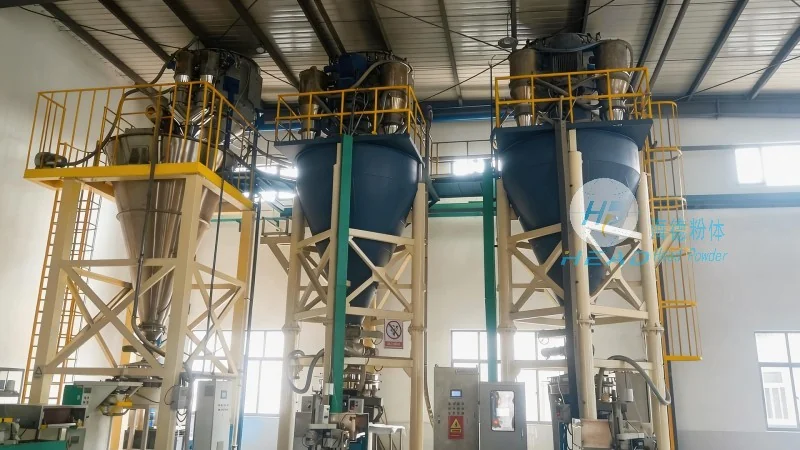
Application Scenarios and Industry Use Cases
The unmanned bulk material feeding system is widely used across various industries, including pharmaceuticals, food processing, chemical manufacturing, and mining. In the pharmaceutical industry, for example, it is used to handle sensitive powders and granules, ensuring contamination-free and precise dosing. In food processing, it is employed to transport ingredients like flour, sugar, and spices, maintaining hygiene standards and ensuring consistent product quality. In chemical manufacturing, it is used to handle hazardous materials, reducing the risk of exposure to operators and improving safety protocols. In mining, it is used to transport bulk materials such as ore and coal from storage to processing plants, enhancing the efficiency of the mining operation.
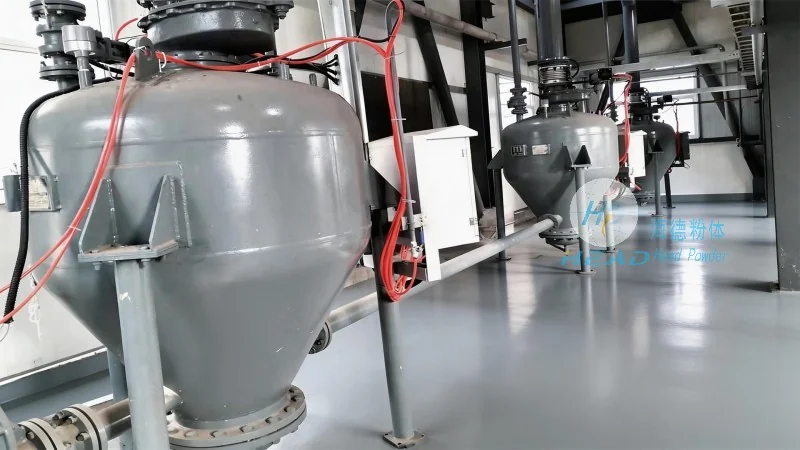
Customization and Integration with Existing Systems
Shandong HeadPowder Engineering Co., Ltd., a leading manufacturer of bulk material handling equipment, offers customized solutions tailored to the specific needs of each client. The company specializes in designing and manufacturing unmanned bulk material feeding systems that can be integrated with existing production lines or new facilities. Their team of engineers works closely with clients to understand their operational requirements and design a system that meets their specific needs. The company also provides comprehensive after-sales support, including maintenance, repair, and technical assistance, ensuring that the system operates at peak performance throughout its lifecycle.
Conclusion
In conclusion, the unmanned bulk material feeding system is a vital component of modern industrial operations, offering significant advantages in terms of efficiency, productivity, and safety. By understanding its design principles and key components, industries can make informed decisions about implementing this technology to enhance their operations. With the expertise of companies like Shandong HeadPowder Engineering Co., Ltd., businesses can access high-quality, customized solutions that meet their specific needs and contribute to their long-term success.