Coal powder material pneumatic conveying equipment is a critical industrial device used for the efficient transport of fine powders such as coal powder. This equipment, produced by Shandong HeadPowder Engineering Co., Ltd., a company based in Shandong, China, represents advanced technology in material handling. The following sections will detail the operation process and working principle of this equipment, providing a comprehensive understanding for users and potential clients.
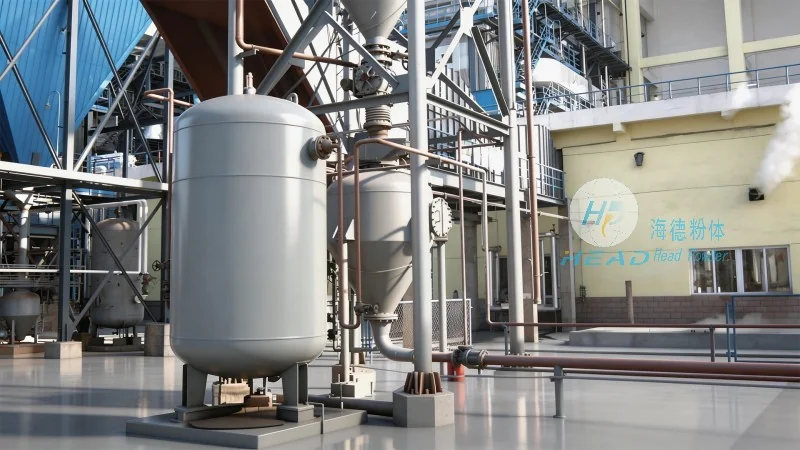
Overview of Coal Powder Pneumatic Conveying Equipment
Coal powder pneumatic conveying systems are designed to transport coal powder from one location to another using a combination of air flow and pressure. The equipment typically consists of several core components, including a hopper for material storage, a feeder to control the flow rate, a conveying line (often with bends and filters), and a receiver for the delivered material. The system operates by creating a pressure differential between the inlet and outlet, which propels the coal powder through the pipeline using air or gas. This method offers advantages such as non-contact material handling, reduced contamination, and the ability to transport materials over long distances without the need for mechanical components like belts or buckets.
Key Components and Their Functions
The performance of coal powder pneumatic conveying equipment depends on the proper functioning of its key components. The hopper serves as the primary storage vessel, holding the coal powder and ensuring a consistent supply to the feeder. The feeder, often a rotary valve or a screw feeder, regulates the amount of material entering the conveying line, preventing overloading and maintaining stable flow. The conveying line, made of materials like stainless steel or plastic, is designed to withstand the pressure and abrasion from the coal powder. It may include bends, elbows, and filters to direct the material and remove any entrained air or dust. The receiver, typically a hopper or a storage tank, collects the coal powder at the destination, completing the transport process.
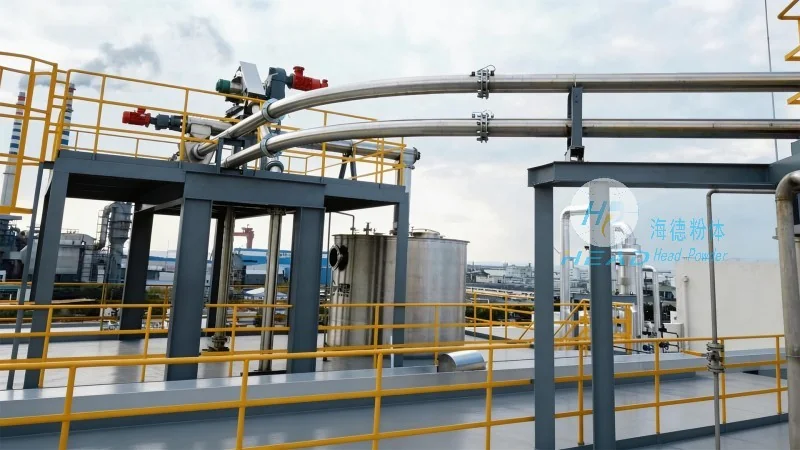
Operation Process of the Equipment
The operation process of coal powder pneumatic conveying equipment involves several sequential steps. First, the coal powder is loaded into the hopper from a storage silo or truck. The feeder then starts, controlling the flow rate to match the conveying capacity. Simultaneously, a blower or compressor generates the necessary air pressure to create a vacuum or positive pressure in the conveying line. As the air flows through the line, it lifts the coal powder particles and transports them to the receiver. The system may include a filter or cyclone to separate the powder from the air before it is discharged from the receiver. The entire process is automated, with sensors monitoring pressure, flow rate, and material level to ensure smooth operation and prevent issues like blockages or air leaks.
Working Principle Explained
The working principle of coal powder pneumatic conveying equipment is based on the physics of fluid dynamics and particle movement. In a typical system, the blower creates a pressure difference between the inlet and outlet of the conveying line. When the pressure at the inlet is lower than the outlet (vacuum system) or higher (positive pressure system), the air flows through the line, carrying the coal powder particles along with it. The velocity of the air is critical; it must be sufficient to overcome the gravitational force and the friction between the particles and the pipeline. The system may use different conveying modes, such as dilute phase (where particles are suspended in the air) or dense phase (where particles are more concentrated), depending on the material characteristics and distance to be covered. The choice of mode affects the equipment's efficiency, energy consumption, and material handling capacity.
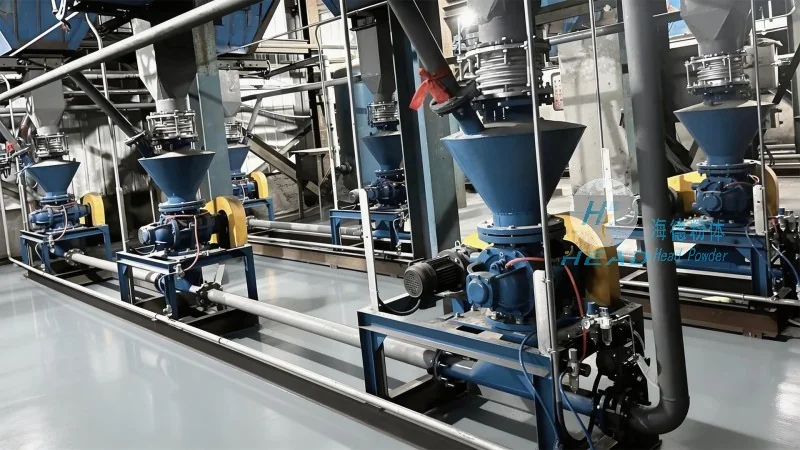
Advantages and Applications
Coal powder pneumatic conveying equipment offers several advantages over traditional mechanical transport methods. It provides a clean and hygienic transport process, as the material is not in direct contact with mechanical parts, reducing the risk of contamination. The system is also flexible, allowing for changes in transport routes and distances without major modifications. Additionally, it can handle a wide range of coal powder characteristics, including different particle sizes, moisture contents, and abrasiveness. These features make the equipment suitable for various applications, including power plants, coal processing facilities, and industrial plants that require the transport of coal powder over long distances or within complex layouts.
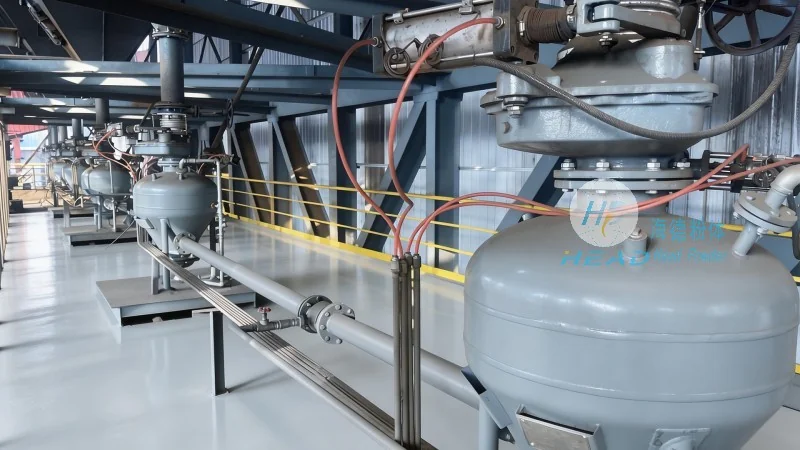
Maintenance and Operational Tips
Proper maintenance is essential to ensure the efficient and reliable operation of coal powder pneumatic conveying equipment. Regular inspection of components such as the hopper, feeder, and conveying line is necessary to check for wear, damage, or blockages. Filters and cyclones should be cleaned or replaced as needed to maintain air quality and prevent system inefficiencies. The blower or compressor should be checked for proper operation, including pressure and flow rate, to ensure adequate air supply. Additionally, monitoring the material flow rate and pressure in the system can help detect potential issues early, such as clogs or air leaks. By following these maintenance practices, users can maximize the equipment's lifespan and performance, ensuring consistent and reliable coal powder transport.
Conclusion
Coal powder material pneumatic conveying equipment, manufactured by Shandong HeadPowder Engineering Co., Ltd., is a sophisticated and efficient solution for transporting coal powder in industrial settings. Through its advanced design and operation, the equipment offers benefits such as non-contact handling, reduced contamination, and flexibility in transport routes. Understanding the operation process and working principle of this equipment is crucial for optimizing its performance and ensuring reliable material transport. As a leading manufacturer based in Shandong, China, HeadPowder provides high-quality equipment tailored to meet the specific needs of clients, supporting their material handling requirements with advanced technology and expertise.




