

Operation Process and Working Principle of Biomass Material Pneumatic Conveying Equipment
Biomass material pneumatic conveying equipment is a critical component in modern industrial processes, particularly in sectors dealing with renewable energy sources and sustainable material handling. This equipment efficiently transports biomass materials such as wood chips, sawdust, and agricultural residues from storage to processing units. The technology behind these systems combines the principles of fluid dynamics and mechanical engineering to achieve reliable, low-maintenance, and energy-efficient material transport. As the demand for biomass as a renewable energy source grows, the efficiency and reliability of pneumatic conveying systems become increasingly important for industrial applications.
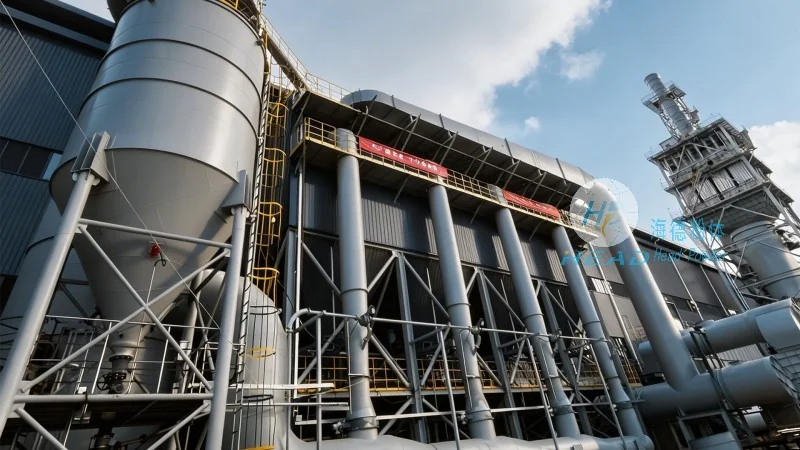
Key Components and Their Roles
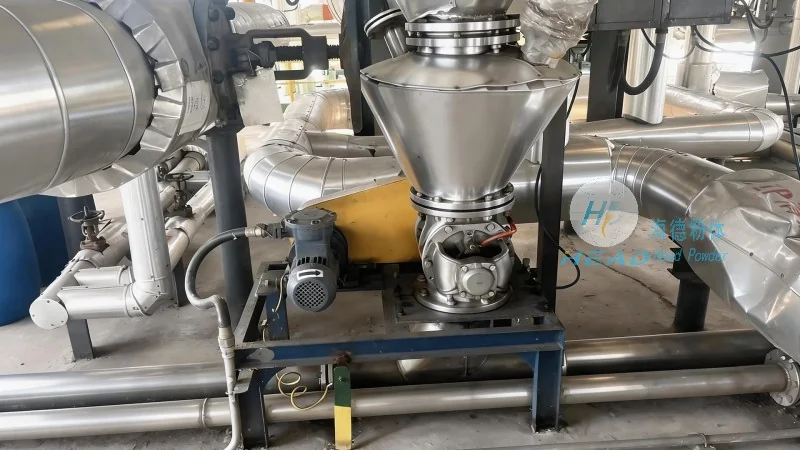
The operation of biomass material pneumatic conveying equipment relies on several key components that work in tandem to ensure smooth material transport. The primary components include the hopper, which stores the biomass material; the air compressor or blower, which generates the necessary airflow; the pipeline system, which conveys the material; and the discharge unit, which releases the material at the destination. Each component plays a crucial role in the overall system performance. The hopper is designed to feed the material into the system consistently, while the air compressor provides the pressure or vacuum required to move the material through the pipeline. The pipeline system, often made of stainless steel or other corrosion-resistant materials, ensures the material is transported without degradation. The discharge unit, such as a rotary valve or a venturi, controls the release of the material at the processing site.
Operation Process: Step-by-Step Explanation
The operation process of biomass material pneumatic conveying equipment involves several sequential steps that ensure the material is transported efficiently and safely. First, the biomass material is loaded into the hopper. The hopper is equipped with a feeder mechanism, such as a screw or a rotary valve, which regulates the flow of material into the system. Next, the air compressor or blower is activated, generating the required airflow. The airflow is directed into the pipeline, creating a pressure or vacuum that moves the material. The material is then carried by the air stream through the pipeline to the discharge point. At the discharge unit, the material is separated from the air and released into the processing equipment. The system continuously monitors the pressure and flow rates to maintain optimal performance. This process is typically automated, with sensors and control systems ensuring consistent operation and preventing issues such as blockages or air leaks.
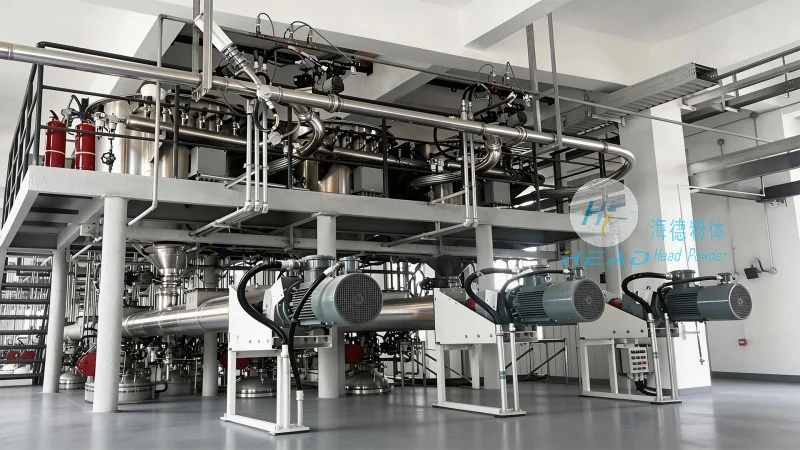
Working Principle: Fluid Dynamics and Material Transport
The working principle of biomass material pneumatic conveying equipment is based on the principles of fluid dynamics, specifically the behavior of particles in a fluid medium. When the air compressor generates airflow, it creates a pressure difference between the hopper and the discharge point. This pressure difference propels the biomass particles through the pipeline. The material is suspended in the air stream, moving with the flow. The velocity of the air and the size of the particles determine the conveying velocity and the pressure drop along the pipeline. The system is designed to maintain a balance between the air velocity and the particle size to ensure efficient transport without excessive energy consumption. The use of positive pressure or negative pressure (vacuum) systems depends on the application and the distance between the source and the destination. Positive pressure systems are commonly used for short to medium distances, while vacuum systems are suitable for longer distances or when the material needs to be transported from a lower elevation to a higher one.
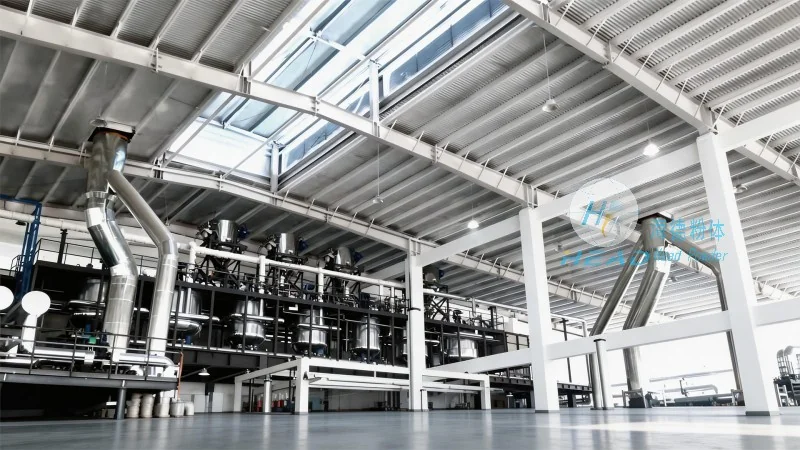
Advantages of Biomass Material Pneumatic Conveying Equipment
Biomass material pneumatic conveying equipment offers several advantages over traditional material handling methods. One of the primary benefits is the ability to transport materials in a closed system, which reduces dust emissions and improves safety. This is particularly important for biomass materials, which can be dusty and pose health risks. The closed system also prevents contamination from external sources, ensuring the material remains clean and suitable for processing. Another advantage is the high efficiency and low maintenance requirements. Pneumatic conveying systems can transport materials over long distances with minimal energy loss, and the components are designed for durability and ease of maintenance. The system also allows for flexible routing, as the pipeline can be easily reconfigured to accommodate changes in the production process. Additionally, the equipment can handle a wide range of material types and sizes, making it versatile for various industrial applications.
Applications in Renewable Energy and Industrial Processing
Biomass material pneumatic conveying equipment is widely used in the renewable energy sector, particularly in biomass power plants and biogas facilities. These plants require large quantities of biomass materials to be transported from storage to the combustion or gasification units. The equipment ensures that the material is delivered efficiently and consistently, supporting the generation of renewable energy. In industrial processing, the equipment is used in sawmills, paper mills, and agricultural processing facilities to transport raw materials to processing units. The consistent and reliable transport of biomass materials enhances the overall productivity of these facilities. The equipment also plays a role in waste management, where biomass waste from various sources is collected and transported to processing sites for energy recovery or recycling.
About Shandong HeadPowder Engineering Co., Ltd.
Shandong HeadPowder Engineering Co., Ltd., operating under the brand name headpowder, is a leading manufacturer of biomass material pneumatic conveying equipment. The company specializes in designing and manufacturing high-quality, reliable, and energy-efficient conveying systems tailored to the needs of the biomass industry. With a focus on innovation and customer satisfaction, headpowder has established itself as a trusted partner for businesses in the renewable energy and industrial processing sectors. The company's headquarters is located in Shandong, China, where it has a state-of-the-art manufacturing facility and a team of experienced engineers and technicians. headpowder's products are known for their durability, efficiency, and compliance with industry standards. The company provides comprehensive support, including design, installation, and maintenance services, to ensure that clients can maximize the performance of their conveying systems. With a commitment to sustainability and technological advancement, headpowder continues to develop new solutions to meet the evolving needs of the biomass industry.