

Operation Process and Working Principle of Air-Driven Conveying Equipment for ABS Granular Materials
For industries dealing with ABS granular materials, efficient material handling is crucial for maintaining production efficiency and product quality. Air-driven conveying equipment, such as those offered by Shandong HeadPowder Engineering Co., Ltd., provides a reliable solution for transporting these materials from one location to another within a manufacturing facility. This article explores the operation process and working principle of such equipment, detailing how it ensures smooth and consistent material flow.
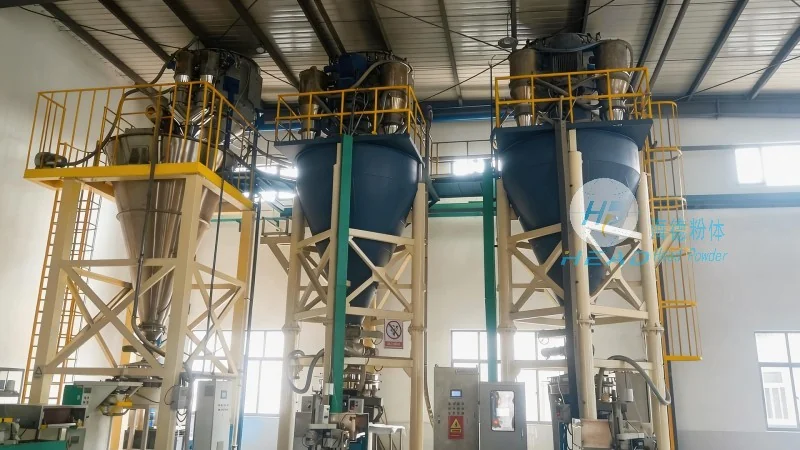
Overview of Air-Driven Conveying Systems
Before delving into the specifics of ABS granular material handling, it's essential to understand the general structure of air-driven conveying systems. These systems typically consist of a hopper for material storage, a feeder to control the flow rate, a conveying line (often made of metal or plastic pipes), a fan or blower to generate the air flow, and a receiver or discharge point where the material is deposited. The design of the system is tailored to the characteristics of the material being transported, including particle size, density, and moisture content. For ABS granules, which are commonly used in plastic manufacturing, the system must be capable of handling fine to medium-sized particles without causing blockages or degradation.
The Operation Process of ABS Granular Material Conveying
The operation process of an air-driven conveying system for ABS granules begins with the loading of the material into the hopper. The hopper is designed to hold a sufficient quantity of material to ensure continuous operation, minimizing downtime caused by frequent refills. Once the material is in the hopper, a feeder, often a rotary valve or a screw feeder, regulates the flow of granules into the conveying line. The feeder is critical as it controls the rate at which material enters the system, preventing overloading of the conveying line and ensuring a steady flow.
As the granules enter the conveying line, the fan or blower generates a high-velocity air stream. This air stream, typically at a pressure of 0.5 to 2 bar depending on the system design, propels the granules through the pipes. The combination of air velocity and particle size determines the conveying velocity, which is optimized to maintain the material in a suspended state without causing excessive wear on the equipment. The conveying line may include bends, expansions, or reductions, all of which are designed to minimize pressure loss and maintain the air flow efficiency. The length and layout of the conveying line are carefully planned to match the spatial constraints of the production facility, ensuring that the material can be transported from the source to the destination without unnecessary complexity.
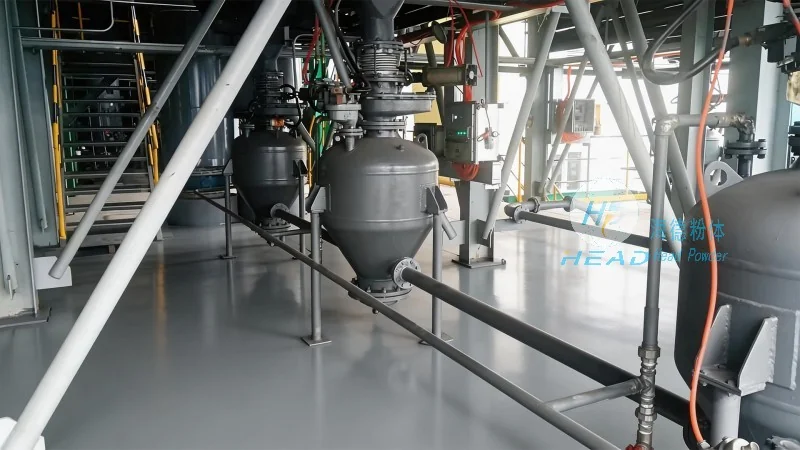
Upon reaching the discharge point, the material is deposited into a receiver or a storage bin. The receiver is equipped with a vent or a filter to remove any excess air and prevent dust from escaping into the environment. The discharge point may also include a rotary valve or a gate valve to control the flow of material out of the system, allowing for precise control over the final destination of the ABS granules. The entire operation process is automated, with sensors and control systems monitoring the flow rate, pressure, and temperature to ensure that the system operates within safe and efficient parameters.
Working Principle of Air-Driven Conveying for ABS Granules
The working principle of air-driven conveying for ABS granules is based on the fundamental concept of fluidization and suspension. When air is introduced into the conveying line at a sufficient velocity, it creates a fluidized bed of granules, where the particles are suspended in the air stream rather than resting on the bottom of the pipe. This suspension allows the material to be transported through the system with minimal friction and wear. The key components of the system, such as the fan, feeder, and conveying line, work in concert to achieve this fluidization and maintain the material in a suspended state throughout the conveying process.
The fan or blower is the primary source of energy for the system, providing the necessary pressure and velocity to move the air and the granules. The type of fan used depends on the system's requirements, with centrifugal fans being common for high-volume applications and positive displacement blowers for low-volume or high-pressure applications. The fan's output is regulated by a control system to maintain a consistent pressure and flow rate, which is critical for ensuring the material is conveyed at the desired velocity.
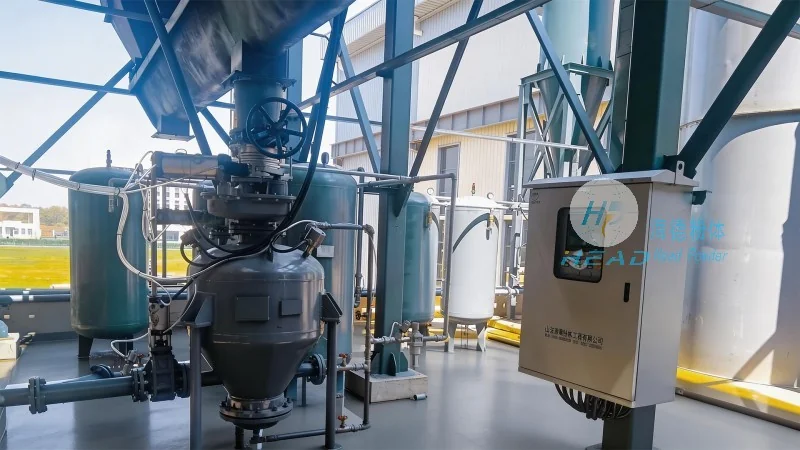
The feeder plays a crucial role in the working principle by controlling the rate at which granules enter the system. If the feeder is not properly regulated, it can lead to overloading of the conveying line, causing blockages or increased pressure. Conversely, if the feeder is too slow, the system may not be able to maintain the material in a suspended state, leading to material settling in the pipes. The feeder's design, such as a rotary valve with adjustable speed or a screw feeder with variable speed, allows for precise control over the material flow rate, ensuring optimal system performance.
The conveying line itself is designed to minimize pressure loss and maintain the air flow efficiency. The material of the pipe, typically stainless steel or PVC, is chosen based on the material's chemical properties and the system's operating conditions. For ABS granules, which are non-corrosive and have a relatively low abrasiveness, stainless steel is often preferred due to its durability and resistance to wear. The pipe diameter is selected to balance the conveying velocity and the pressure drop, with larger diameters reducing the velocity and pressure loss, while smaller diameters increase the velocity and pressure drop. The bends and fittings in the line are designed with smooth transitions to minimize turbulence and pressure loss, ensuring that the air and material flow smoothly through the system.
Key Considerations for ABS Granular Material Handling
When implementing an air-driven conveying system for ABS granules, several factors must be considered to ensure optimal performance and longevity of the equipment. First, the material's properties, such as particle size distribution, density, and moisture content, must be carefully evaluated. These properties affect the system's design, including the feeder type, fan size, and pipe diameter. For example, finer particles may require a higher air velocity to maintain suspension, while larger particles may need a larger pipe diameter to prevent blockages.
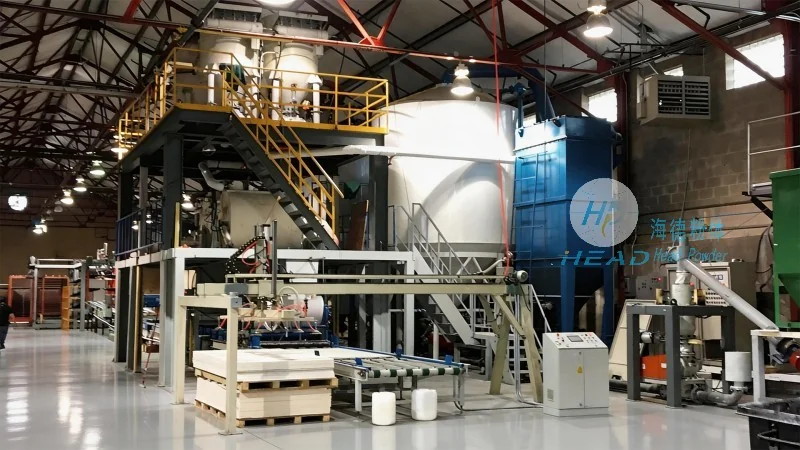
Second, the system's layout and the distance between the loading and discharge points must be optimized to minimize energy consumption and pressure loss. The use of vertical or horizontal conveying lines, as well as the number of bends and fittings, can significantly impact the system's efficiency. Vertical conveying lines are more energy-efficient for short vertical distances, while horizontal lines are better for longer horizontal distances. The use of straight pipes with minimal bends reduces pressure loss, allowing the system to operate with lower fan power.
Third, the system's control and monitoring capabilities are essential for maintaining consistent performance. Sensors, such as pressure transducers, flow meters, and level sensors, provide real-time data on the system's operation, allowing operators to detect and address issues promptly. The control system, often a programmable logic controller (PLC), adjusts the fan speed, feeder speed, and other parameters to maintain the desired flow rate and pressure, ensuring that the system operates within safe and efficient limits.
Finally, regular maintenance and cleaning are critical to prevent blockages and ensure the longevity of the equipment. The hopper, feeder, and conveying line should be cleaned regularly to remove accumulated material and prevent the buildup of dust or debris. The fan and motor should be inspected and maintained to ensure they operate at optimal efficiency. By following these considerations, manufacturers can ensure that their air-driven conveying system for ABS granules operates reliably and efficiently, supporting their production processes and maintaining product quality.