

Principle and Working Scene Characteristics of Electric Lime Powder Pneumatic Conveying System
Electric lime powder pneumatic conveying systems are critical in industrial processes that require the efficient and safe transportation of bulk materials, particularly in applications involving electric lime. This article explores the fundamental principles behind such systems and highlights the key characteristics of their operational scenarios, providing insights into how these technologies enhance material handling efficiency across various industrial sectors.
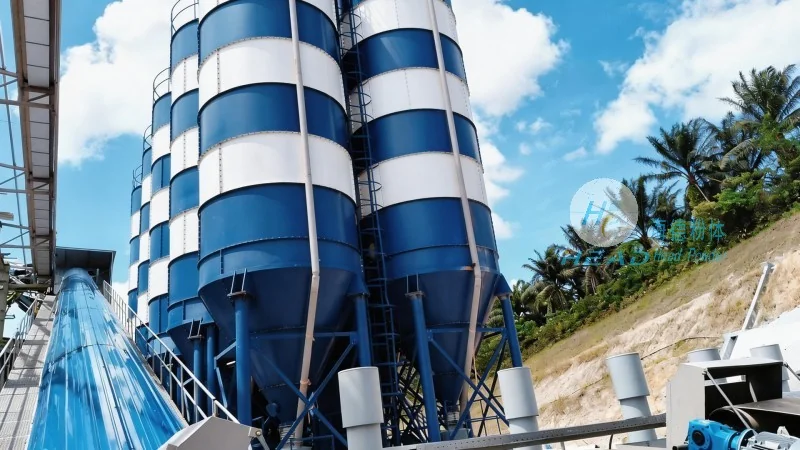
Overview of Electric Lime Powder Pneumatic Conveying Systems
Electric lime, also known as quicklime or calcium oxide, is a widely used chemical in industries such as construction, metallurgy, and environmental treatment. Its handling and transportation pose unique challenges due to its fine particle size, reactivity, and potential for dust generation. Pneumatic conveying systems offer a solution by utilizing air to transport electric lime powder from one location to another, eliminating the need for traditional mechanical conveyors that may cause material degradation or contamination. The systems are designed to maintain the quality of the electric lime while ensuring safe and efficient operation.
The Core Principle of Pneumatic Conveying
The principle of pneumatic conveying for electric lime powder relies on the use of compressed air to create a flow that moves the material through a pipeline. There are two main types of pneumatic conveying systems: dilute-phase and dense-phase. Dilute-phase systems use low air velocities to transport material in a dispersed state, while dense-phase systems use higher air velocities and lower flow rates to move material in a more concentrated state. For electric lime powder, the choice of system depends on factors such as the material's characteristics, the distance to be conveyed, and the required flow rate. The system typically includes a hopper for material storage, a feeder to control the flow rate, a compressor to generate the air pressure, and a pipeline network to transport the material. The electric lime powder is introduced into the system at the hopper, where it is mixed with the compressed air and then conveyed through the pipeline to the destination point, such as a storage silo or a processing unit.
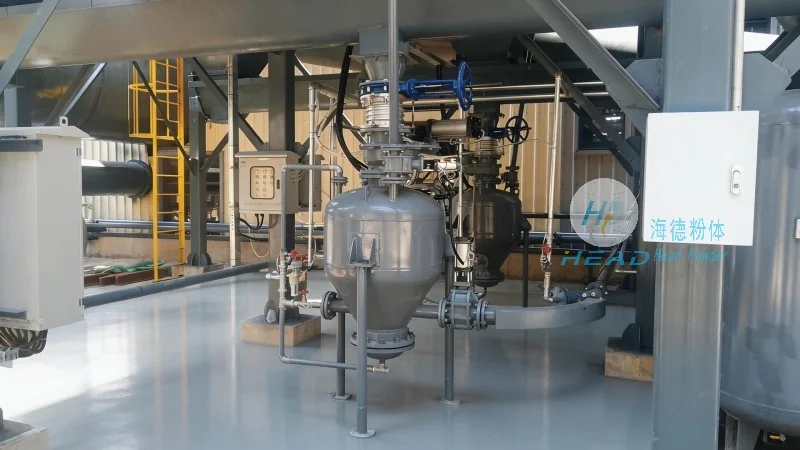
Key Components and Their Functions
Several key components work together to ensure the smooth operation of an electric lime powder pneumatic conveying system. The hopper serves as the storage vessel, providing a controlled environment for the electric lime powder. It is equipped with a discharge valve that allows the material to be released into the feeder. The feeder, often a rotary valve or a screw feeder, regulates the flow rate of the electric lime powder into the system, ensuring a consistent and controlled feed. The compressor is the heart of the system, generating the necessary air pressure to move the material through the pipeline. It is typically a positive displacement compressor, such as a rotary screw or a reciprocating compressor, which provides the required air volume and pressure. The pipeline network consists of pipes of varying diameters, connected by elbows, tees, and other fittings, designed to guide the material from the hopper to the destination. The system may also include a filter or a cyclone separator at the receiving end to separate the electric lime powder from the air, preventing dust contamination and ensuring the material is collected in a clean state.
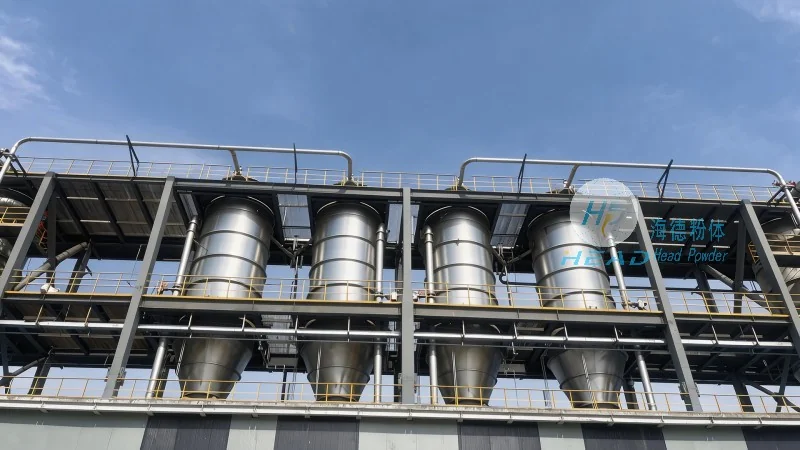
Working Scene Characteristics: Applications and Benefits
The operational scenarios of electric lime powder pneumatic conveying systems vary widely across different industries, each with its own specific requirements and benefits. In the construction industry, for example, electric lime is used as a component in cement production and as a stabilizer in soil treatment. Pneumatic conveying systems are used to transport the electric lime from storage silos to the production lines, ensuring a continuous and efficient supply. The systems are particularly advantageous in this sector because they can handle large volumes of material with minimal labor, reducing the risk of dust exposure and improving overall safety. In the metallurgical industry, electric lime is used in steelmaking processes to adjust the chemical composition of the steel. The pneumatic conveying systems are used to transport the electric lime from storage to the blast furnace or other processing units, where it is added to the molten metal. The systems provide a clean and controlled method of adding the material, ensuring consistent quality in the final product. In the environmental treatment industry, electric lime is used for neutralizing acidic waste and for water treatment processes. The pneumatic conveying systems are used to transport the electric lime to the treatment facilities, where it is mixed with the waste or water to achieve the desired pH level. The systems are beneficial in this sector because they can handle the material in a dust-free environment, reducing the risk of environmental contamination and improving the efficiency of the treatment process.
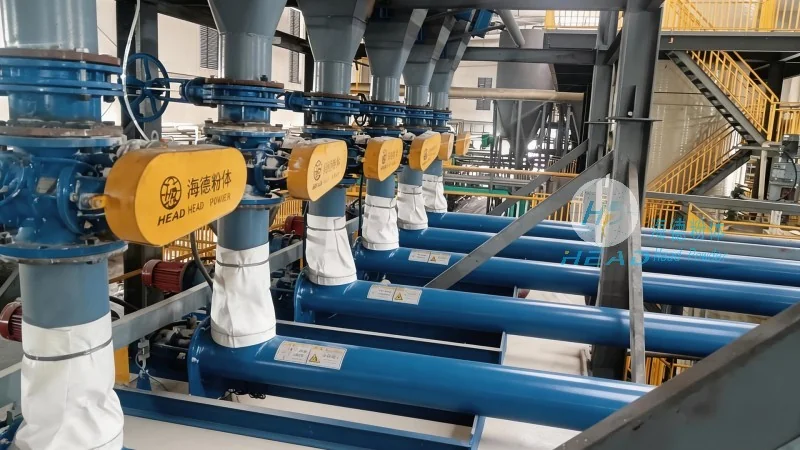
Advantages of Electric Lime Powder Pneumatic Conveying Systems
Electric lime powder pneumatic conveying systems offer several advantages over traditional mechanical conveyors. One of the primary advantages is the ability to handle fine and reactive materials like electric lime without causing degradation or contamination. The systems are also highly efficient in terms of material transport, as they can move large volumes of material over long distances with minimal energy consumption. Additionally, the systems are designed to be safe and reliable, with features such as dust suppression and emergency shut-off valves to prevent accidents. The systems are also flexible, as they can be easily modified to accommodate changes in material flow rates or to add new destinations to the pipeline network. Another advantage is the reduced labor requirements, as the systems can operate continuously without the need for manual intervention. This not only improves efficiency but also reduces the risk of workplace injuries. Finally, the systems are environmentally friendly, as they minimize dust emissions and prevent material spillage, contributing to a cleaner and safer working environment.
Conclusion
Electric lime powder pneumatic conveying systems are essential technologies in industries that rely on the efficient and safe handling of bulk materials. The systems operate based on the principle of using compressed air to transport the material through a pipeline, with key components such as hoppers, feeders, compressors, and pipelines working together to ensure smooth operation. The operational scenarios of these systems vary across different industries, including construction, metallurgy, and environmental treatment, each benefiting from the systems' ability to handle fine and reactive materials with minimal degradation and contamination. The advantages of these systems, such as efficiency, safety, flexibility, and environmental friendliness, make them a preferred choice for industrial applications. As industries continue to demand higher efficiency and safety in material handling, electric lime powder pneumatic conveying systems will remain a critical component in modern industrial processes.